Federal Panel Recommends Easing Restrictions on Unapproved Injectable Peptides
A panel of federal health advisers has narrowly recommended that the government permit compounding pharmacies to prepare several popular injectable peptides, overriding strong objections from career scientists who warned of severe safety and clinical data gaps.
In a series of 8-6 votes with one abstention, the panel advised adding synthetic compounds including BPC-157, TB-500, and KPV to the federal list of bulk drug substances considered safe for pharmacy compounding. If accepted, the decision could allow telehealth companies and wellness clinics to rapidly expand the commercial distribution of these unapproved chemicals.
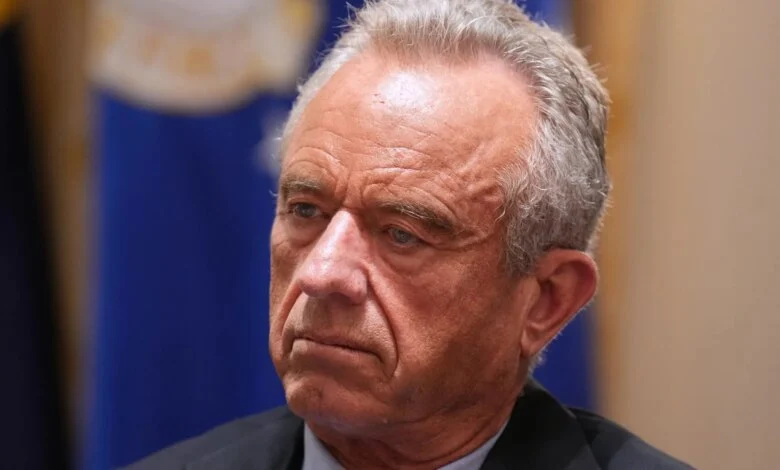
While the advisory panel’s vote is non-binding, the outcome provides political momentum for Health Secretary Robert F. Kennedy Jr., a vocal supporter of alternative medicine who vowed to overturn restrictions put in place under the Biden administration. Prior to the panel’s two-day meeting, federal officials added more than a half-dozen industry-connected members to the committee, including practicing pharmacists, doctors, and commercial consultants operating in the peptide industry.
The voting highlighted a sharp division between industry advocates and academic researchers. David Pope, chief pharmacy officer at Xifin Pharmacy Solutions, argued after voting in favor of BPC-157 that the measure rightfully restores decision-making authority to “the patient, the physician and the pharmacist.”
In contrast, academic scientists on the board voiced deep skepticism over the lack of rigorous testing. Dr. Elizabeth Rebello of the University of Texas MD Anderson Cancer Center cautioned during deliberations: “I’m concerned we’re responding to a market-induced demand rather than a decision based in solid science.”
Safety reviews presented by staff scientists at the Food and Drug Administration revealed a near-total absence of human clinical data supporting proposed uses, such as treating ulcerative colitis, wound healing, or opioid addiction. Agency evaluators noted that available research on BPC-157 consists primarily of small, exploratory animal studies, while TB-500 lacks published human safety trials entirely.
Regulators also pointed to legal uncertainties surrounding the substances. Russell Wesdyk, an associate director within the agency’s drug center, pointed out that names like TB-500 hold no official pharmaceutical standard or legal definition under United States drug regulations, making chemical composition unpredictable across suppliers.
Biologically, peptides are short chains of amino acids that serve as cellular signaling molecules, involved in processes ranging from metabolic function to tissue regeneration. While commercial pharmaceutical companies have developed regulated peptide medications—such as insulin and modern GLP-1 therapies for diabetes and obesity—unapproved research peptides promoted online operate outside formal approval channels, frequently sold in multi-chemical combinations known as “stacks.”
Patient safety advocates warned that lifting compounding restrictions creates substantial public health risks. Rita Jew, a pharmacist and president of the Institute for Safe Medication Practices, cautioned that few unapproved substances are injected directly by consumers with so little evidence, warning of potential contamination, adverse allergic reactions, and severe infections.
In 2023, federal regulators classified BPC-157 and TB-500 as high-risk bulk substances unsuitable for compounding. However, public testimony during the hearing highlighted strong consumer demand. Brigham Buhler, owner of a high-profile wellness clinic whose clients include podcaster Joe Rogan, argued during public comments that allowing domestic compounding provides a safer alternative to unverified products imported from overseas.
The advisory committee is scheduled to consider three additional peptide compounds before concluding its session. Following the meetings, federal regulators will review the panel’s recommendations. Legal analysts, including FDA specialist Nathan Beaver, expect the agency may ultimately adopt an informal enforcement discretion policy, signaling to compounders that they will not face regulatory enforcement while long-term rules are evaluated.