US Launches 10th Night of Airstrikes on Iran as Red Sea Shipping Crisis Deepens
Washington targets strategic military sites as Houthi rebels announce a maritime blockade against Saudi Arabia, threatening global energy corridors.
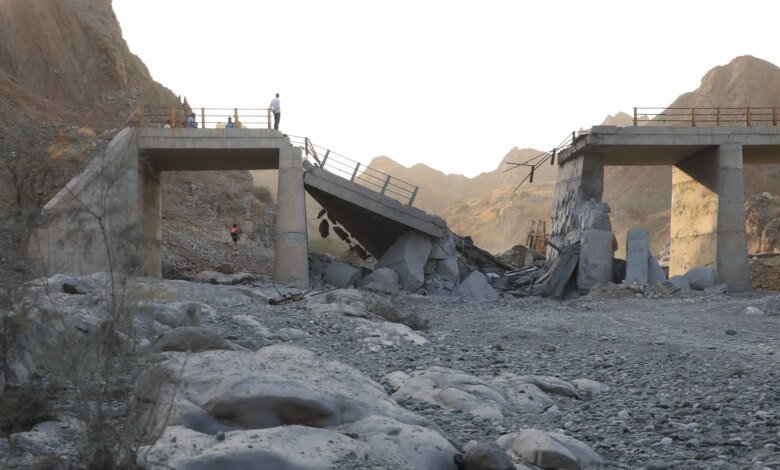
The United States military has conducted its tenth consecutive night of airstrikes against military targets inside Iran, escalating a direct confrontation that threatens to plunge the Middle East into a broader war. The ongoing aerial campaign, directed by U.S. Central Command, is aimed at degrading Iranian military capabilities and forcing the reopening of the Strait of Hormuz, a critical global energy corridor that has been effectively shut down by the hostilities.
The latest round of bombardments follows the death of another American service member, bringing the total number of U.S. military fatalities to 17 since the outbreak of open conflict on February 28. In response, President Donald Trump warned that Iran would pay heavily for targeting American personnel. The president is scheduled to attend a dignified transfer ceremony at Dover Air Force Base to honor the fallen.
According to American defense officials, the latest airstrikes targeted command centers, air defense installations, coastal surveillance systems, and drone launch facilities. Iranian state media reported that the strikes hit several locations, including areas near Tabriz—a northwestern city believed to house underground missile bases run by the Islamic Revolutionary Guard Corps—as well as the port cities of Bandar Imam Khomeini, Sirik, Jask, Konarak, and Chahbahar. Tehran claims the recent American strikes have killed at least 50 people and wounded 517 others.
The conflict has rapidly spilled across the region. Iran recently launched missile and drone attacks targeting U.S. allies, including Jordan, Kuwait, and Bahrain. Jordanian armed forces confirmed they intercepted three Iranian missiles, while Kuwaiti air defenses engaged an incoming barrage. Bahrain condemned drone strikes targeting its air traffic control systems. Meanwhile, commercial shipping in the region faces severe disruption. The United Kingdom Maritime Trade Operations reported that two commercial vessels were recently attacked near the Strait of Hormuz, with one catching fire off the coast of Oman.
A dangerous new dimension to the conflict emerged on Monday when Yemen’s Houthi rebels announced a maritime embargo against Saudi Arabia. The Iran-backed group declared they would block shipping between the Red Sea and the Gulf of Aden, citing a recent attack on Sanaa International Airport which they blamed on Riyadh.
This embargo directly threatens Saudi Arabia’s primary alternative oil export route. With the Strait of Hormuz blocked, Riyadh has relied heavily on its East-West pipeline to transport crude to Red Sea ports. Historically, the Houthis have demonstrated a significant capacity to disrupt maritime trade, having previously targeted over 100 vessels in the Red Sea during the Israel-Hamas war.
The chokehold on these vital shipping lanes has sent shockwaves through global energy markets. Benchmark Brent crude rose above $88 a barrel on Monday, while average retail gasoline prices in the United States climbed to $4 a gallon, intensifying economic pressure ahead of the upcoming midterm elections. Approximately one-fifth of the world’s petroleum liquids pass through the Strait of Hormuz under normal conditions, making its closure a severe threat to global economic stability.
Amid the military escalation, a fragile diplomatic channel remains active in South Asia. Pakistan has stepped forward to mediate, attempting to revive a short-lived interim ceasefire signed last month that collapsed after both sides resumed strikes. Iranian Interior Minister Eskandar Momeni arrived in Islamabad for high-level talks with Pakistani Prime Minister Shehbaz Sharif and Interior Minister Mohsin Naqvi, who expressed cautious optimism about a diplomatic breakthrough.
However, Washington remains skeptical. U.S. Secretary of State Marco Rubio stated that while the United States remains open to diplomatic engagement, any negotiations must be substantive and reflect a genuine shift in Tehran’s behavior, noting that the current environment does not yet support a diplomatic resolution.