Binance.US Targets Market Share Recovery After Two-Year Hibernation, CEO Says
CEO Stephen Gregory outlines plans to reclaim 20% market share by slashing fees and targeting rivals Coinbase and Kraken.
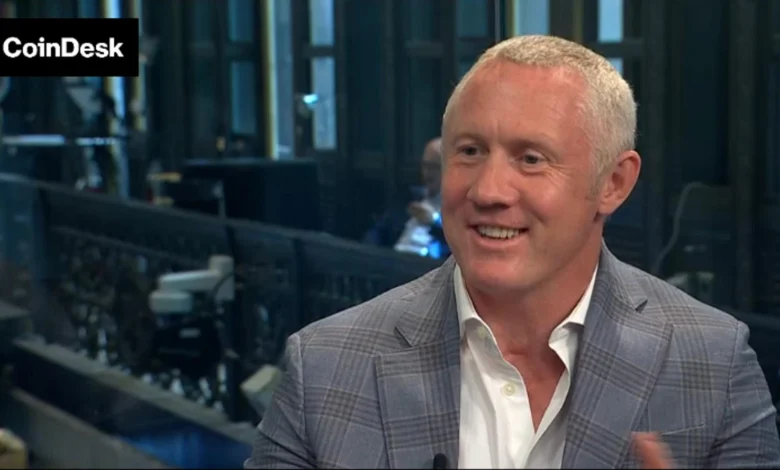
Binance.US is launching a growth push to reclaim its position in the American cryptocurrency market following a two-year “hibernation” caused by regulatory challenges associated with the global Binance brand, according to chief executive officer Stephen Gregory.
The trading platform is aiming to return to its historical high of capturing approximately 20% of the U.S. crypto exchange market. To achieve this, Gregory stated that Binance.US is positioning itself to compete directly with established rivals like Coinbase and Kraken by leveraging a low-fee model and an expanded product suite.
The exchange has restructured its pricing to become “essentially almost a no-fee exchange,” Gregory said. Under the new structure, the platform offers 0% maker fees and 2-basis-point taker fees. To sustain operations under this aggressive pricing model, the company maintains a lean team to keep overhead low. Gregory noted that the firm expects to generate future revenue from secondary services, such as custody, alongside its core trading operations.
Governance and Structure
Addressing the relationship with the global platform Binance.com, Gregory emphasized that Binance.US operates as a separate, U.S.-only entity. While the domestic platform shares a common beneficial owner and brand name with Binance.com, it maintains its own independent governance structure. Binance.US is now licensed exclusively to serve customers within the United States.
To rebuild liquidity, the exchange is implementing targeted incentives and conducting direct outreach to retail traders. Gregory said he has personally contacted some of the platform’s top users to gather feedback and support the recovery effort.
Market Context and Fee Structures
The U.S. cryptocurrency exchange market is highly competitive, dominated by platforms that must navigate a complex web of state and federal regulations. Coinbase, which went public in 2021, and Kraken are among the largest platforms operating in the country, serving both retail and institutional clients.
In cryptocurrency trading, transaction costs are typically divided into maker fees and taker fees. Maker fees are charged when a trader adds liquidity to the order book by placing a limit order that is not immediately matched. Taker fees are applied when a trader removes liquidity by executing an order that matches immediately with an existing order on the book. Lowering these fees is a common strategy used by platforms to attract high-volume traders and market makers, which in turn helps deepen liquidity and reduce price slippage for all users.