Bitcoin Slumps Toward Yearly Lows as Institutional Outflows and Corporate Sales Erase Gains
A record 13-day streak of ETF outflows and a symbolic sale by MicroStrategy have pushed Bitcoin toward its yearly lows.

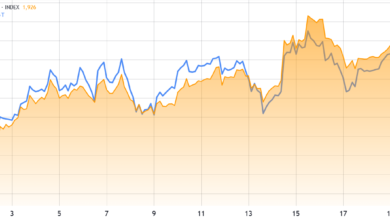
Bitcoin struggled to maintain the $63,000 level on Thursday, hovering near its 2026 lows as a sustained exodus from spot exchange-traded funds (ETFs) and a symbolic shift in corporate holding strategies outweighed tentative signs of geopolitical de-escalation.
The digital asset has declined 13% over the last seven days, according to market data, bringing it within striking distance of the $60,000 floor established in February. The current valuation represents a 50% retracement from its all-time high of $126,000.
Market sentiment has been primarily dampened by a record 13-day streak of capital outflows from U.S.-based spot Bitcoin ETFs. This represents the longest period of sustained withdrawals since the instruments were launched in January 2024. The persistent redemptions have forced fund managers to liquidate underlying holdings, creating a consistent source of sell-side pressure that has neutralized recent buyers.
Adding to the narrative shift, MicroStrategy—the world’s largest corporate holder of the cryptocurrency—disclosed the sale of 32 BTC for approximately $2.5 million between May 26 and May 31. While the transaction represents just 0.0037% of the firm’s total treasury, analysts noted the psychological impact on the market. The move by Michael Saylor’s firm, previously regarded as a “permanent holder,” has signaled to some investors that even the most bullish institutional players may be adjusting their positions.
These internal market dynamics have proven more influential than recent diplomatic developments. Despite a ceasefire agreement between Israel and Lebanon on June 3, and suggestions from the Trump administration regarding potential negotiations with Iran, the broader economic outlook remains clouded by the continued closure of the Strait of Hormuz.
The maritime passage, a critical artery for 20% of global oil and liquefied natural gas, has seen traffic severely disrupted for three months. This bottleneck continues to fuel global inflation concerns and reduces the likelihood of near-term interest rate cuts by central banks. As a result, capital has continued to rotate out of high-risk assets like Bitcoin in favor of more stable instruments.
Technical analysts suggest that if the $60,000 support level fails to hold, the next major price floor for the asset could sit between $40,000 and $45,000. For now, the market remains focused on whether institutional flows will stabilize or if the current liquidation cycle has further to run.