Dodger Stadium’s Hillsides Become a Living Garden
Inside the drought-resistant landscape and historic gardens surrounding Dodger Stadium
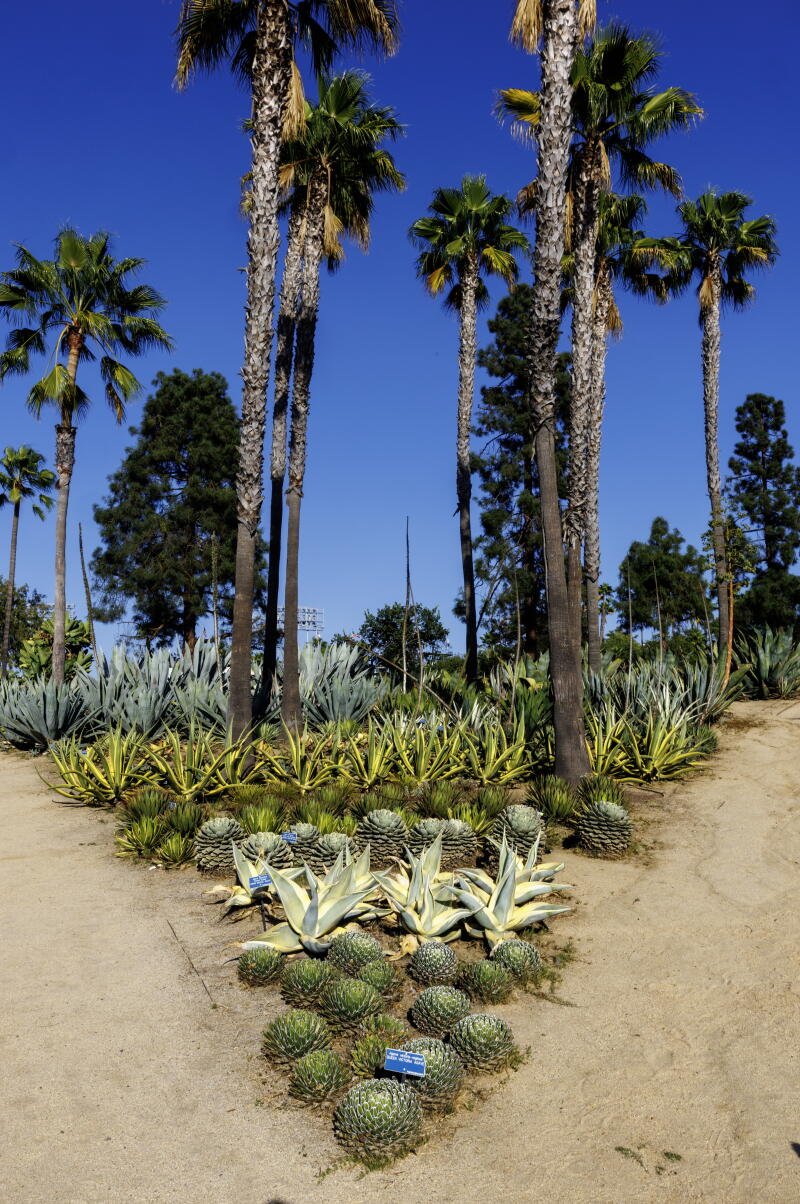
Dodger Stadium’s 300 acres in Los Angeles’ Chavez Ravine are undergoing an ecological conversion and historic restoration effort across one of Major League Baseball’s largest stadium footprints. The 56,000-seat venue opened on April 10, 1962, with landscaping shaped by mid-century Southern California horticultural trends, including broad turf lawns, ornamental shrubbery, and water-intensive seasonal flower beds.
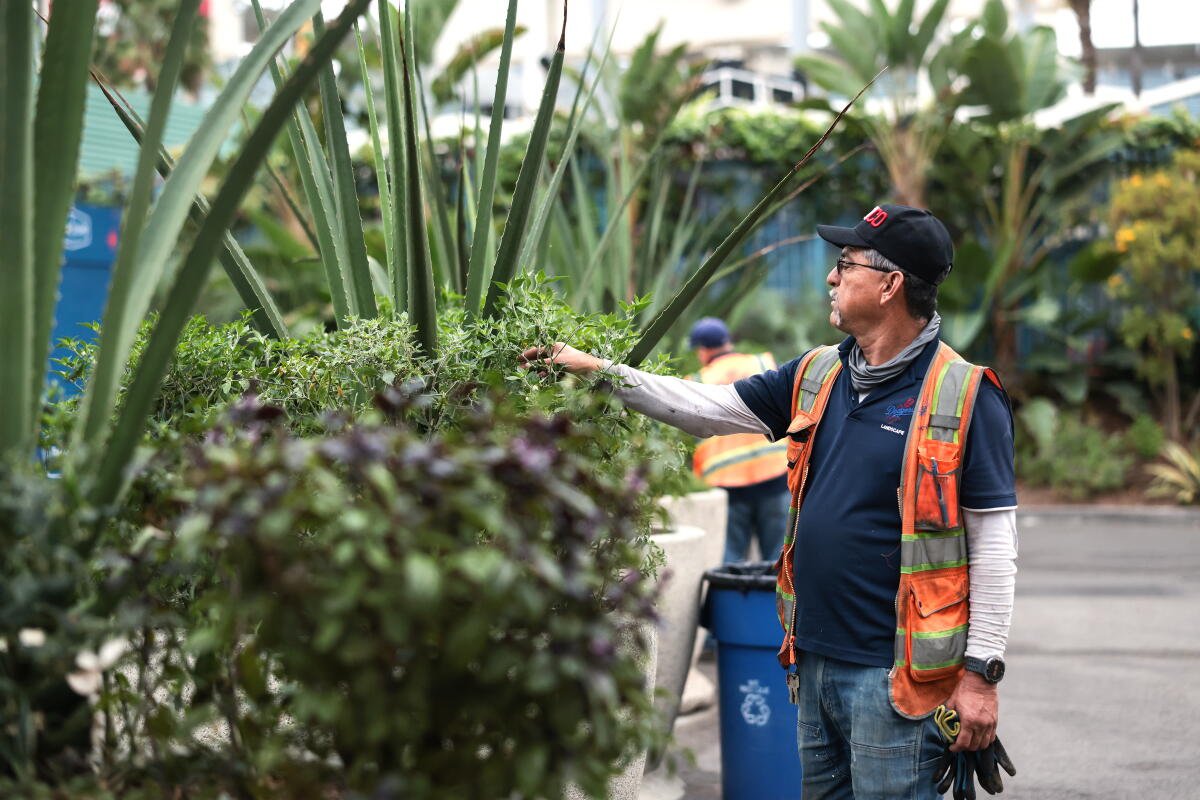
The property’s non-playing grounds began changing significantly during recurring statewide drought emergencies over the past two decades, along with shifting regional water conservation mandates. Traditional annual flower beds were removed, and ground crews introduced xeriscaping and drought-tolerant succulents, using more than 10,000 hand-planted cuttings across the surrounding hillsides.


The stadium’s grounds include steep hillsides beside Interstate 110, the Pasadena Freeway, outer parking facilities, and 149 Mid-Century Modern concrete planters built into the structure. Many of the original 1962 planters, known as “martinis” because of their conical, glass-like profile, have needed structural restoration after decades of weathering.
Chaz Perea, 41, has led the landscape operation for 17 years. He holds a doctorate, is a professor of horticultural science, and serves as co-chair of agricultural science at Mt. San Antonio College in Walnut, California. At Dodger Stadium, Perea directs a four-person crew responsible for foliage outside the playing field wall.
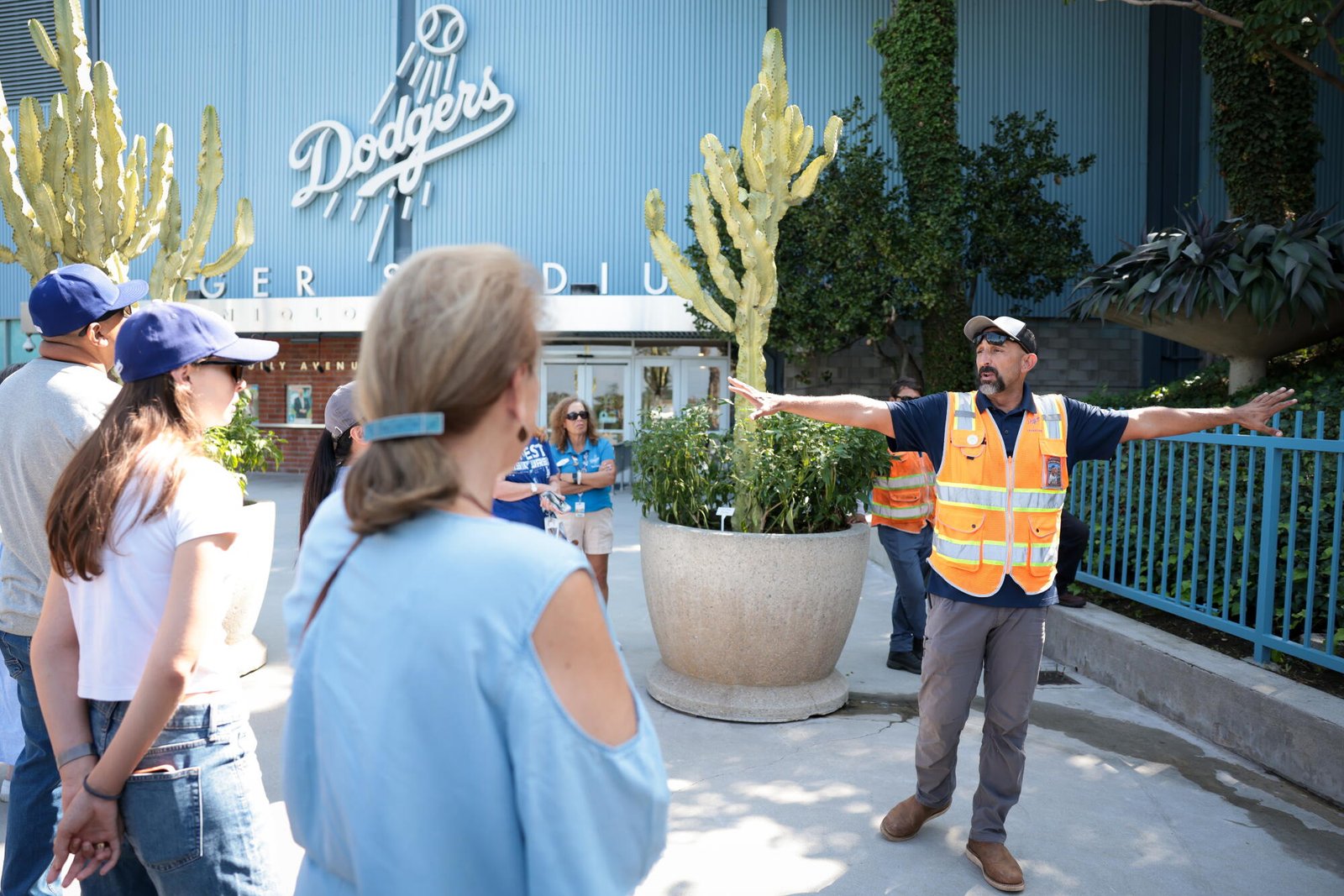
Some of the stadium’s concrete planters support agricultural micro-gardens rather than ornamental vegetation. Outside the club-level entrance, they contain jalapeño, serrano, and habanero peppers, along with garlic, onions, tomatoes, mint, and basil. The harvest is used in an annual internal salsa competition for front-office and stadium employees.
The landscape team’s daily operations are based in a metal shop at the edge of the stadium lot called “The Oasis.” Repurposed materials and salvaged items are used throughout the operation, including wooden bleachers removed from the right-field pavilion during earlier renovations. Those bleachers were turned into benches for an outdoor break area on the hillside above the shop.
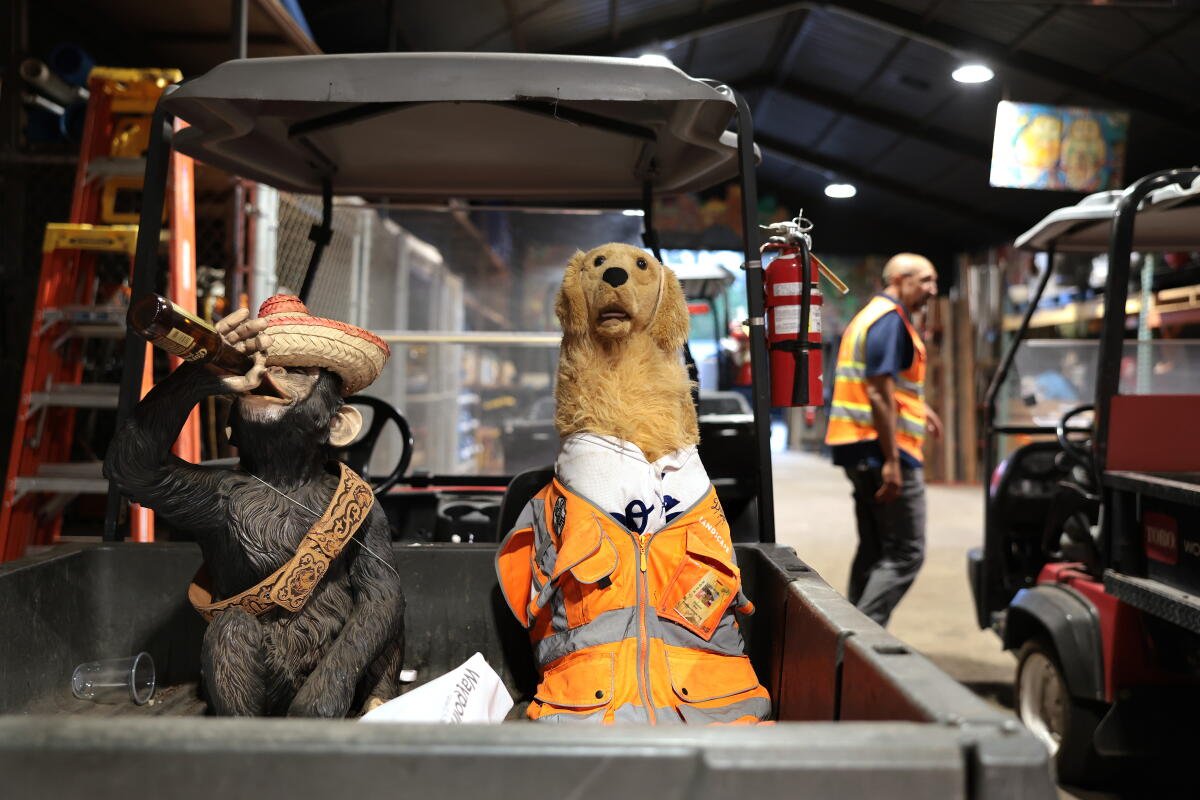
Inside the shop, maintenance tools sit alongside art pieces collected by the crew. The grounds staff has also occasionally carried out private horticultural work for franchise figures, including the late Hall of Fame broadcaster Vin Scully, who called Dodgers games for 67 seasons between 1950 and 2016.
Two areas called “Agave Island” contain blue agave planted with nine palm trees, arranged to symbolize the nine defensive positions on a baseball field. Blue agave takes approximately a decade to mature, and about 110 pounds of its core is required to produce one liter of tequila. The grounds crew plans to harvest mature plants for small-batch internal processing.

The landscape includes artifacts tied to the Dodgers’ international history. Near the top-deck entrance gates, overlooking downtown Los Angeles, stands an eight-foot-tall, 3,921-pound Kasuga-style stone lantern.
The five-piece granite monument was presented to former Dodgers owner Walter O’Malley in late 1965 by Japanese sports writer Sotaro Suzuki and his wife, Toku. It commemorated the Dodgers’ 1956 post-season goodwill tour of Japan and the opening of Dodger Stadium in 1962.
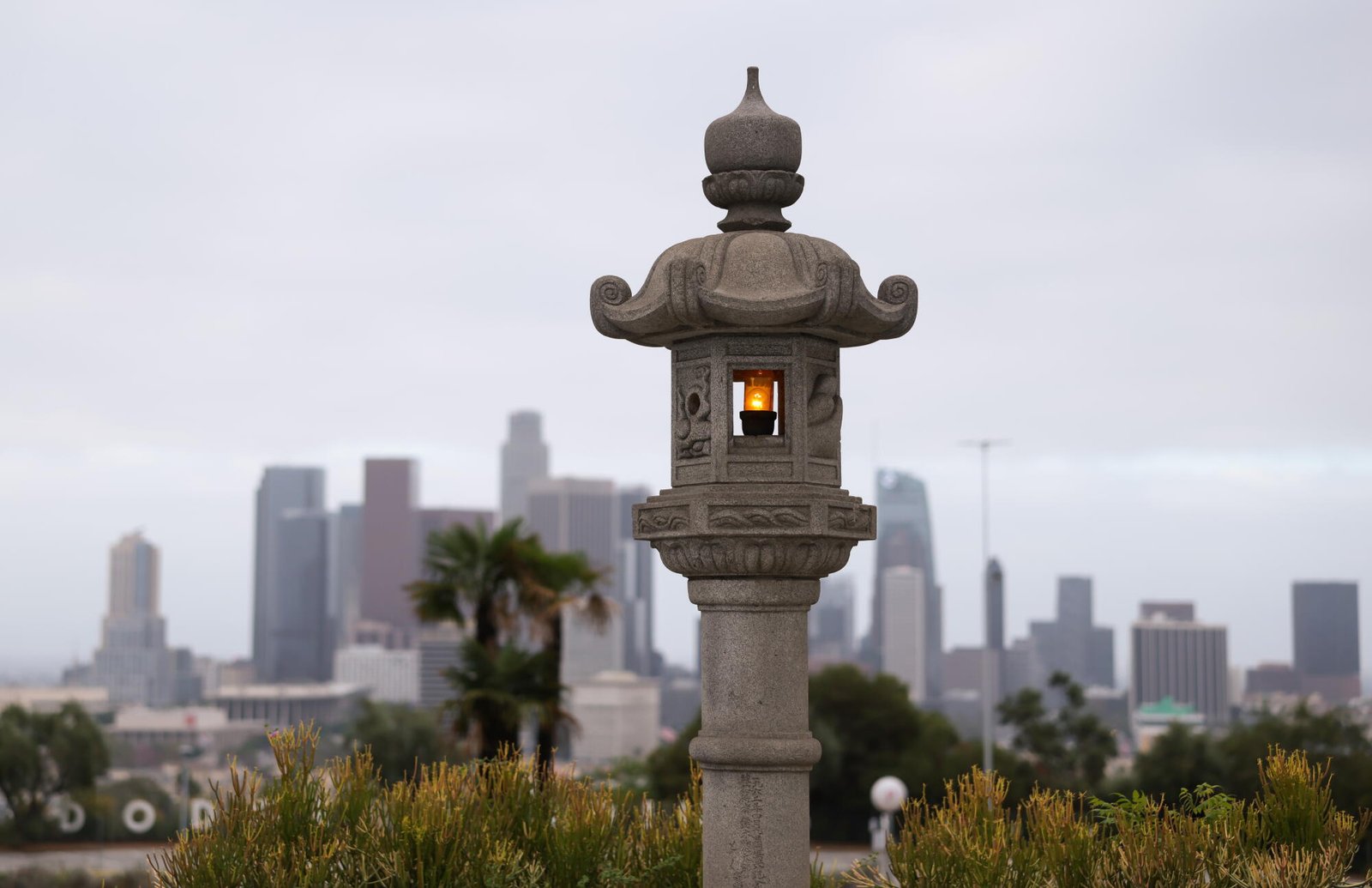
For decades, the lantern stood in a secluded Japanese garden behind a perimeter fence past the parking lot’s landmark orange 76 gas station sign. The garden included a small wooden bridge and a collection of stones, but its isolated position made it difficult for game-day visitors to reach. It eventually fell into disrepair, and team officials fenced off the area. Former team owner Peter O’Malley said early groundskeepers had maintained the site with pride, although its distance from fan concourses restricted public access.
Following the high-profile signups of Japanese stars Shohei Ohtani and Yoshinobu Yamamoto, the organization moved the lantern in early 2024. Its five component pieces were extracted, crated, and carried by flatbed truck up the stadium’s ring road to the prominent location near the upper concourse.
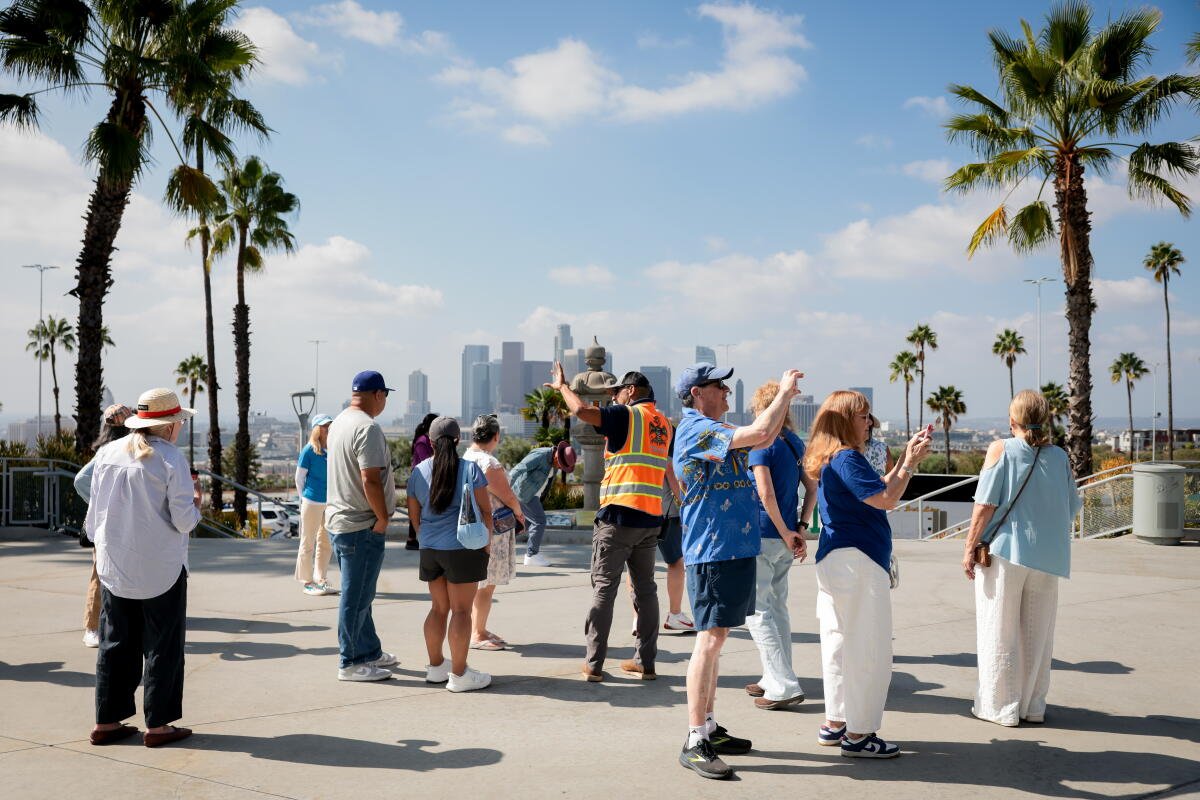
The venue now offers 90-minute botanical garden tours outside game days. Tickets cost $52.25, and visitors can view specialized plant collections, native species, and historic installations around the property. Dodger Stadium is the third-oldest active ballpark in Major League Baseball, trailing only Boston’s Fenway Park, opened in 1912, and Chicago’s Wrigley Field, opened in 1914.