

Congress Gives Trump Power to Hit Russia’s Oil Buyers With 100% Tariffs
New sanctions target Russian energy revenues, shadow tankers and the countries still buying Moscow’s oil and gas
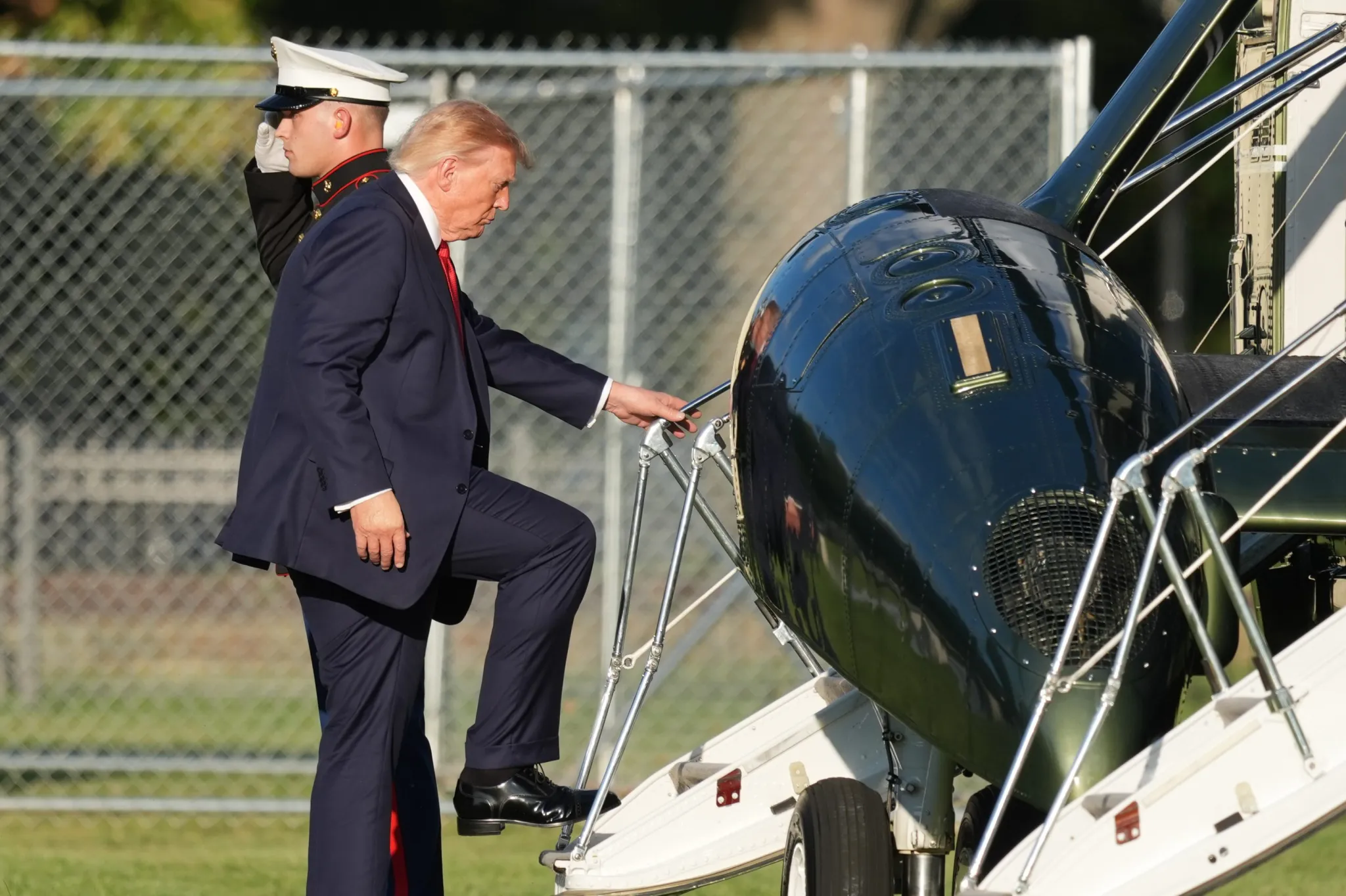
The legislation was co-authored by Sen. Richard Blumenthal, D-Conn., reflecting a rare instance of sustained, high-profile bipartisan collaboration in a deeply polarized Congress. It passed 86-11 in the Senate and 262-159 in the House, but its tariff provisions sparked fierce opposition from key Democratic leaders.
Under the bill, President Donald Trump is directed to impose tariffs of up to 100% on the top five global importers of Russian crude oil or natural gas. The legislation does not explicitly name the countries targeted, although trade data indicates the measures would most heavily impact China and India, which became the primary buyers of Russian crude after Western nations imposed embargoes in 2022.
The mandate includes a waiver for nations importing less than 15% of Russia’s total natural gas exports, provided they have demonstrated significant, documented efforts to phase out their energy dependency on Moscow. Several European and Central Asian nations that still rely on Russian pipeline gas could also be affected.


Beyond the tariff mandates, the package codifies new restrictions on Russian financial institutions and government officials. It also establishes strict penalties on the “shadow fleet,” the network of aging, uninsured tankers Russia uses to transport oil outside Western maritime insurance and price-cap networks.
The measure is aimed at choking off Russia’s energy revenues and represents a significant escalation in the economic warfare against Moscow more than four years after its full-scale invasion of Ukraine. The concentration of trade authority in the executive branch nevertheless triggered a rebellion among a segment of congressional Democrats, who argued that broad discretion to impose massive tariffs could disrupt international alliances and raise the cost of imported goods for domestic consumers.
“Why in the world would this Congress or the People’s House give this president unfettered authority to visit more tariffs on the world that will have an adverse economic impact on the American people?” said House Minority Leader Hakeem Jeffries, D-N.Y., leading the opposition on the House floor. “I can’t do it.”
The path to securing Trump’s endorsement required months of delicate negotiations. The White House initially expressed reservations and demanded assurances that the executive branch would retain sufficient flexibility to implement and waive the sanctions in order to avoid diplomatic crises.
Lawmakers broke the logjam by integrating a key administration priority into the package: a five-year extension of existing U.S. sanctions against Iran. The addition aligned the legislation with the administration’s broader foreign policy objectives in the Middle East and ultimately secured the president’s support.
The legislative victory serves as a poignant final legacy for the late Sen. Lindsey Graham, R-S.C., who championed the bill for more than a year. A staunch foreign policy hawk and close ally of the president, Graham died unexpectedly in July shortly after returning from a diplomatic visit to Ukraine.
Following his death, South Carolina Gov. Henry McMaster appointed Graham’s sister, Darline Graham, to fill his vacant Senate seat and complete his term. “I wish Lindsey were here to celebrate this historic day,” Sen. Darline Graham said in a statement on Friday. “I know he would be so proud. Lindsey believed this bill, which he worked on for well over a year, would help end the war through squeezing Putin economically and forcing his customers to reevaluate their relationship with Russia.”
“If he were here today, he would be jubilant about our bill’s passage — and already thinking about the next one,” Blumenthal said of his late colleague following the House vote on Wednesday night. “Putin is a thug who understands only force and strength, which is what we must show clearly and unequivocally.”









