Coast Guard Finds Titan Disaster Preventable, Exposing Regulatory Void in Deep-Sea Tourism
Investigation reveals certification loophole that allowed experimental carbon-fiber hull to carry paying passengers to Titanic wreck
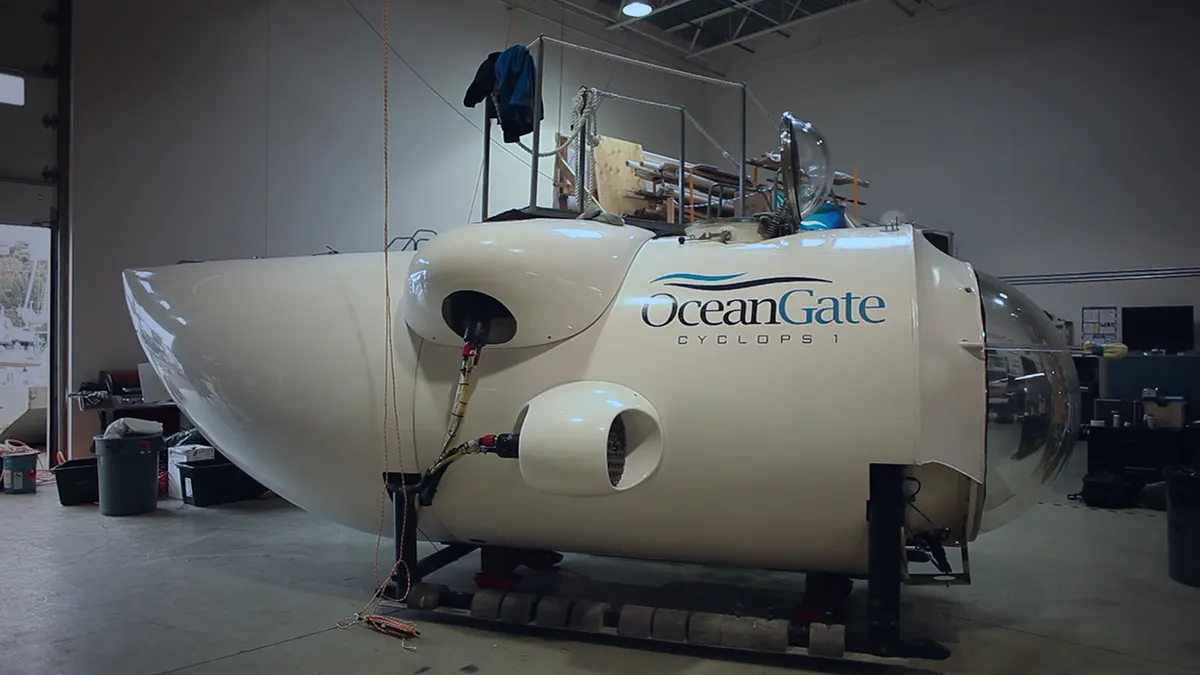
A U.S. Coast Guard investigation has concluded that the 2023 implosion of the Titan submersible was preventable, laying bare a regulatory vacuum that allowed an experimental carbon-fiber vessel to carry paying passengers to the Titanic wreck without independent safety certification. The finding shifts focus from the psychology of OceanGate CEO Stockton Rush to the systemic gaps that permitted commercial deep-sea operations to bypass classification standards long considered mandatory for passenger vessels.
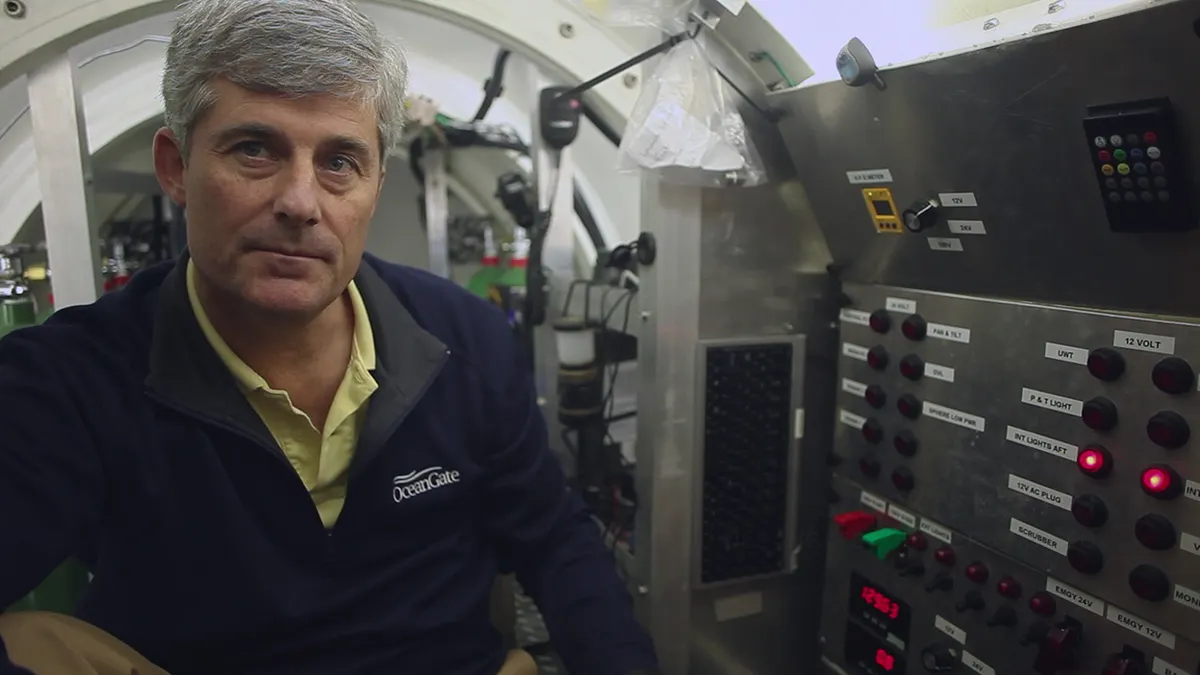
The Marine Board of Investigation report, released after more than a year of hearings, determined that OceanGate operated outside the framework that governs every other commercial submersible carrying passengers for hire. While competitors such as Triton Submarines and Deep Ocean Expeditions submit hull designs to classification societies like DNV or Lloyd’s Register for finite-element analysis and cyclic fatigue testing, OceanGate claimed its “real-time health monitoring” acoustic system rendered traditional certification obsolete. The Coast Guard found no evidence the monitoring system could detect delamination in the carbon-fiber hull before catastrophic failure.


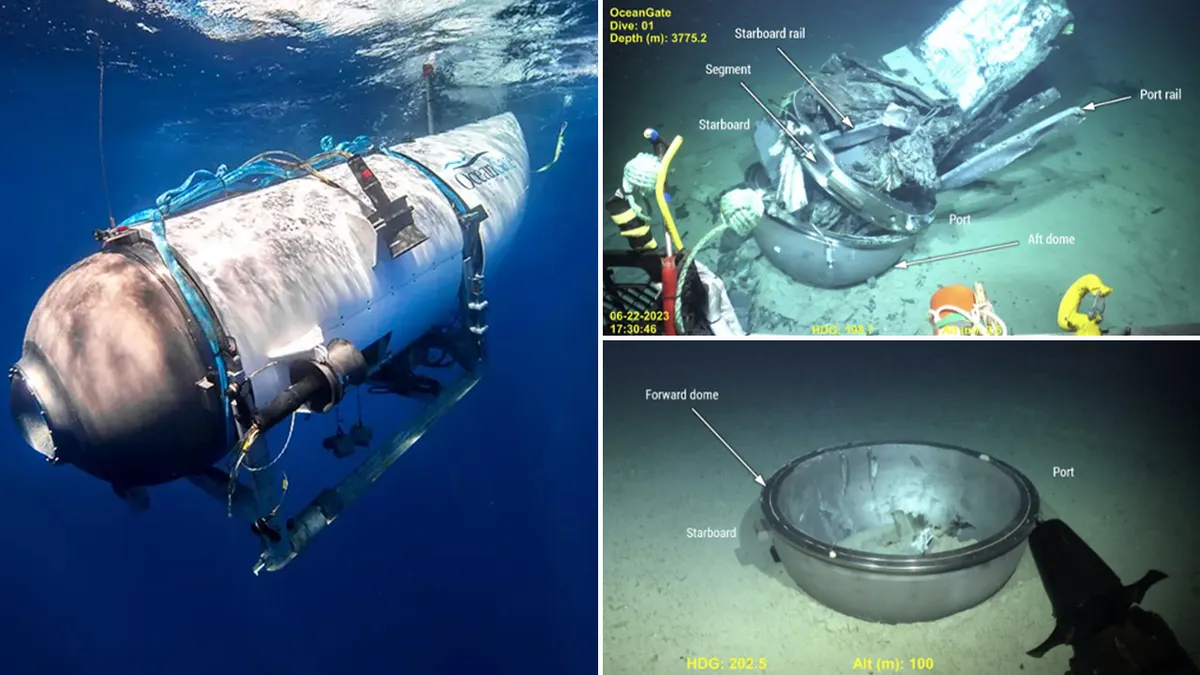
Five people died when Titan lost contact on June 18, 2023, during its descent to 3,800 meters in the North Atlantic: Rush, French explorer Paul-Henri Nargeolet, British businessman Hamish Harding, Pakistani-British investor Shahzada Dawood and his 19-year-old son Suleman. Each had paid $250,000 for the dive. Debris located four days later confirmed instantaneous implosion. The Coast Guard has referred evidence to the Department of Justice for potential criminal review, though former federal prosecutor Brandi Young told Fox News Digital that securing a murder conviction would face high hurdles because Rush perished in the incident; manslaughter or second-degree murder charges based on “extreme recklessness” remain more plausible legal avenues.
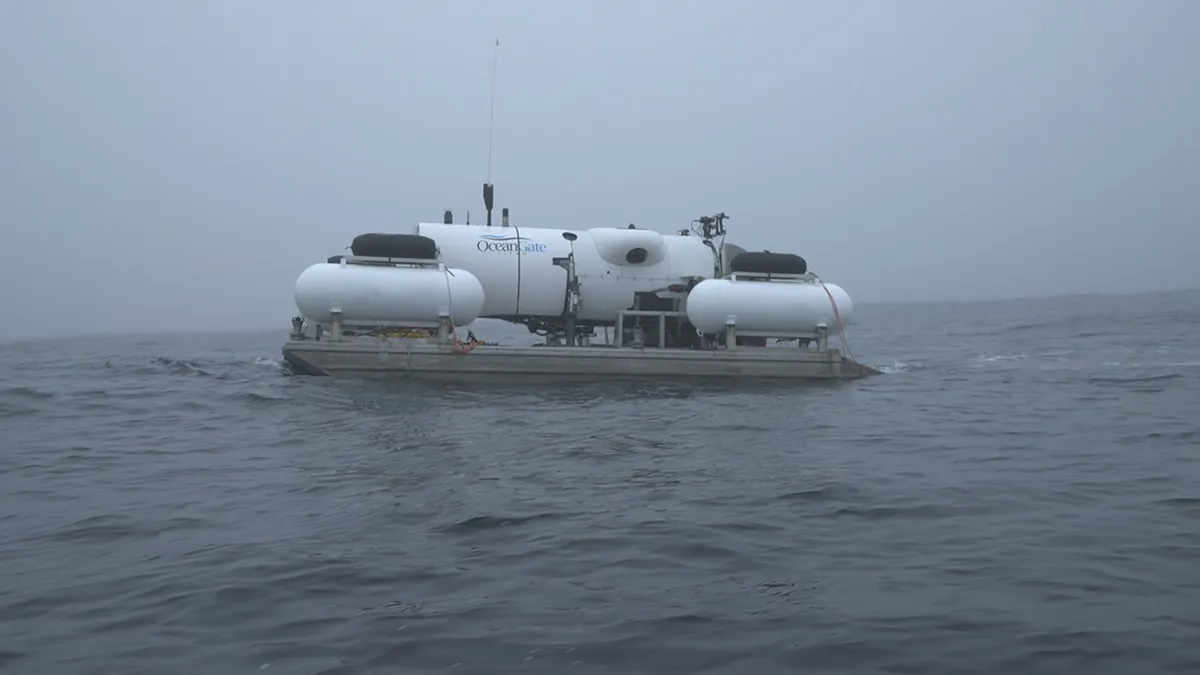
Karl Stanley, a commercial submersible operator and longtime Rush acquaintance, claims in Matthew Gavin Frank’s new book “Submersed” that Rush intentionally designed Titan to fail so he could become part of “Titanic mythology.” Stanley alleges most OceanGate employees anticipated the outcome. Those assertions, while dramatic, align with testimony from former OceanGate engineering director Tony Nissen, who told the Marine Board he was fired in 2019 after refusing to sign off on the hull without further testing. Nissen said Rush dismissed classification society requirements as “bureaucratic hurdles” and pressured staff to accelerate the dive schedule.
The Titan’s name, borrowed from Morgan Robertson’s 1898 novel “Futility” — which fictionalized an “unsinkable” liner named Titan striking an iceberg — has drawn retrospective scrutiny. But the Coast Guard’s technical findings emphasize material science over symbolism: carbon-fiber composites lack the predictable crush-depth behavior of titanium or steel, and the hull’s filament-wound construction had never been validated for repeated pressure cycles at 6,000 psi. No classification society had approved a carbon-fiber pressure hull for human occupancy at abyssal depths before Titan.
Civil litigation is advancing. The Dawood family filed suit in Washington state court alleging fraud, gross negligence, and wrongful death; the Harding estate filed in federal court in Seattle. Both cite OceanGate’s marketing materials, which described Titan as “designed to the highest safety standards” while omitting that it carried no class certification. The Coast Guard’s final report recommends mandatory third-party classification for all commercial submersibles carrying passengers in U.S. waters or operating from U.S. flagged vessels — a rule change that would close the loophole OceanGate exploited. The International Maritime Organization has no equivalent mandate for deep-submergence vehicles, leaving a patchwork of national regulations that the Titan tragedy may finally force to harmonize.