Alabama DA’s Reversal Helped Spare Toforest Johnson
A sitting district attorney's decision to challenge his own office's 1998 conviction exposed hidden witness payments and alibi evidence.
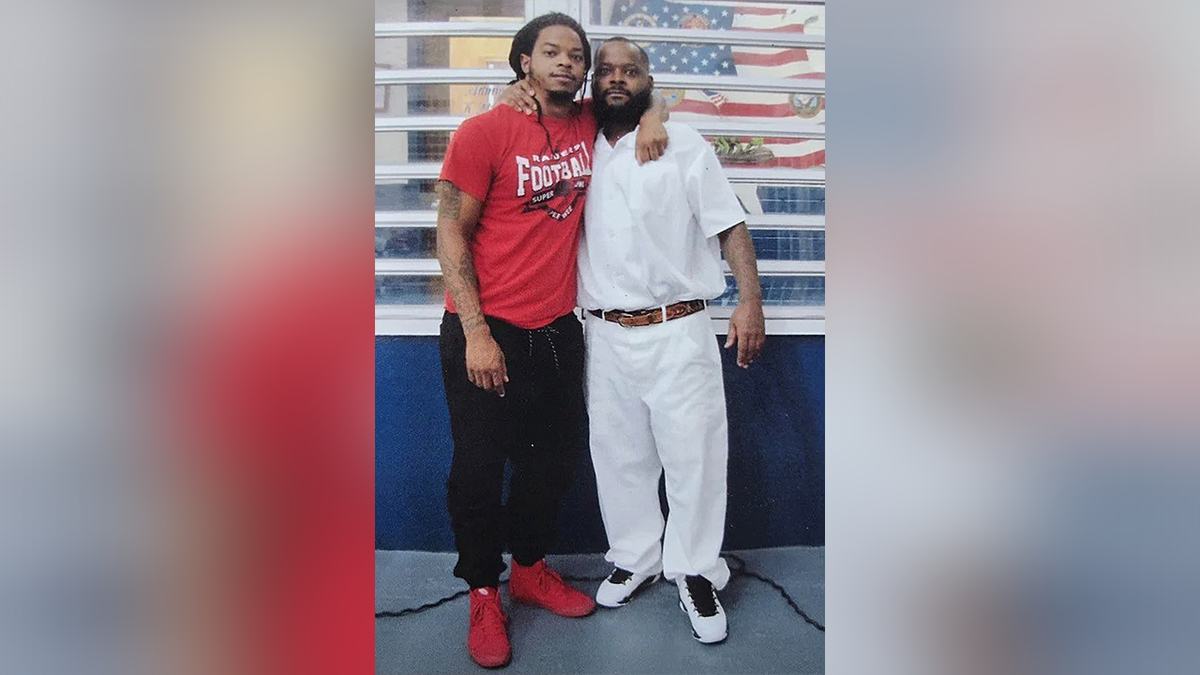
Jefferson County District Attorney Danny Carr did something prosecutors almost never do. He asked the courts to undo a murder conviction his own office secured.
That intervention proved decisive Tuesday when Alabama Gov. Kay Ivey commuted the death sentence of Toforest Johnson, who has spent nearly three decades at Holman Correctional Facility for the 1995 killing of off-duty Deputy Sheriff William Hardy. Johnson was convicted in 1998. Carr, elected in 2018, concluded the case built by his predecessors had collapsed under scrutiny.
The commutation highlights a widening fracture between sitting prosecutors and the state attorneys general tasked with defending old convictions. It also exposes how financial incentives can compromise capital cases.
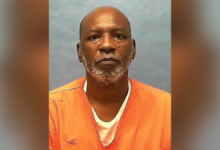
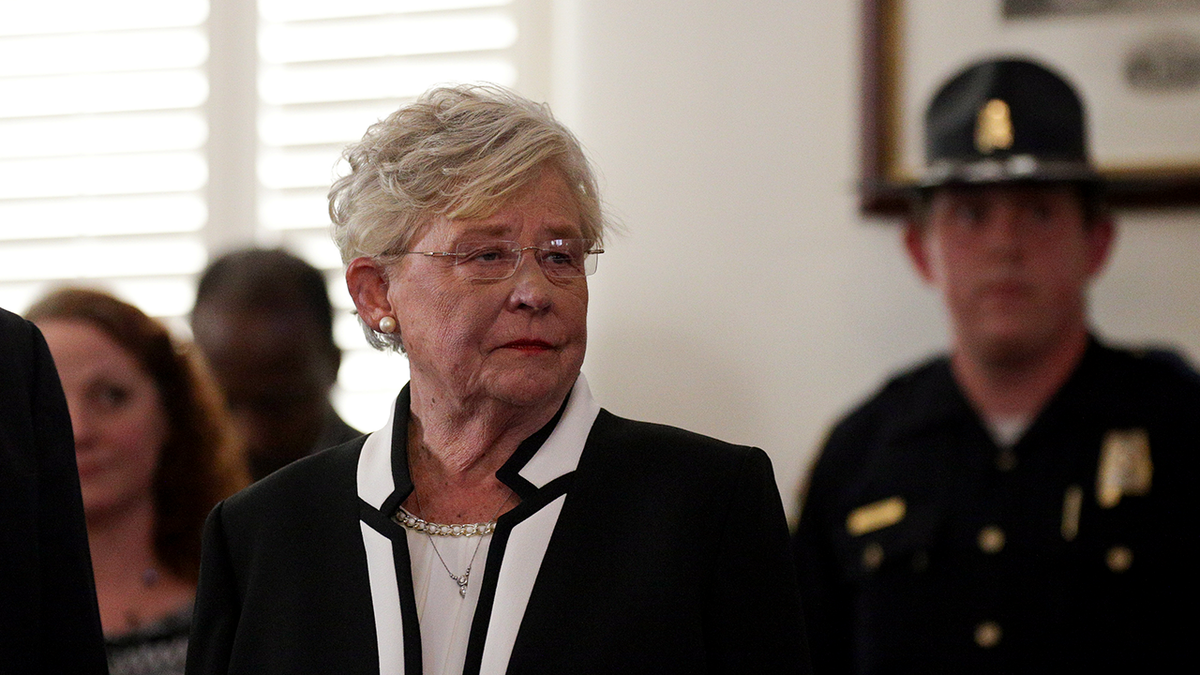
Ivey converted Johnson’s punishment to life in prison without parole. She stopped short of declaring him innocent. “My decision is not a determination of innocence, but a recognition that the circumstances of this case justify commuting his death sentence,” Ivey said in a statement.
Johnson’s legal team views the governor’s order as a stepping stone toward exoneration rather than a final resolution. Defense attorney Ty Alper said they will continue fighting to overturn the conviction entirely. “Toforest Johnson is innocent. Now it is up to the courts to overturn his conviction and grant him a new trial,” Alper said in a statement.
The evidentiary problems Carr identified center on two pillars of the original prosecution. Credible alibi witnesses place Johnson across Birmingham when Hardy was shot twice in the head outside a hotel on July 19, 1995, according to court filings reviewed by Carr. The other pillar involved a woman who testified she overheard Johnson confessing during a three-way phone call she was eavesdropping on.
She collected a $5,000 reward in 2001. Johnson’s lawyers argued the state withheld evidence of that monetary incentive from the defense during the 1998 trial.
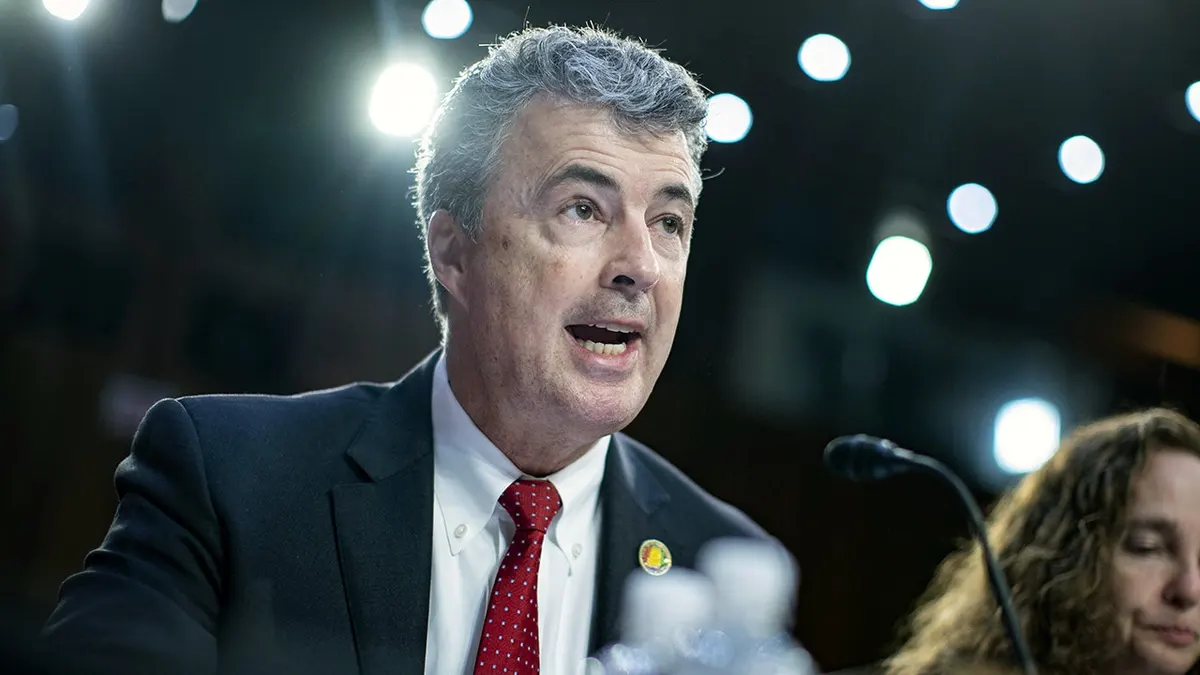
Carr detailed these failures in a 2024 court filing, writing that the “evidence in this case has unraveled over 20 years.” His stance put him directly at odds with Alabama Attorney General Steve Marshall, who urged Ivey last week to reject clemency and “respect the jury’s decision,” according to a statement from Marshall’s office.
This type of intra-state conflict is reshaping American death penalty litigation. Elected district attorneys in major jurisdictions have increasingly formed conviction integrity units or joined defense motions to vacate sentences they consider unreliable. In Philadelphia, former District Attorney Larry Krasner built his platform partly on reviewing questionable capital convictions. Carr’s maneuver in Jefferson County follows that trajectory, applying pressure from inside the very institution that won the original guilty verdict.
The push for a new trial drew backing from an unusual coalition. Former Alabama Attorney General Bill Baxley submitted briefs supporting Johnson. Former Alabama Supreme Court Chief Justices Sonny Hornsby and Drayton Nabers joined the effort, alongside celebrity advocates such as Kim Kardashian, according to statements released by Johnson’s legal team.
Ivey has now commuted three death sentences since taking office in 2017. During that same period, she oversaw 27 executions. Her term ends in January due to term limits.