Boeing 787 Brake Failure at O’Hare Triggers FAA Probe Into Carbon Brake System Reliability
Carbon brake thermal transfer suspected in tire blowout; third 787 fleet event since 2024
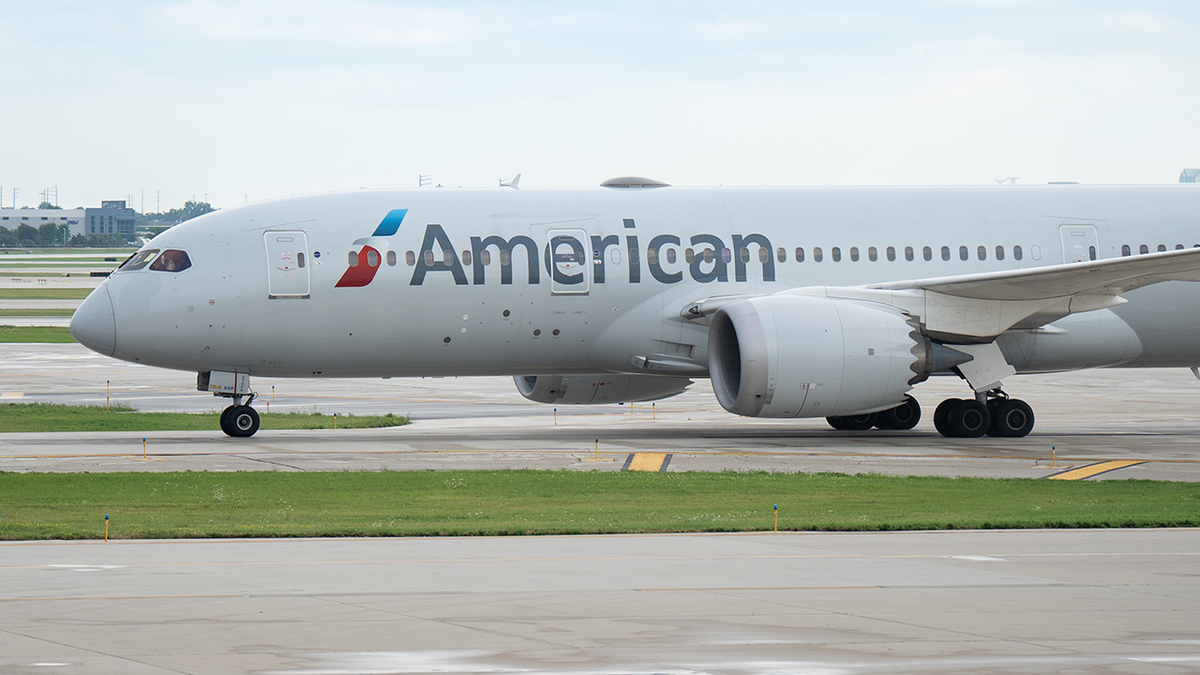
CHICAGO — Federal investigators are examining whether a carbon brake overheating event triggered the tire explosion that forced 234 passengers off an American Airlines Boeing 787-800 at O’Hare International Airport Tuesday, marking the latest in a series of landing-gear anomalies involving the widebody fleet.
Flight 41 from Barcelona touched down at 2:30 p.m. local time when the crew reported a brake malfunction followed almost immediately by a blown tire, according to the Federal Aviation Administration. The aircraft taxied clear of the runway before emergency crews surrounded it. No injuries were reported among the 245 people aboard.
The sequence — brake issue first, tire failure second — is technically significant. The 787 uses carbon-composite brakes designed to run hotter than traditional steel units. When those brakes overheat, they can transfer enough thermal energy to adjacent tires to cause catastrophic pressure failure minutes after touchdown, maintenance manuals show.


American Airlines pulled the aircraft, tail number N808AN, from service for what the carrier called a full maintenance inspection. The FAA confirmed it will investigate, though the agency did not specify whether the probe will focus on the brake control system, the anti-skid logic, or the tire-pressure monitoring sensors.
This is at least the third brake-related 787 event at a major U.S. hub in 18 months. A United 787-9 aborted takeoff at Newark in January 2024 after a brake-temperature indication, and a British Airways 787-8 returned to Heathrow last June with a similar fault pattern. Neither resulted in tire failure.
Aviation safety analysts note that carbon brakes require different operational procedures than steel. Pilots must manage brake energy more conservatively during long taxi operations and high-weight landings — conditions Flight 41 encountered after a transatlantic sector with near-maximum fuel reserves.
Passengers deplaned via airstairs onto the ramp and were bused to Terminal 5, a process that took roughly 90 minutes. American apologized for the disruption and rebooked connecting travelers on later flights.
The aircraft, delivered in 2015, has accumulated approximately 38,000 flight hours. Its maintenance records will be central to the FAA’s review, which typically takes 30 to 60 days for a preliminary report.