Bolivia Deploys Military to Secure Supply Routes as U.S. Visa Revocations Target Top Officials
Preventive military deployments aim to protect supply chains as Washington revokes visas for 27 officials across four South American nations.
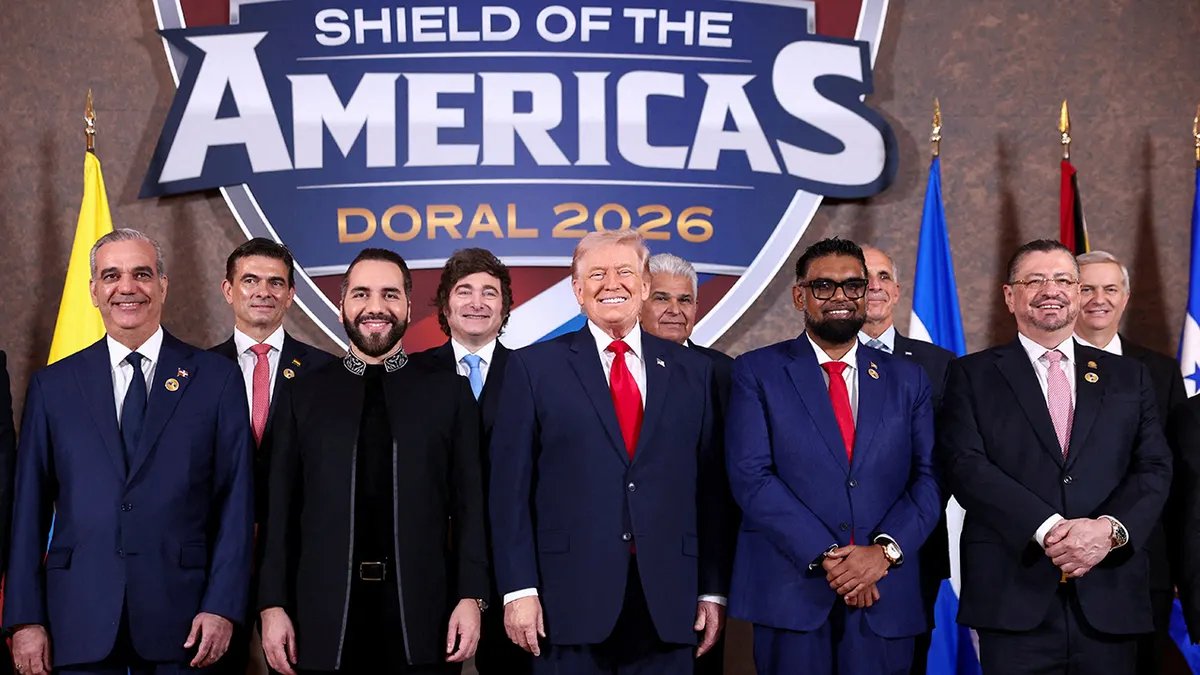
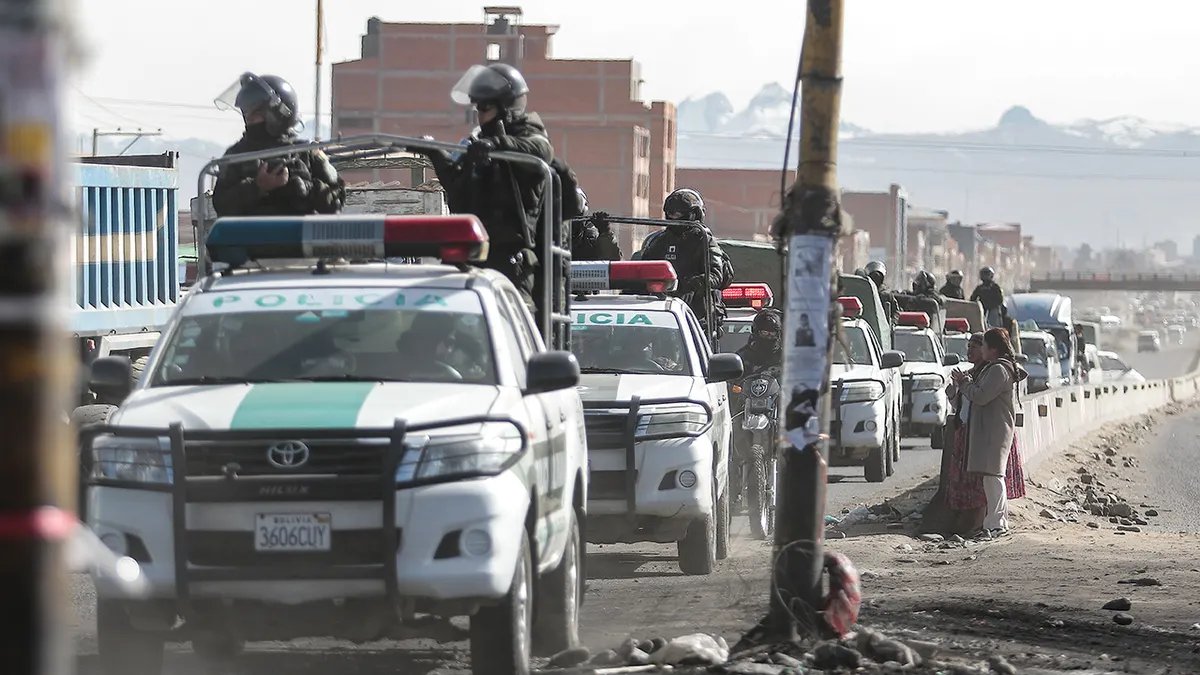
Bolivian security forces have moved into position along critical highways and infrastructure corridors under a 90-day state of emergency, aiming to prevent a recurrence of the 53-day blockade campaign that paralyzed the country’s supply chains earlier this year. The preventive deployments mark the first major stress test for Shield of the Americas, the regional security framework launched by President Donald Trump in March.
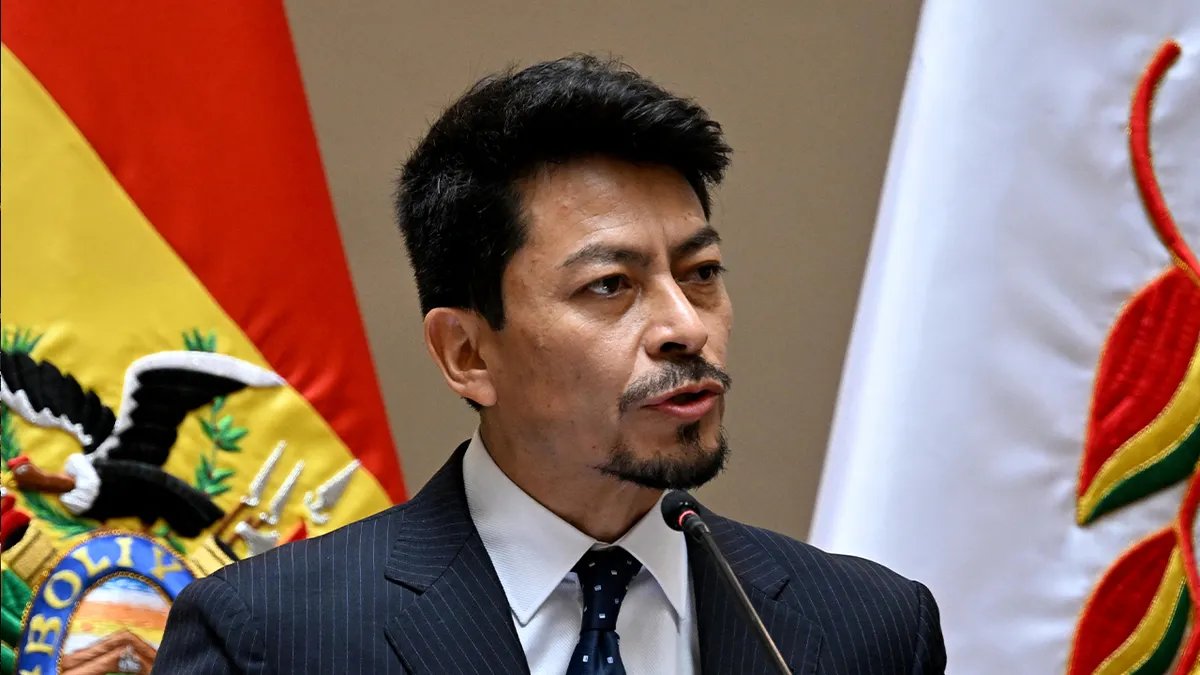
Defense Minister Ernesto Justiniano confirmed that police and military units are now stationed at strategic access points to major cities and along routes essential for food, fuel, and medicine distribution. He declined to disclose troop numbers or specific coordinates, stating that deployment scales will fluctuate based on threat assessments. Police retain primary jurisdiction over public order, while the armed forces focus on protecting constitutional infrastructure.
The mobilization follows a Sept. 17 vote by Bolivia’s Assembly extending emergency powers for three months. Opposition lawmakers and social organizations contested the measure, arguing it addresses symptoms rather than the economic grievances driving unrest. Earlier this year, blockades orchestrated by factions loyal to former President Evo Morales and his Movement towards Socialism (MAS) party choked commerce, triggering severe shortages across the Andean nation.

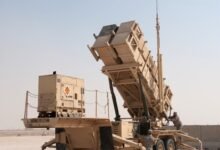
Washington has responded with both diplomatic backing and punitive measures against Bolivian officials. On Sept. 28, the State Department revoked visas for 27 individuals across Bolivia, Colombia, Ecuador, and Peru. Among those targeted was Bolivian Prosecutor General Roger Mariaca, whom U.S. authorities accused of corruption and facilitating narcotrafficking. Mariaca has denied the allegations.
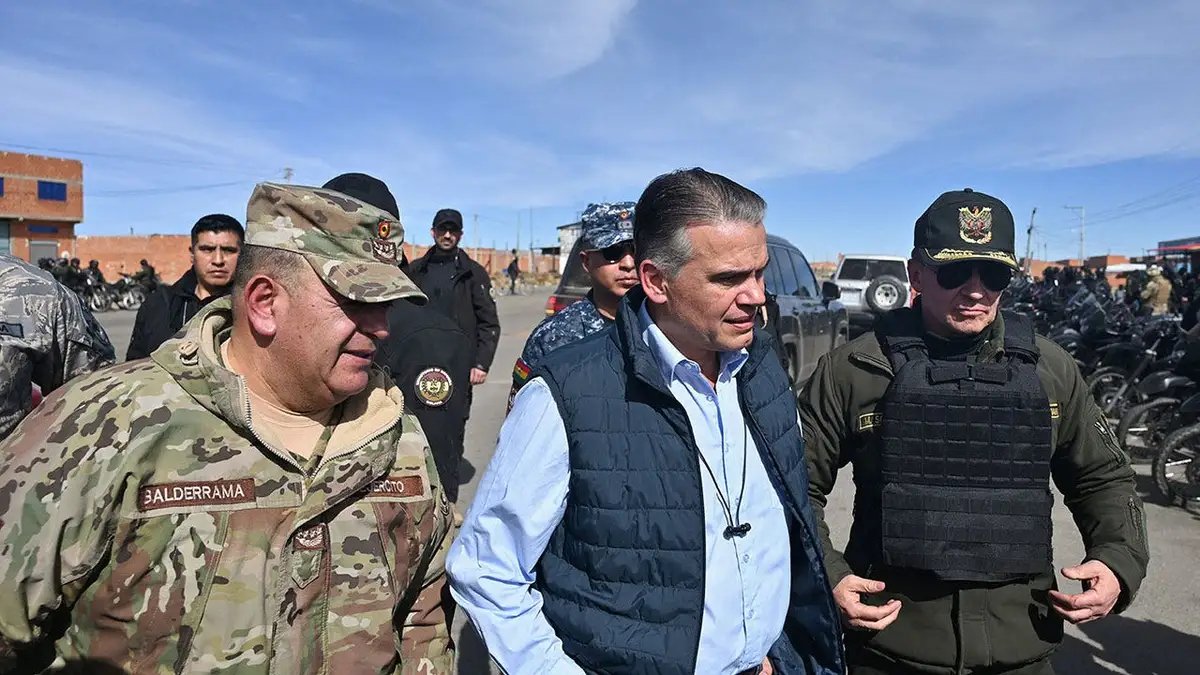
Justiniano stated that La Paz has formally requested the evidentiary basis for the U.S. sanctions against Mariaca but cautioned against conflating the visa revocations with the current street-level unrest. “It would be irresponsible for me to automatically state that everyone affected by those measures is connected to the current mobilizations,” he said, noting a lack of public evidence linking the sanctioned individuals directly to the blockade campaigns.
The situation exposes the operational complexities of Shield of the Americas, which Trump inaugurated at a March 7 summit in Doral, Florida, alongside leaders from Argentina, Chile, Costa Rica, the Dominican Republic, El Salvador, and Guyana. While the alliance was designed primarily to combat transnational cartels and secure borders, member states are increasingly applying its framework to domestic crises where organized crime intersects with political destabilization.
Bolivia’s geographic position makes it a vital transit corridor for cocaine produced in neighboring Peru and Colombia, a dynamic that historically empowered illicit networks to infiltrate state institutions. During MAS’s nearly two decades in power, U.S.-Bolivia counter-narcotics cooperation collapsed entirely after Morales expelled the Drug Enforcement Administration in 2008 and later USAID in 2013. President Rodrigo Paz, who took office following a decisive electoral shift away from socialist policies, has actively sought to rebuild those severed ties.
Minister of the Presidency Fernando Aramayo told reporters on the sidelines of the United Nations General Assembly last week that the government views its current struggle as a fight against networks financed by narco-trafficking money. Aramayo acknowledged the right to peaceful protest but drew a firm line against actions funded by international organized crime.
Whether Washington is providing direct operational intelligence to support the current deployments remains unconfirmed. Justiniano indicated only that Bolivia intends to deepen cooperation across financial intelligence sharing, extraditions, border security, and institutional training.
The distinction between legitimate social discontent and coordinated sabotage remains central to the government’s strategy. “We do not confuse legitimate social discontent with a threat to democracy,” Justiniano said. “People may agree or disagree with our economic policies. They can march, protest and challenge the government. That is democracy. What is not democratic is trying to impose a decision through violence, indefinite blockades or threats against the constitutional order.”
U.S. officials echoed that framing. A State Department spokesperson characterized the Paz administration’s efforts as a necessary correction following years of corrupt mismanagement, emphasizing unwavering American commitment to Bolivia’s democratic stability.
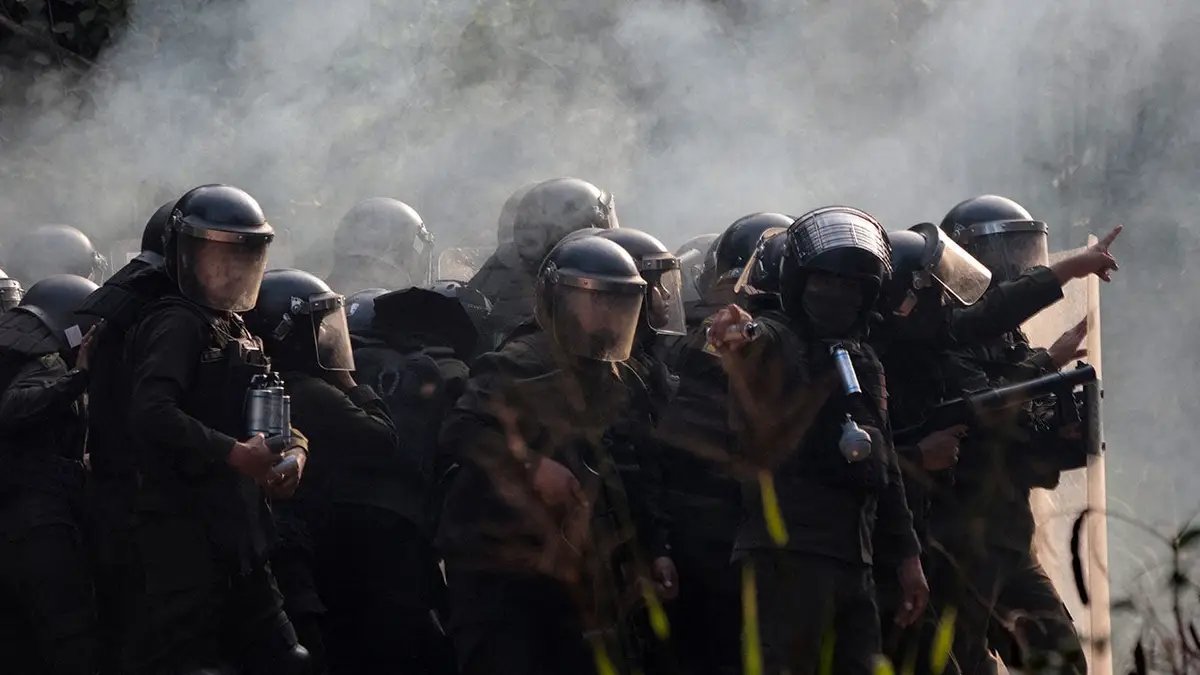
Bolivia’s economy remains highly vulnerable to disruption. The country relies heavily on imported refined fuels despite its natural gas reserves, making highway blockades an immediately devastating tactic. The 53-day standoff earlier this year cost the economy hundreds of millions of dollars and accelerated capital flight.
Trump hosted participating Shield of the Americas leaders again on Sept. 22 during the UN General Assembly in New York, reinforcing the initiative’s role as a cornerstone of current U.S. hemispheric policy.
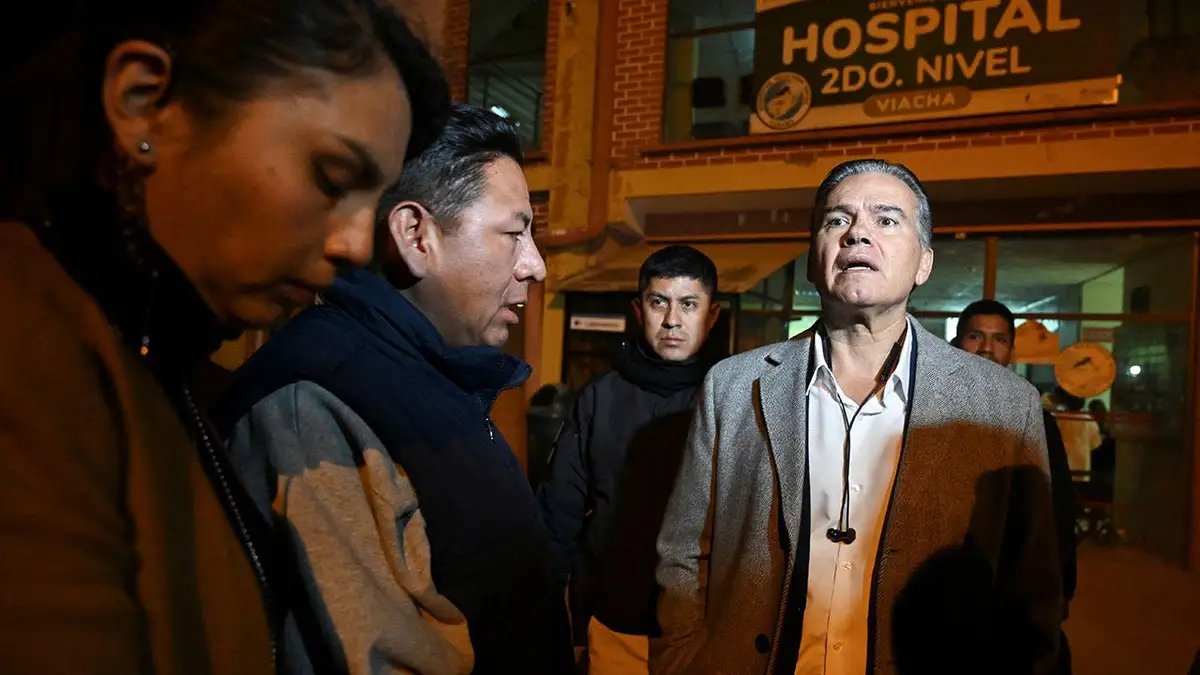
The 90-day state of emergency approved in September is currently active and set to expire in mid-December.