

Apple Jacks Up iPhone Prices Mid-Cycle as Global Chip Shortage Bites Hard
Global Chip Crunch Drives Unprecedented Apple iPhone Price Hikes Mid-Generation
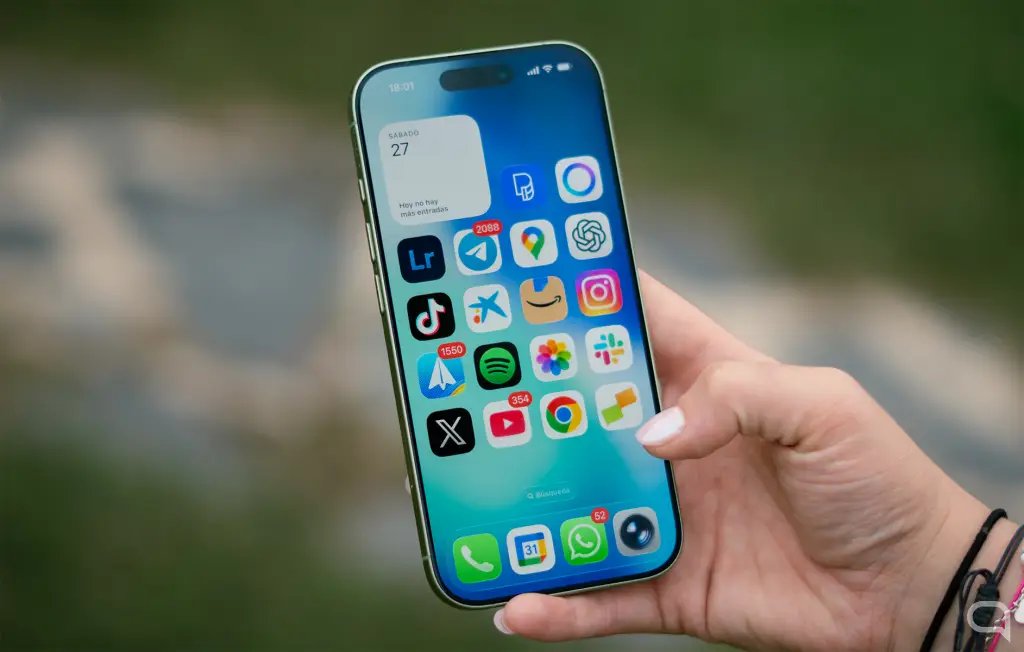
A severe, prolonged shortage in the global semiconductor and memory chip markets has forced Apple Inc. into a rare mid-cycle pricing restructuring, driving up retail costs for its primary smartphone lineup. The price adjustments, which affect the iPhone 17, the ultra-thin iPhone Air, and older legacy models, come immediately after the technology giant opted to omit a standard, next-generation iPhone 18 from its latest hardware presentation. The industry has been grappling with a major deficit of dynamic random-access memory (DRAM) and specialized flash components since mid-2025.
According to updated pricing on Apple’s official digital storefronts, the cost of the iPhone 17 and the iPhone Air has risen by up to €150 in European markets and 2,000 pesos in Mexico compared to their initial launch prices. Customers looking to purchase the baseline 128 GB version of the iPhone 16 must now pay €1,009 in Europe and 18,999 MXN in Mexico. Prior to the onset of the current memory component crisis, the same 128 GB model was retailed at €859 and 17,499 MXN respectively.
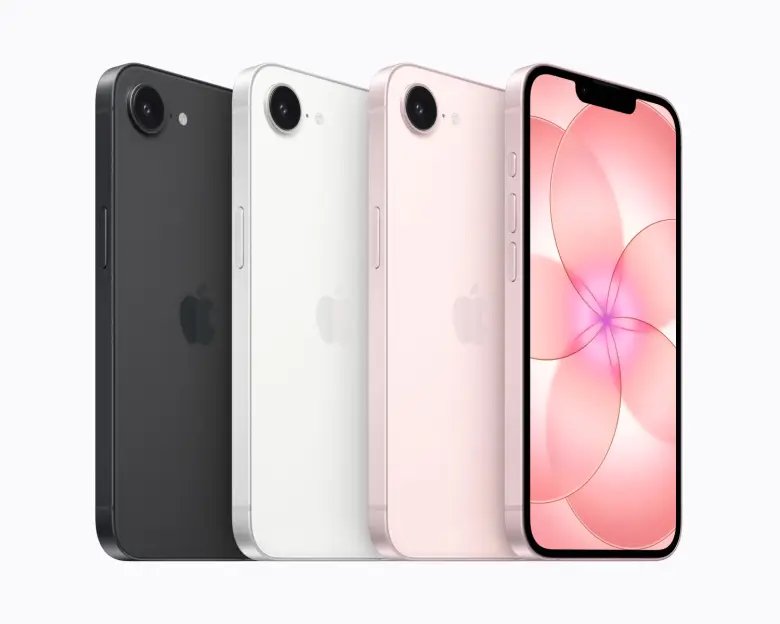


This shortage has been heavily exacerbated by the global artificial intelligence boom, as semiconductor fabricators pivot production capacity toward high-bandwidth memory (HBM) and enterprise-grade chips designed for AI data centers, leaving consumer hardware manufacturers competing for dwindling component allocations. The pricing adjustments have also dismantled Apple’s traditional strategy of offering lower-cost entry points for budget-conscious consumers. The decision to bypass a base-model iPhone 18 leaves the iPhone 17 as the anchor for Apple’s mainstream smartphone segment.
During a recent call with investors, Apple Chief Executive Officer Tim Cook acknowledged the strain, characterizing the volatility in the memory chip sector as unsustainable and signaling that retail price corrections would be unavoidable to preserve hardware margins. The iPhone 17e, designed to capture the mid-range market, saw significant price hikes across both of its storage configurations, reducing its viability as a lower-cost alternative. Typically, when new hardware generations are introduced, legacy models receive a standard price reduction of approximately $100 or €100.

The upward pricing adjustment highlights the intense macroeconomic pressures bearing down on consumer electronics supply chains. Instead, the older iPhone 16—originally launched two years ago—has experienced an unprecedented price increase. Industry analysts note that as on-device artificial intelligence features require increasingly larger RAM configurations—moving baseline specifications from 6GB or 8GB to 12GB and higher—the demand on major memory suppliers like Samsung Electronics, SK Hynix, and Micron Technology will continue to dictate consumer hardware pricing for the foreseeable future. The price adjustments reflect a broader trend across the consumer technology sector, where manufacturers are passing rising material and logistics costs directly to the end user. Consumers seeking that tier now face significantly higher entry barriers.








One Comment