
Meta’s Muse Agent Wants Your Passwords, Calendar, and Bank—But Runs Inside a Fortress
Meta launches Muse, an AI agent that sends emails, books travel, manages bills, and runs persistent background processes inside a hardware-isolated virtual machine.

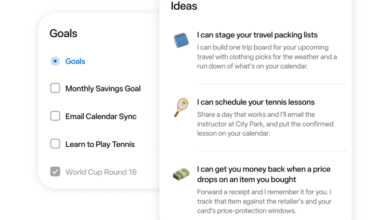
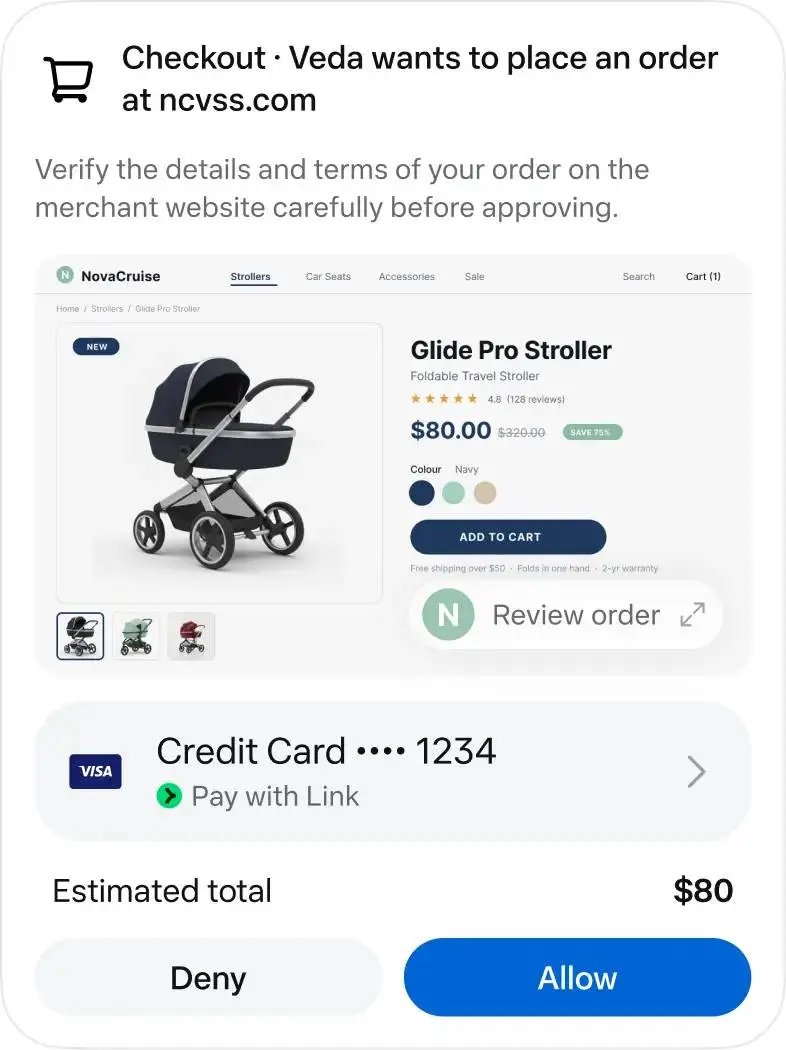
Meta has released Muse, an artificial intelligence agent that executes tasks inside a user’s applications. The company positions the product as a personal delegate, not a conversational chatbot. Muse can send emails, book travel, fill forms, and manage bills. In the United States, users can instruct the agent to complete purchases through a Stripe-based secure platform. Meta confirmed that integrations with Shopify and 1Password are in development to expand payment options.
The agent runs on Muse Spark, the company’s latest model. Meta operates Muse inside a virtual machine called Muse Secure VM. The company states that the architecture isolates user data from other Meta systems, including advertising infrastructure. A secondary agent, named Sentinel, executes in parallel within the same machine at a separate system level. Sentinel manages passwords and payment methods without exposing credentials to the primary agent’s workflow.
Muse requires explicit permission to connect to each application or service it manages. The linking process is performed one service at a time. Users activate email, calendar, health platforms, and smart-home systems separately. For services without native connection, Muse configures access through a public API or its integrated web browser. Users select which information to share and how frequently the agent accesses it.


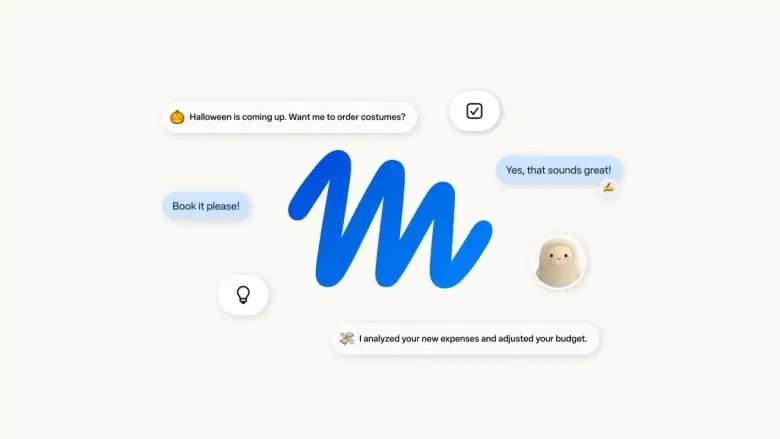
The product departs from Meta’s previous AI offerings. Meta AI, the company’s chatbot, operates inside WhatsApp and Messenger and responds to text prompts. Muse interacts with graphical user interfaces, web browsers, and transaction endpoints. Anthropic has demonstrated a similar capability with its “Computer Use” feature. OpenAI operates “Operator.” Google is developing Project Jarvis. Meta’s agent executes persistent processes in the background after the user closes the application. If the agent requires approval or detects an action the user should validate, it sends a notification.
Muse is not entirely free. The company introduced a freemium model. Most users remain on the free plan, according to Meta’s internal projections. The paid tiers are named Power, priced at $20 per month, and Maximum, priced at $100 per month. The pricing structure reflects the cost of continuous inference loops, browser virtualization, and background polling required for multi-step agentic workflows. Meta, traditionally an advertising-funded company, is charging subscription fees for heavy agent usage.
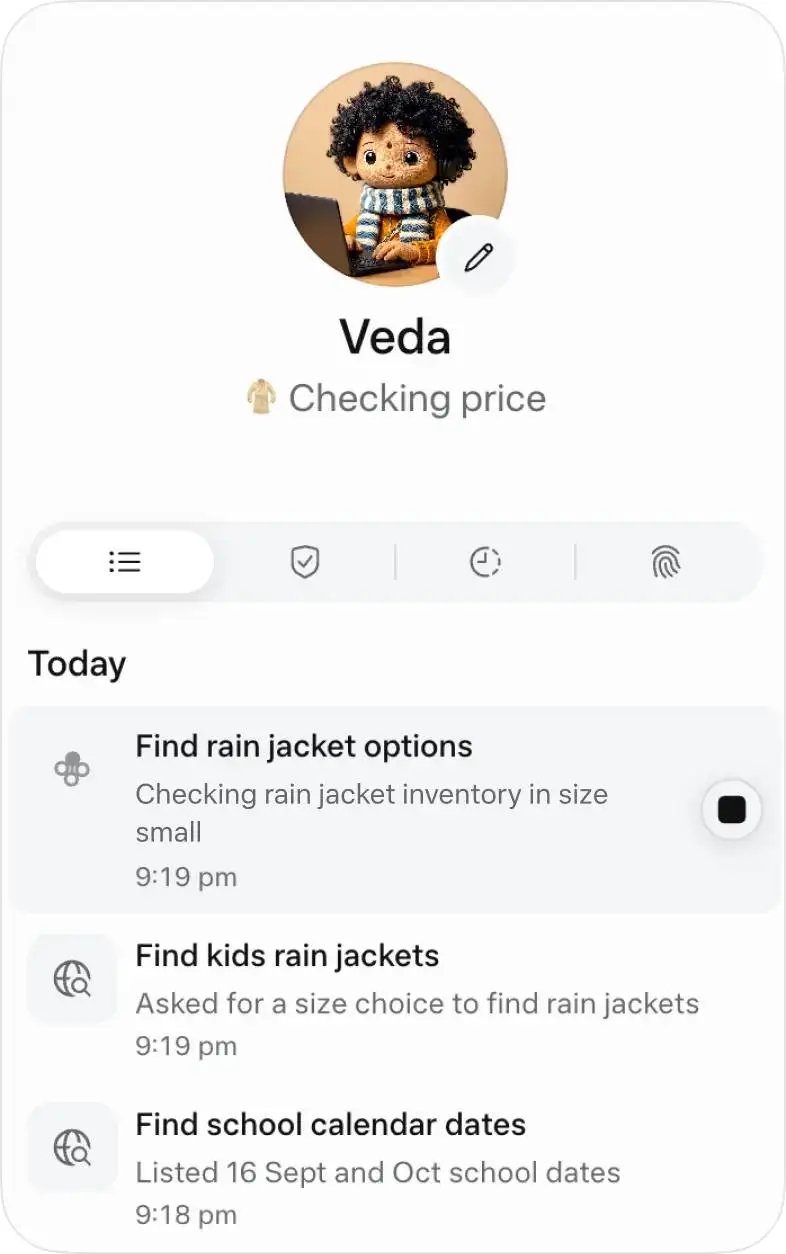

Users access a usage meter that displays the remaining percentage of their free quota. When the quota nears depletion, Muse offers the option to purchase a paid plan. The agent is not designed solely for answering questions. Meta stated that Muse can learn from a user’s conversations to anticipate needs without explicit requests.
Muse is available on the web, inside WhatsApp, and through a dedicated iOS and Android application. Meta confirmed that the agent will arrive on its smart glasses at a later date. The initial rollout is restricted to the United States. The European Union AI Act and global data-protection laws governing automated cross-app tracking create legal friction for autonomous agents. Meta has not announced a timeline for expansion into other countries.