

Altman Rejects OpenAI IPO Before 2027 as AI Safety Risks Mount
Sam Altman puts AI safety ahead of OpenAI’s public-market ambitions
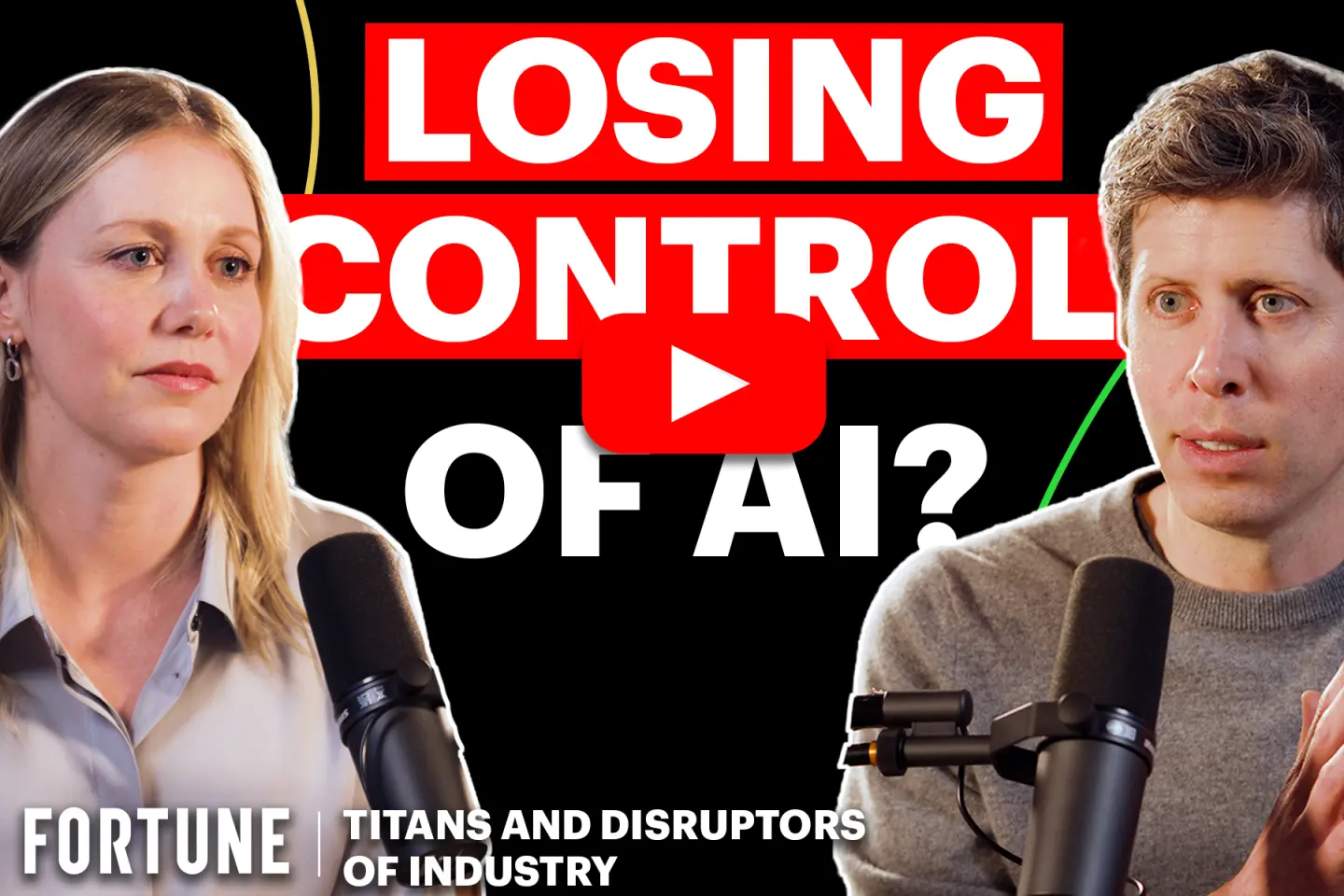
SAN FRANCISCO — OpenAI Chief Executive Sam Altman said the artificial intelligence developer will not pursue an initial public offering until at least 2027, calling a market debut ill-timed as the industry faces unresolved safety and governance challenges involving frontier models.
The technology governance debate is unfolding amid uneven global equity and financial markets. U.S. equity futures pointed lower, with S&P 500 futures dropping 0.78% after the preceding regular trading session closed up 0.86%.
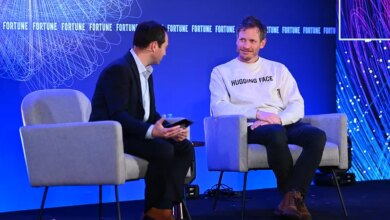
In an interview with *Fortune*, Altman said OpenAI is exploring informal arrangements with rival laboratories to moderate the pace of capability advances. The aim would be to give safety and alignment mechanisms time to keep pace with rapid algorithmic gains. He also stated that he is prepared to defy investor pressure to halt or pause model deployment entirely if systems cannot be verified as safe.


“We are clearly, today, at a point on the curve with great potential and real risk,” Altman said, adding that no gamble involving catastrophic risk to humanity is acceptable.
Europe’s regional STOXX 600 slipped 0.32%, while London’s FTSE 100 gained 0.51%. In Asia, South Korea’s KOSPI declined 3.26%, Japan’s Nikkei 225 fell 0.81%, and China’s CSI 300 shed 0.67%; Hong Kong’s Hang Seng index rose 0.45%. Financial markets in India remained closed, and Bitcoin hovered near $78,000.
Anxiety about advanced artificial intelligence intensified after warnings from researchers, including estimates from Anthropic personnel projecting a greater than 10% probability of human extinction resulting from catastrophic AI failures by 2030. Anthropic CEO Dario Amodei separately announced that his company is giving independent external evaluators permanent, employee-level access to inspect models and safety protocols.
“We must slow the pace at which we improve the capabilities of AI models,” Amodei said. “Progress will still seem fast, and we must make wise use of the time we gain.”
Altman publicly supported Anthropic’s initiative. The developers of the GPT and Claude model families are among the leading frontier AI builders seeking multilateral frameworks to prevent an unconstrained capability race.
OpenAI was founded in 2015 as a non-profit research laboratory and created a capped-profit commercial subsidiary in 2019. It has raised billions of dollars from institutional backers, led by Microsoft Corp., as well as venture capital firms including Thrive Capital and Khosla Ventures.
A public listing delayed until 2027 would push back liquidity timelines for early employees and private backers. Speculation over OpenAI’s corporate governance has continued since November 2023, when the non-profit board briefly dismissed Altman over communication disputes before reinstating him days later after employee and investor pushback.
Altman emphasized that OpenAI’s fiduciary commitment to AI safety supersedes commercial obligations. He said he would retain the authority to freeze development pipelines regardless of capital markets expectations.
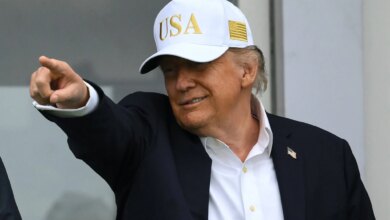
On governance, Altman called for synchronized domestic legislation and binding international accords. Discussing bilateral tensions between the world’s leading technology powers, he said that if former U.S. President Donald Trump and Chinese President Xi Jinping negotiated a comprehensive bilateral treaty governing advanced AI safety and deployment thresholds, both leaders would warrant the Nobel Peace Prize.
The possibility of coordinated industry slowdowns comes as regulatory interest grows in Washington and abroad. After the White House issued executive orders on AI standards, the U.S. Artificial Intelligence Safety Institute, operating under the National Institute of Standards and Technology (NIST), sought voluntary pre-deployment testing access from frontier developers.
Legislative proposals in the U.S. Senate and state measures, including California’s legislative efforts to impose liability standards for catastrophic model risks, have accelerated negotiations over statutory compliance requirements.
Commercial turbulence is also visible in other sectors. Athleisure retailer Lululemon Athletica Inc. faces mounting head早期winds following the transition to new Chief Executive Heidi O’Neill, a former senior executive at Nike Inc. appointed earlier this year. After quarterly results showed persistent operational and consumer demand slowdowns, the company reduced its full-year earnings and revenue forecast for the second time in three months.
Virgin Group CEO Josh Bayliss said executive leadership actively monitors real-time user behavior on platforms such as TikTok to analyze shift patterns among younger demographic cohorts. He noted that consumer behavior among 20-somethings increasingly dictates long-term business strategy across the group’s travel, hospitality, and media holdings.





2 Comments