
Stablecoin Caps and Prediction-Market Shutdowns Reshape Crypto Oversight
Stablecoin rules tighten as prediction platforms face shutdown orders and institutional crypto firms pursue public listings

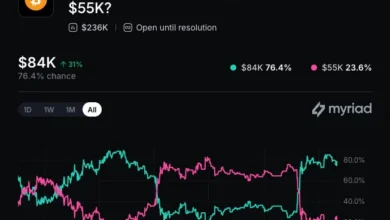
Bitcoin rose 1.5% to $92,000, while Ethereum increased 1% to trade at $3,130. Solana advanced 2% to $142, and XRP gained 1% to reach $2.06 as major digital currencies mirrored gains in the commodities market.
Across broader financial markets, precious metals reached unprecedented price levels following news of an ongoing federal investigation involving Federal Reserve Chair Jerome Powell. The investigative developments sparked a flight to safe-haven assets, pushing spot prices for both gold and silver to record highs.
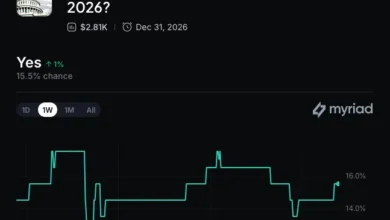
The U.S. Senate released draft federal legislation titled the Crypto Market Clarity Act. The bill seeks to establish comprehensive operational rules for digital asset issuing companies and trading intermediaries, while placing explicit caps on stablecoin reward programs to restrict platforms from offering high-yield interest accounts to retail depositors.


Ethereum co-founder Vitalik Buterin warned about the industry’s reliance on centralized fiat-backed tokens. He emphasized that the ecosystem requires robust, decentralized stablecoins and pointed to risks involving governance capture, centralized smart contract administration, and systemic exposure to fiat currency inflation.
Senator Elizabeth Warren separately urged the U.S. Securities and Exchange Commission to scrutinize the inclusion of cryptocurrencies in 401(k) retirement plans. Warren argued that exposing retirement accounts to volatile digital assets places long-term savings at unacceptable risk, echoing earlier cautions from the Department of Labor regarding fiduciary responsibilities for plan sponsors offering digital tokens.
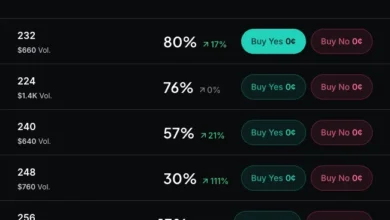
Regulators in Tennessee issued cease-and-desist orders against Polymarket, Kalshi, and Crypto.com. The companies were directed to halt their sports prediction market offerings within the state and process full refunds for impacted consumers. The orders form part of an ongoing multi-state regulatory dispute over whether binary event contracts and prediction markets fall under federal commodity regulations or state gambling laws.
Institutional infrastructure providers have continued advancing plans to tap public equity markets. Digital asset custody provider BitGo submitted filings for an initial public offering in the United States, targeting a valuation of approximately $2 billion. Founded in 2013 by Chief Executive Officer Mike Belshe, BitGo reached the IPO milestone as its total assets under custody surpassed $100 billion, driven by institutional demand for regulated digital asset safekeeping and trust services.
Capital activity also expanded within decentralized financial applications. World Liberty Financial launched a decentralized lending platform constructed around its USD1 stablecoin, drawing roughly $20 million in capital inflows shortly after deployment. In a recent industry interview, SharpLink Gaming Chief Executive Officer Joseph Chalom detailed the company’s operational strategy and integration of digital asset capabilities.
Top price gainers were led by privacy networks, scaling protocols, and speculative meme tokens. Monero (XMR), a privacy-centric cryptocurrency utilizing cryptographic ring signatures, surged 13% to achieve a record high of $680 before consolidating to $640. Legacy payments network token Dash rallied 60%, while Story Protocol’s IP token rose 30%. Among speculative micro-cap assets, the meme-focused token PsyopAnime recorded a 30-fold price surge.