

Alex Turner Leaves Google DeepMind Over Pentagon AI Pact
Inside the networks backing AI employees who speak out
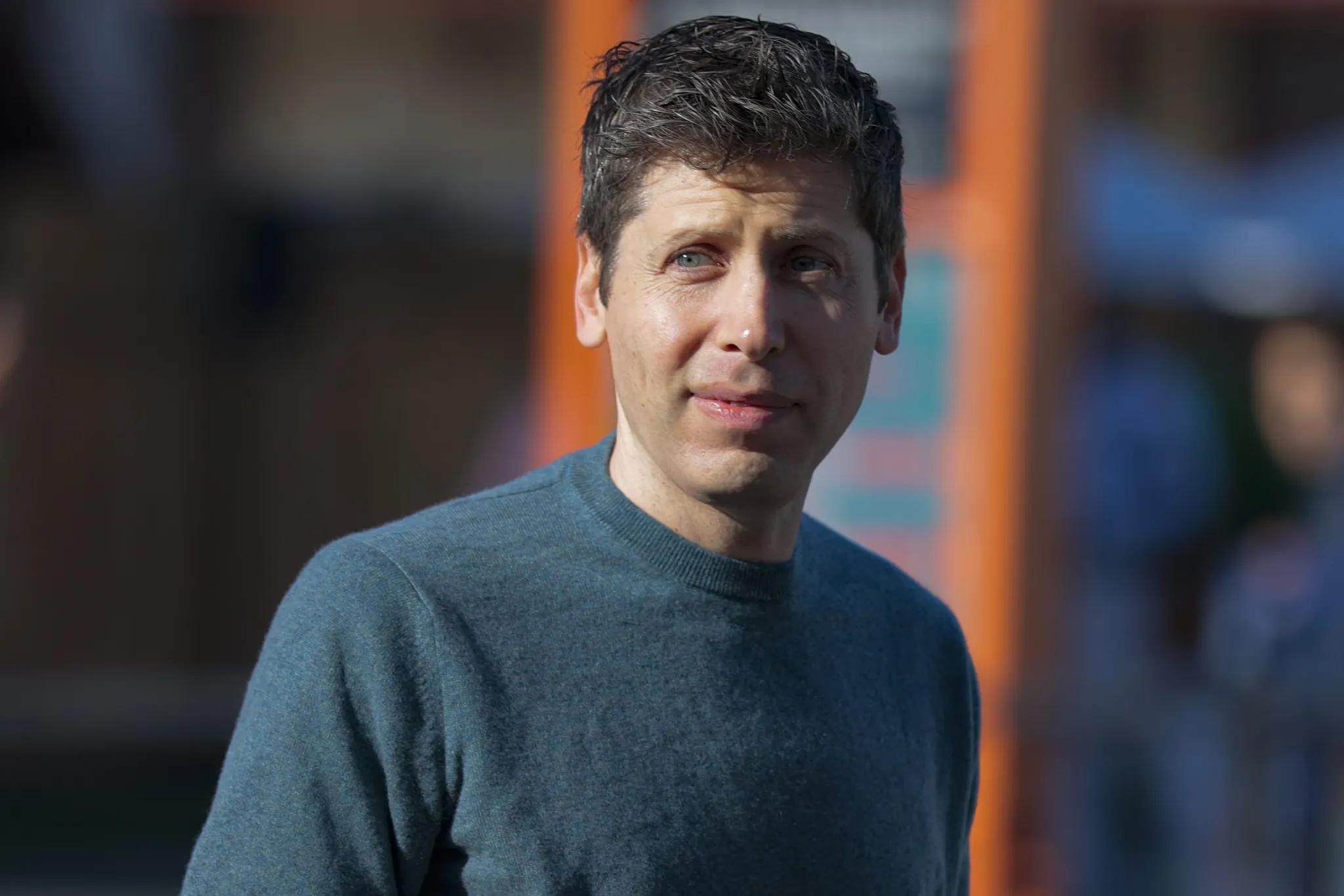
Alex Turner has departed Google DeepMind following the company’s decision to sign an artificial intelligence agreement with the Pentagon that restricts its terms to “all lawful use.” Turner, who previously held a research scientist position at the lab, is now working as an independent AI alignment researcher.
The departure marks a notable moment in the growing friction between AI developers and defense-sector partnerships. The clause at the center of Turner’s resignation has drawn scrutiny from safety advocates who argue that broad “lawful use” language can shield military applications from the ethical constraints researchers typically advocate for within commercial AI product development.
Turner’s academic background provides the theoretical foundation for his concerns. His doctoral research examined why advanced AI systems might pursue power, a core question in the field of AI alignment that asks whether machine objectives can be made to reliably match human intent. That work positioned him to evaluate the long-term risks associated with deploying sophisticated models in defense contexts.


His exit coincides with an expanding infrastructure designed to protect insiders who raise similar alarms. Amber Scorah, founder of Back Channel, has spent years leading whistleblower support organizations and connecting employees, lawyers, and advocacy groups. Her initiative focuses on helping AI workers turn private concerns into meaningful public action rather than allowing them to be resolved internally without change.
Parallel to this effort, Karl Koch leads The AI Whistleblower Initiative, an independent non-profit aimed at strengthening the position of employees in frontier AI companies. Koch, a former startup founder, has worked in AI safety since 2016. The organization provides connections to support, education, and policy resources for staff navigating the pressure to stay silent about technical risks.
The emergence of these support channels reflects a shift in how the industry handles internal dissent. Historically, employees who flagged safety issues faced professional isolation or termination without external recourse. The organizations founded by Scorah and Koch attempt to fill that gap by offering legal and strategic guidance before concerns are ever made public.
For researchers like Turner, the distinction between commercial safety standards and defense contracts is often the breaking point. While commercial AI firms frequently publish ethical principles, defense agreements operate under different oversight frameworks. Turner’s move from a research scientist role to independent research suggests a preference for external accountability over continued employment within a contracted system.
The AI Whistleblower Initiative continues to expand its policy work, engaging with lawmakers on protections for technology workers. Meanwhile, Turner remains active as an independent researcher evaluating the trajectory of advanced systems and their interaction with government procurement.








