South Korea Bypasses Seoul With Five Airport Tourism Hubs
Airlines and Asian governments target secondary cities as Seoul struggles with concentrated visitor growth
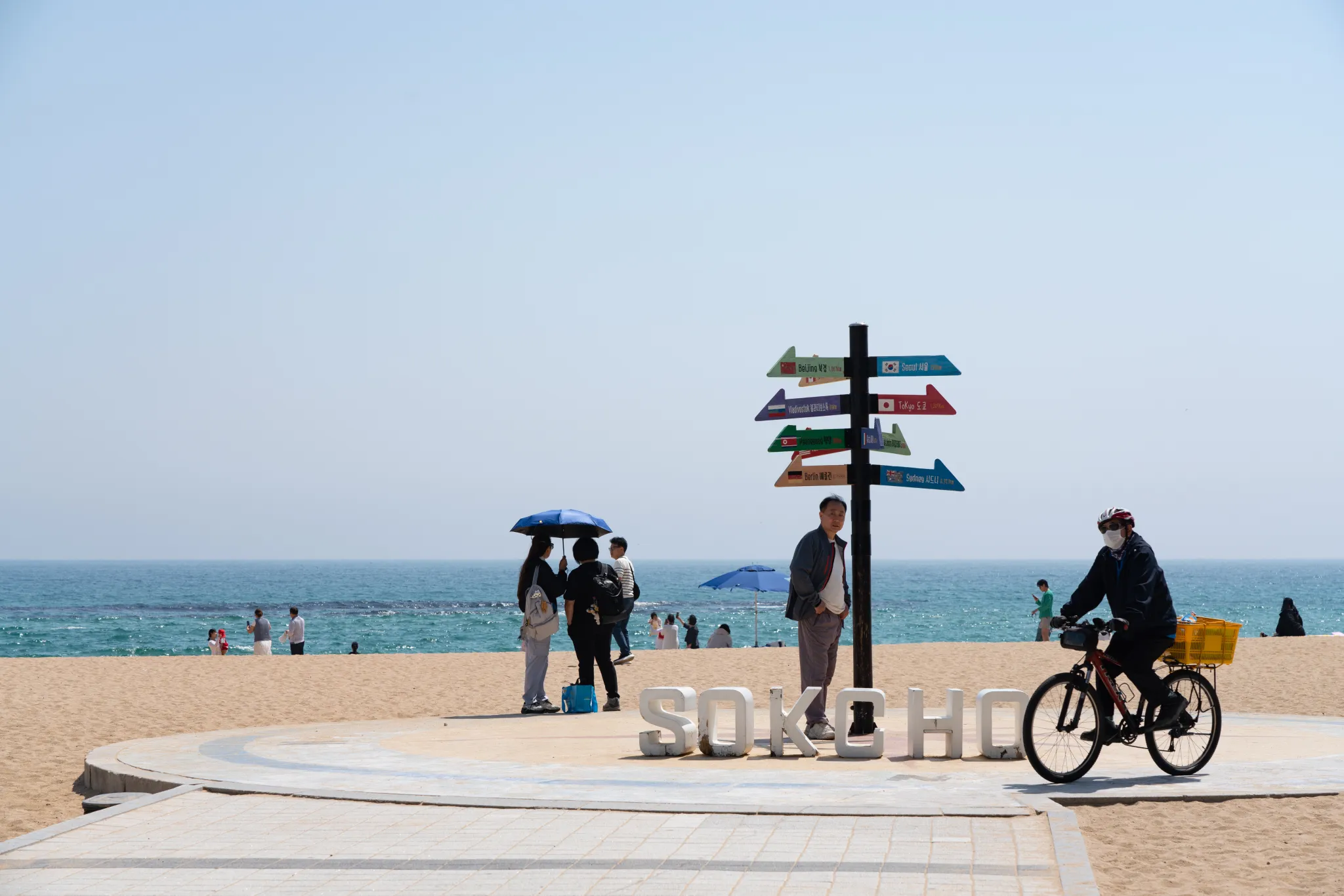
South Korea will build five tourism hubs anchored by regional airports to funnel its record 18.9 million foreign visitors away from the capital, Vice Minister of Culture, Sports and Tourism Daehyun Kim announced Oct. 16 at the Global Tourism Economy Forum in Macau.
The infrastructure push targets Gimhae, Daegu, Cheongju, Muan and Yangyang airports. Only one-third of international arrivals currently travel outside Seoul and its surrounding metropolitan area, Kim said. The government wants tourists landing directly into those five cities rather than transiting through Incheon or Gimpo.
Visitor numbers hit 18.9 million in 2025, breaking the 17.5 million peak set in 2019 before the pandemic. Neighborhoods like Itaewon and Seongsu-dong absorbed most of that traffic. Spreading those arrivals is now a structural economic priority for provincial governments facing demographic decline.


Seoul is also tying the K-wave to rural destinations. Filming locations, local festivals and regional cuisine are being packaged as exclusive experiences. Over the past 13 years, more than 1,400 tourism-related local businesses—including accommodations, restaurants and tour programs—have opened across 147 regions, according to Kim.
Airlines are already repositioning for this shift. Capital A CEO Tony Fernandes said his biggest destinations are no longer capital cities like Delhi or Mumbai, but secondary and tertiary cities.
“The GDP of these cities is growing much quicker than the capital cities—there’s a lot of disposable income, and a lot of these populations have not been connected,” Fernandes said during a panel discussion at GTEF.
Fernandes cited a request from the governor of Guangdong province to launch flights to Shantou. The city has five million residents. Capital A now operates three daily flights there from Kuala Lumpur.
China is pushing a similar “one journey, multiple stops” model, according to Pansy Ho, chairperson and executive director of MGM China. Travelers are bypassing Beijing and Shanghai for Chengdu and Chongqing, which recently went viral on social media platforms as China’s “cyberpunk city.”