AI Tools Drain Gaming VC as Studio Funding Hits 9-Year Low
Q3 growth-stage funding plummeted to $269.4 million while AI infrastructure startups captured the largest venture rounds.
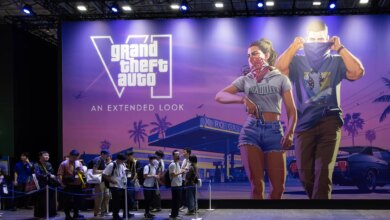
Venture capital flowing into gaming content startups collapsed to $270.7 million in the third quarter of 2026, marking the lowest quarterly total since late 2017, according to PitchBook data. Investors are no longer funding game studios or betting on hit titles. The money has moved almost entirely to artificial intelligence infrastructure companies building tools for the industry.
The shift represents a structural break from how Silicon Valley historically funded interactive entertainment. During the mobile gaming boom of the early 2010s and the live-service expansion that followed, venture firms routinely wrote large checks to developers and publishers chasing blockbuster returns. That model has stalled. Total year-to-date deal value across the sector reached $13.7 billion spread over 430 deals, PitchBook reported, but the composition of those transactions reveals an industry being reclassified by its financiers.
Early-stage venture activity accounted for 54.5% of all deal value in the third quarter, a sharp increase from just 14.1% in the first three months of the year. Growth-stage funding cratered simultaneously, dropping to $269.4 million in Q3 from $2.3 billion in Q2.


The largest individual rounds went exclusively to AI developers rather than traditional game makers. California-based Meshy, which generates 3D assets using machine learning, closed a $400 million round. Higgsfield, an AI video generation startup also headquartered in California, matched that figure with a $400 million raise of its own. Neither company operates primarily as a gaming studio; both function as technology vendors selling what investors increasingly view as essential infrastructure.
China produced four of the largest gaming-adjacent funding rounds during the period. Shengshu Technology, a developer of world models and AI video platforms, secured $500 million. These massive injections of capital further illustrate that global investors are treating interactive media as a software engineering problem rather than a creative one.
The pivot away from content carries immediate consequences for independent developers. Studios without proprietary technology now face a funding environment comparable to the post-2022 market correction, when rising interest rates forced venture firms to abandon speculative bets on unproven intellectual property. Hardware manufacturers are feeling similar pressure. Microsoft’s Xbox division continues to navigate mounting challenges tied to high development costs and shifting consumer habits, as previously reported by the Wall Street Journal.
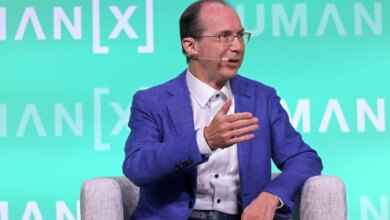
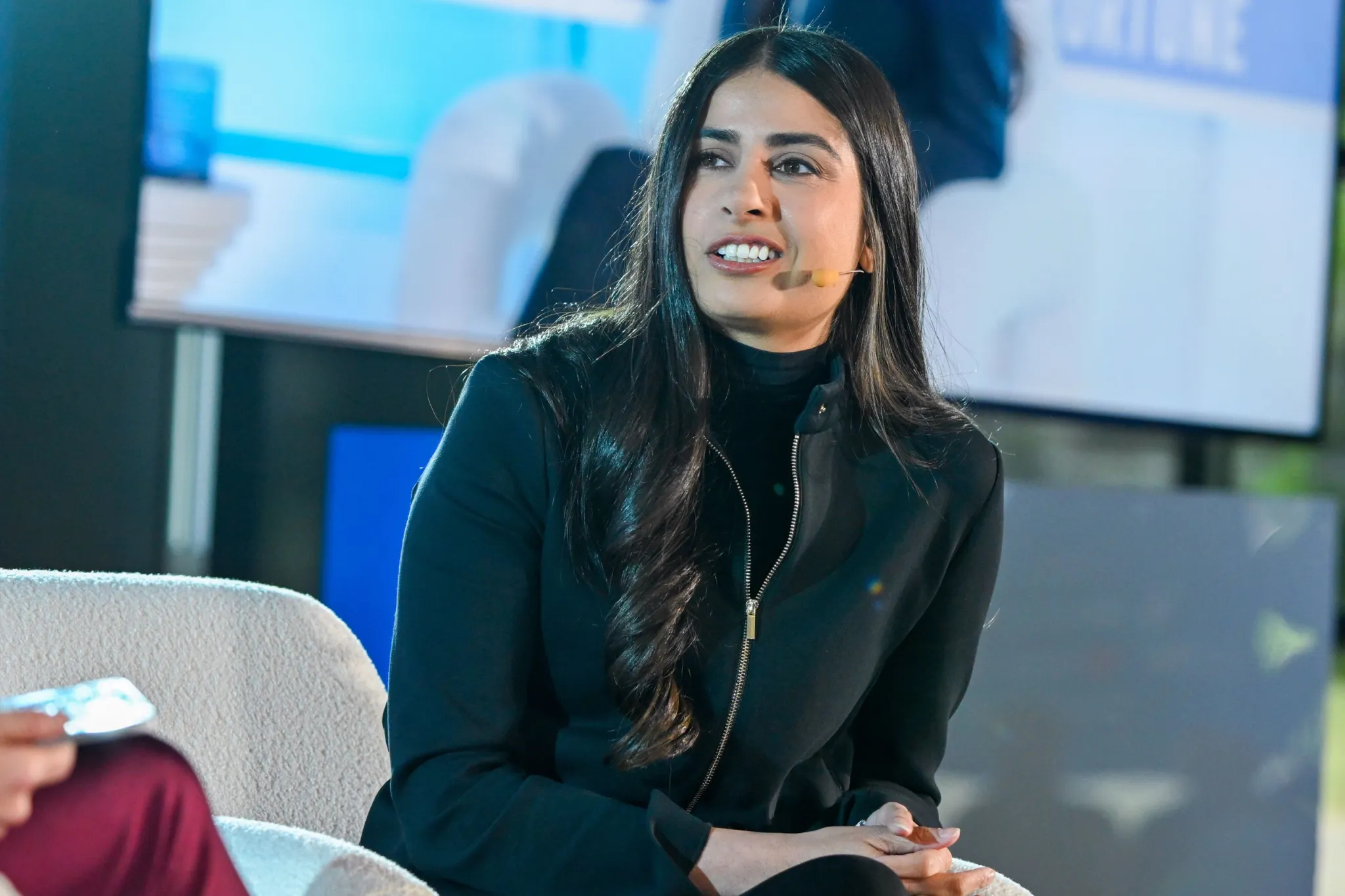
Xbox CEO Asha Sharma pushed back against the idea that the platform would abandon its core identity to chase the current hype cycle. Speaking at Fortune Brainstorm Tech this summer, Sharma said the company would not undergo a radical rebranding. “This is definitely not an Allbirds moment where we’re going to turn into xbox.ai,” she told Fortune’s Allie Garfinkle onstage.
In broader venture markets outside gaming, AI hardware continued to draw heavy investment. Salience Labs, an Oxford, U.K.-based developer of photonic chips for data center infrastructure, raised $125 million in Series B funding led by Bullhound Capital, with participation from AMD Ventures, Intel Capital, and SBI Group.
RapidCanvas, an Austin, Texas-based managed AI execution company, closed a $29 million Series B led by Vertex Ventures SEA & India alongside Hitachi Ventures.
On the private equity front, Greybull Stewardship acquired Mid-West Textile, an El Paso, Texas-based used textile collection and recycling company, for undisclosed terms. Vista Equity Partners agreed to buy the Public Key Infrastructure business unit of HID, an Austin-based identity solutions provider.
City Therapeutics, a Cambridge, Mass.-based developer of RNAi therapeutics, raised $200 million through an initial public offering of 11.1 million shares priced at $18.