States Weigh Lawsuits Against Congress Over National Debt
Former Comptroller General David Walker and economist Steve Hanke argue states have legal standing to challenge federal borrowing.
A coalition of fiscal policy advocates is urging state attorneys general to file federal lawsuits against Congress, arguing that decades of unchecked borrowing have violated constitutional limits on government spending. The push, led by former U.S. Comptroller General David M. Walker and Johns Hopkins University applied economics professor Steve H. Hanke, centers on a legal theory that states bear direct financial injury from Washington’s debt accumulation.
Walker, who headed the Government Accountability Office from 1998 to 2008, and Hanke are directing the Federal Fiscal Sustainability Foundation, an organization pressing for both a statutory fiscal commission and a constitutional amendment mandating balanced budgets. The two outlined their litigation strategy in a column published by Fortune.
The national debt surpassed $35 trillion earlier this year. Interest payments alone now consume more than $1 trillion annually, according to Treasury Department data — a figure exceeding total defense spending for the first time since the early 1990s. States argue these costs suppress federal transfers for Medicaid, infrastructure, and education while exposing state pension funds to macroeconomic instability.


No state has successfully sued the legislative branch over fiscal policy. A 2019 attempt by Maryland and the District of Columbia to litigate presidential emoluments claims was dismissed on standing grounds before reaching the Supreme Court. Legal scholars note that establishing Article III standing requires proving concrete, particularized harm rather than generalized taxpayer grievances — a threshold federal courts have historically set high.
Hanke and Walker contend the scale of current deficits changes that calculus. They point to rising state borrowing costs tied directly to federal credit downgrades, including Fitch Ratings’ 2023 decision to strip the United States of its top-tier AAA rating. That downgrade increased yields on municipal bonds across several states within weeks, according to market data tracked by Bloomberg.
The foundation is also promoting Public Debt Sustainability: International Perspectives, a 2022 volume co-edited by Hanke alongside Barry W. Poulson and John Merrifield and published by Lexington Books. Walker recently co-authored Saving Social Security and America’s Future: Common Sense Solutions with Joe Penland, Sr., focusing on entitlement reform as a parallel track to litigation.
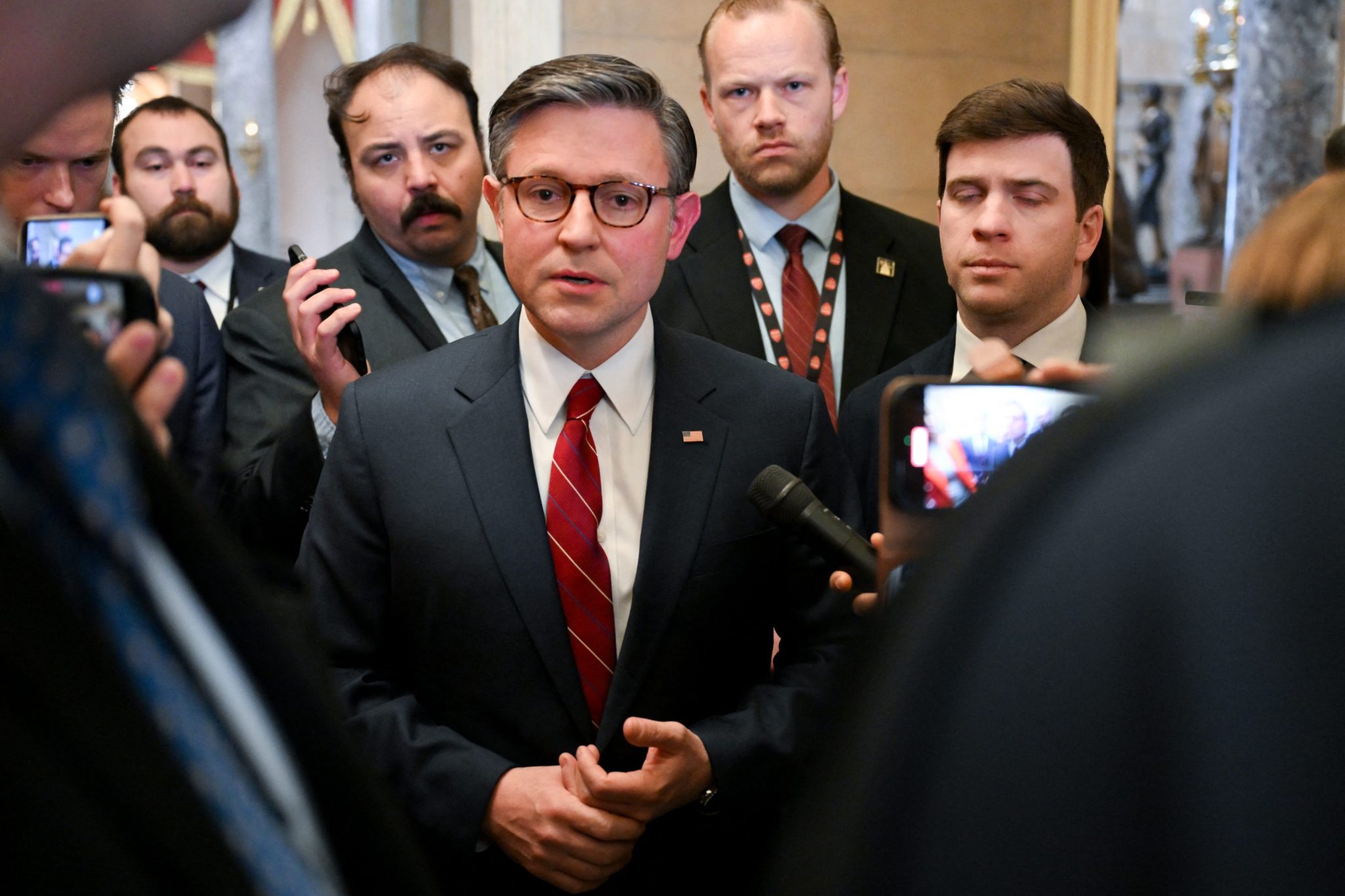
Congressional leadership has not responded to the proposed lawsuits. The House Budget Committee held no hearings this session on establishing a statutory fiscal commission, despite bipartisan bills introduced in both chambers during the previous Congress. Senate Majority Leader Chuck Schumer and House Speaker Mike Johnson have prioritized discretionary spending caps over structural debt mechanisms in recent negotiations.
State-level momentum remains uneven. Attorneys general in Texas and Florida have signaled interest in exploring legal avenues to challenge federal fiscal practices, though neither office has filed formal complaints. Other states, particularly those reliant on heavy federal funding streams, have declined to participate.