Hyundai Plans Humanoid Robots for U.S. Plants by 2028
Humanoid robots and digital twins will support a planned capacity increase to 500,000 vehicles annually at the Georgia Metaplant.
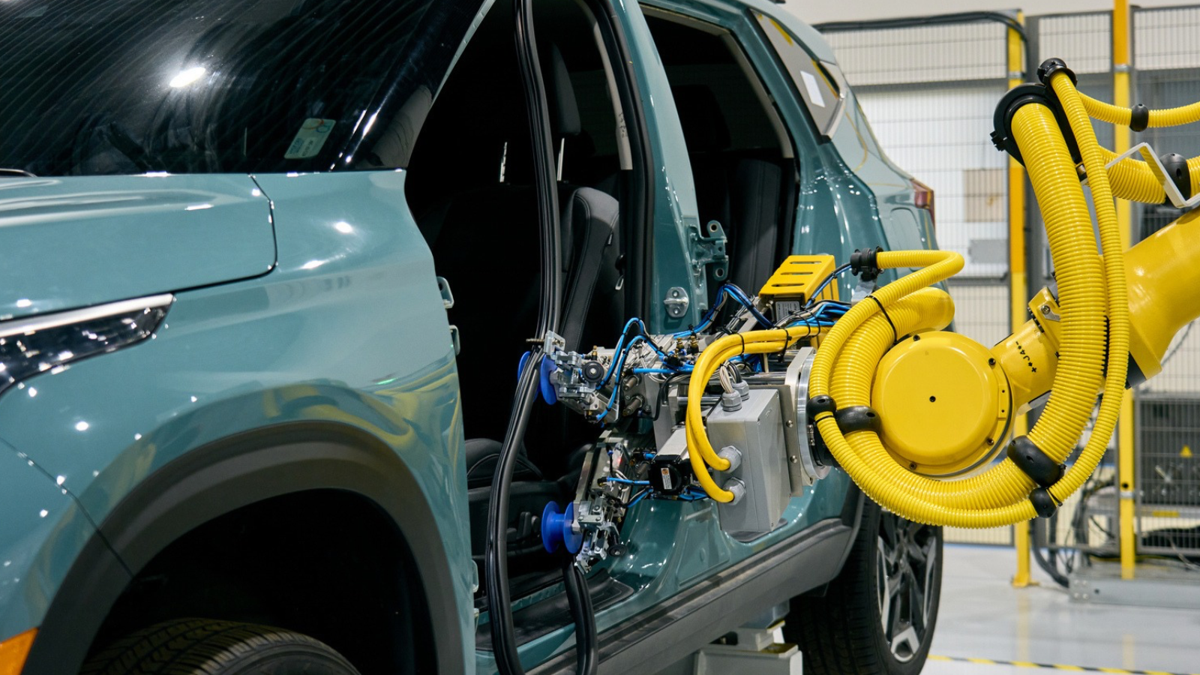
Hyundai Motor Group intends to deploy humanoid robots and artificial intelligence systems at its U.S. factories in Alabama and Georgia, according to a company press release issued during its E-Forest Tech Day event in South Korea. The rollout targets 2028, coinciding with plans to expand annual production capacity at the Georgia Metaplant from 300,000 to 500,000 vehicles.
The Korean automaker — now the world’s third-largest by sales behind Toyota and Volkswagen — showcased roughly 200 manufacturing technologies under its E-Forest smart factory brand. Central to the initiative is what Hyundai calls software-defined factories (SDFs), which rely on real-time data processing rather than traditional assembly-line scheduling.
A key component of that infrastructure involves digital twins, virtual replicas of physical plants used to simulate production runs and troubleshoot mechanical failures before they halt an actual line. To build these environments, Hyundai has partnered with NVIDIA, which maintains similar manufacturing and automated driving partnerships with Volvo and other global automakers.


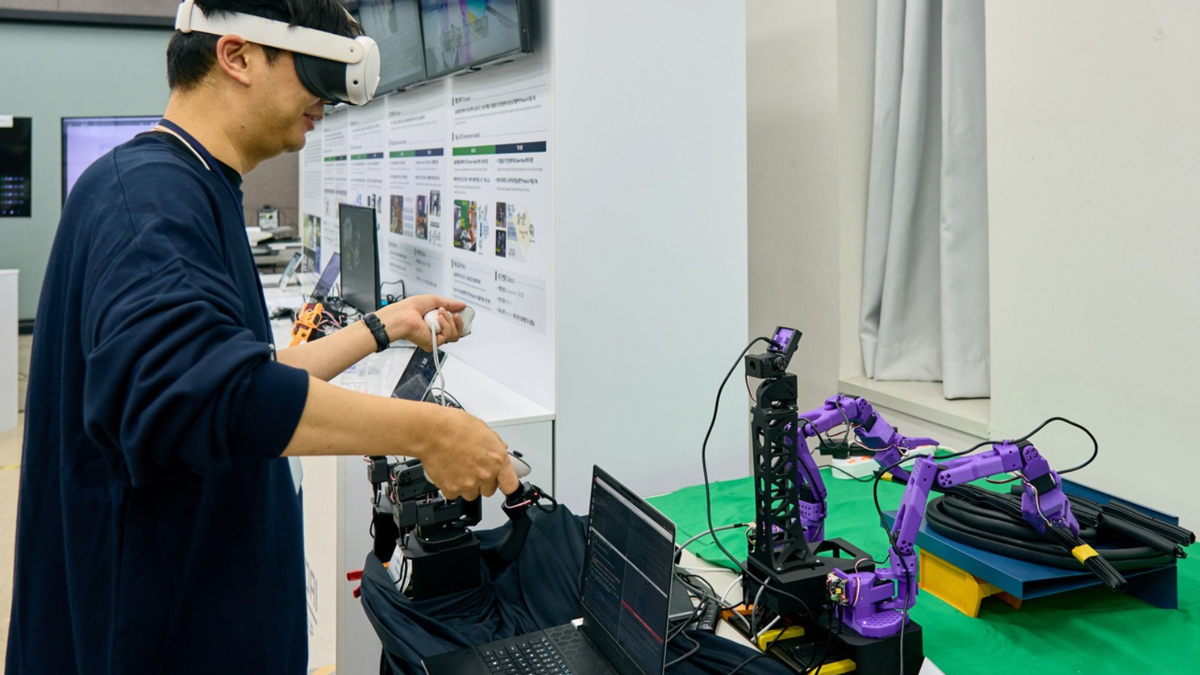
The robotics push centers on Atlas, a humanoid machine slated to begin working inside factories in 2028. Its development parallels Tesla’s Optimus program, though Hyundai’s timeline places it directly into active vehicle assembly rather than pilot testing. Kia separately confirmed it already uses Apple Vision Pro headsets to accelerate its vehicle design process.
These deployments carry financial and operational exposure. Retrofitting legacy equipment for SDF architecture requires substantial capital investment. Networked production floors also introduce cybersecurity vulnerabilities. Jaguar Land Rover experienced this firsthand last year when a cyberattack forced a major production disruption, later described as the most economically damaging cyberattack in U.K. history.
Labor friction presents another variable. Hyundai’s labor union has publicly warned that integrating AI and robots like Atlas will trigger “employment shocks,” raising the prospect of contract disputes as the automaker attempts to scale automation across its domestic and overseas workforce while introducing more than 100 new and updated models by 2030.
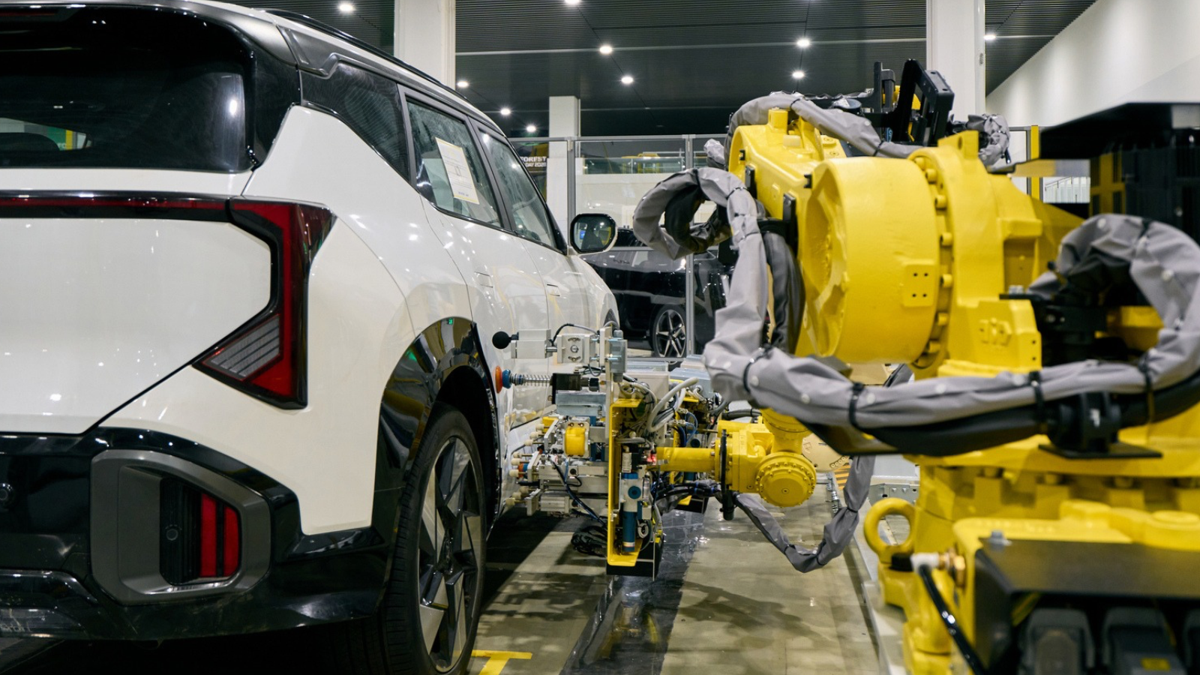
The E-Forest Tech Day event continues this week, serving as a venue for Hyundai and Kia to coordinate implementation schedules with their technology partners.