AI Burnout Spike Forces Employers to Rethink Productivity Gains
Dropbox introduces puzzles and analog off-sites while Bristol Myers Squibb develops a well-being quotient to split automation gains.
U.S. workers who rely heavily on artificial intelligence are burning out faster than those who don’t, according to 2026 data from Quantum Workplace. The finding is pushing major employers to abandon strict return-on-investment metrics and experiment with cognitive training, revised productivity splits, and device-free off-sites to prevent workforce deterioration.
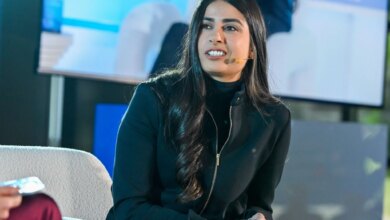
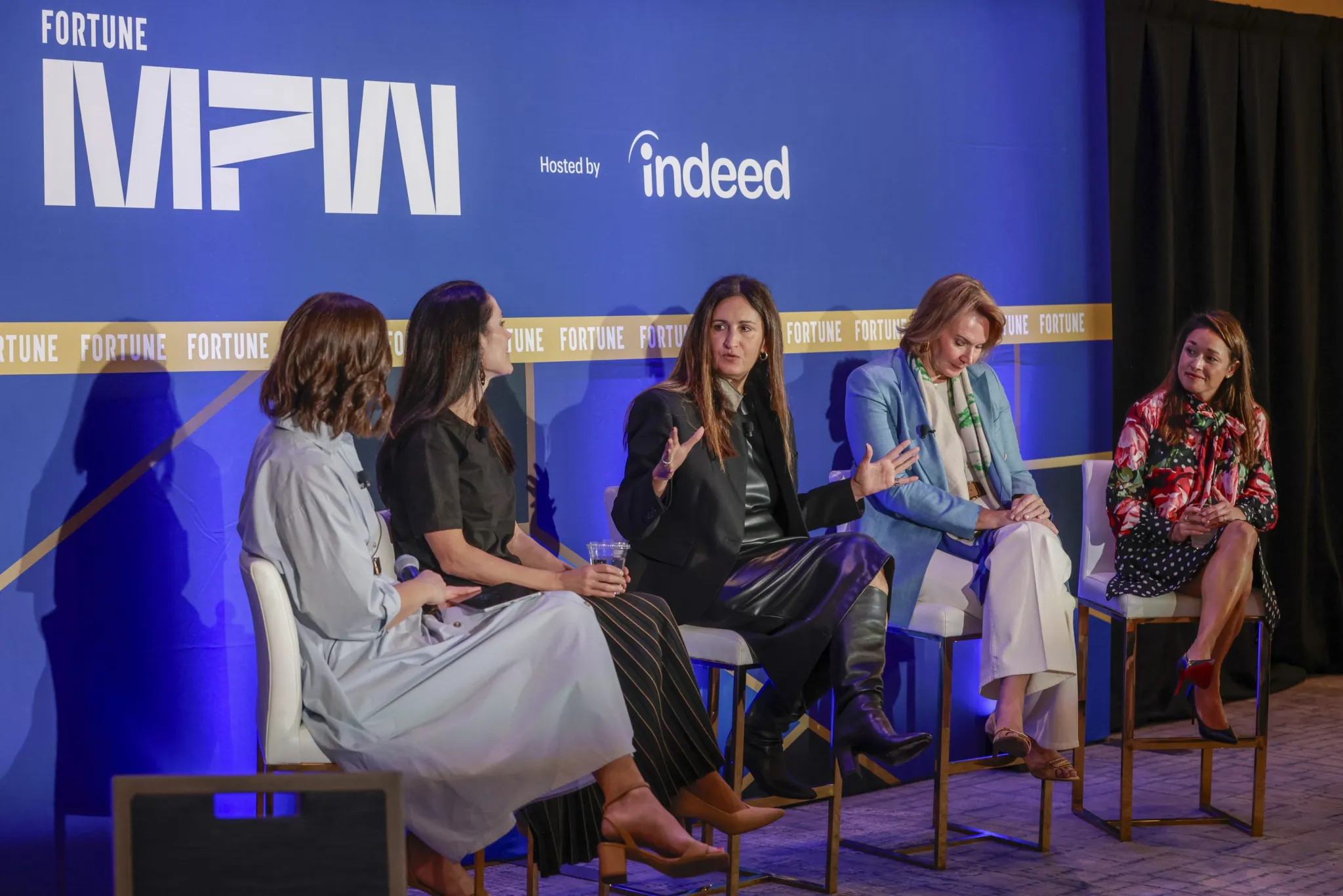
Athina Kanioura, global chief strategy and transformation officer and CEO of PepsiCo Latin America, warned against demanding a financial justification for every AI deployment. Speaking at the Fortune Most Powerful Women conference last week alongside executives from Indeed, Dropbox, and Bristol Myers Squibb, Kanioura called the relentless pursuit of ROI “death by a thousand cuts,” arguing that rigid business cases blind companies to unquantifiable workplace damage.
The efficiency numbers are already massive. Indeed Chief Revenue Officer Maggie Hulce said software engineers at the company write 50% more code using AI tools, freeing up six hours per worker each week. Rather than filling that gap with additional output quotas, Hulce said the company is directing the recovered time toward creative thinking and invention.


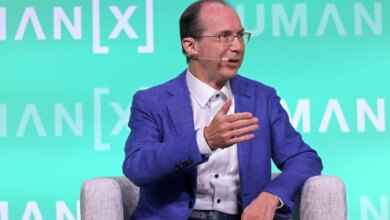
Dropbox is treating the problem as a neurological risk. Chief People Officer Melanie Rosenwasser said the $8 billion cloud storage firm is actively monitoring employees for “cognitive atrophy”—a decline in mental sharpness tied to outsourcing complex thought processes to machines. Referencing research from MIT professor Eric So, Rosenwasser stated flatly: “When you outsource your thinking to AI, you become less intelligent in the process.”
To counteract the effect, Dropbox introduced memory exercises, attention-span training, and puzzles into its workflow. The company also ran device-free “analog” off-sites and hired a breathwork specialist specifically for its executive team.
Bristol Myers Squibb is attempting to formalize the division of AI-generated surplus. Executive Vice President and Chief People Officer Amanda Poole said the pharmaceutical giant is developing a “well-being quotient” to dictate exactly how much automated efficiency returns to the corporate bottom line versus how much goes back to employees recovering from “joyless” administrative tasks.
“Let’s say we’re going to get 20% productivity [with AI]: What part are we going to take back as a company, and what part are we going to give back?” Poole said. She confirmed the formula remains unresolved.
This recalibration marks a sharp pivot from the 2023-2024 corporate rush to deploy generative AI primarily as a headcount reduction tool. Early adopters in the tech and logistics sectors quickly discovered that stripping human oversight from automated workflows generated compounding error rates, forcing companies to rehire for roles they had just eliminated. The current focus on brain health and burnout suggests employers are now trying to avoid repeating that cycle with their remaining staff.
Reporting contributed by Emma Burleigh. This story was originally featured on Fortune.com.