

The $100 Billion Family Bet to Cut America’s Maternal Deaths
Private funding and bipartisan bills target America’s maternal care gaps
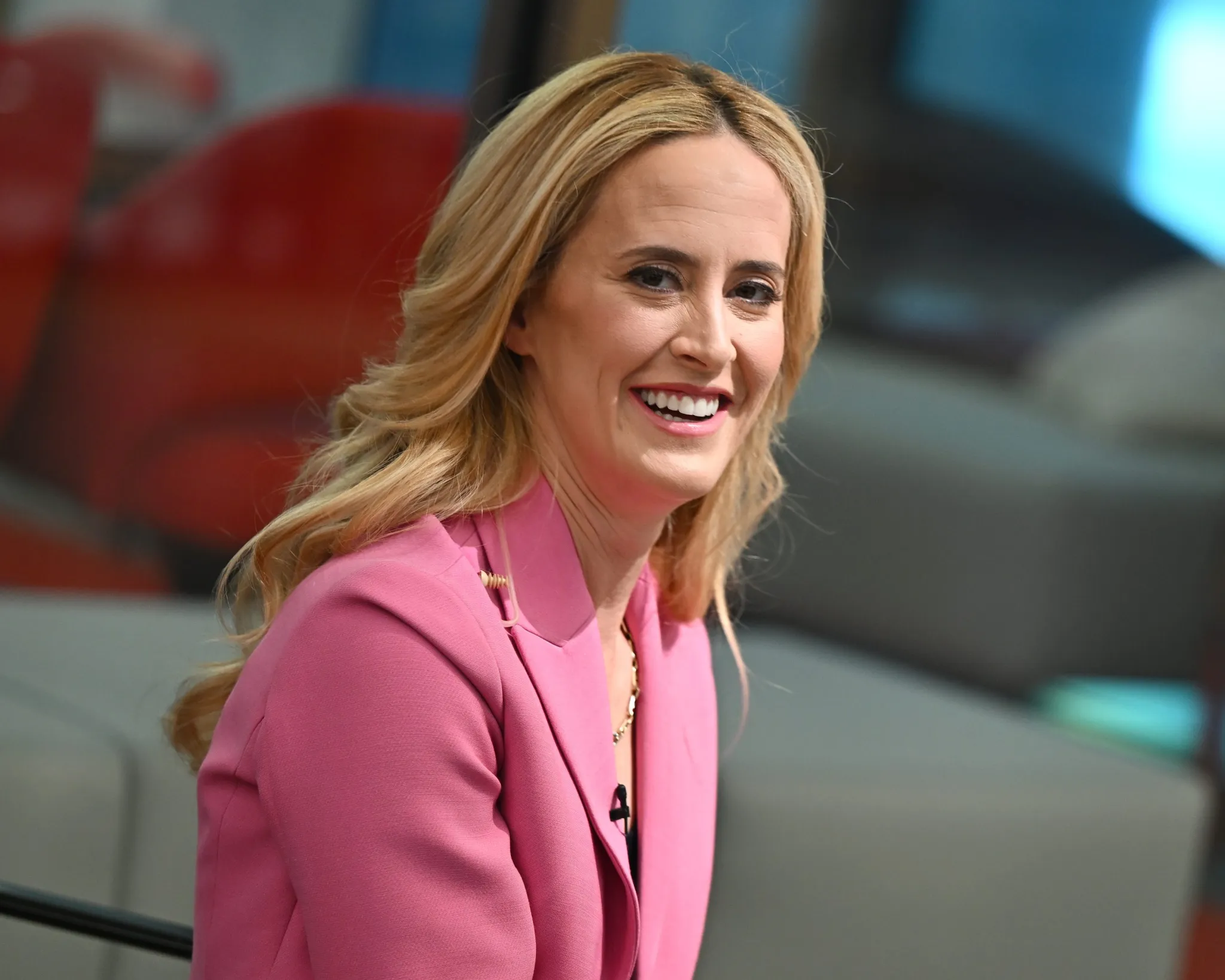
WASHINGTON — Olivia Walton launched Healthy Moms, Healthy Babies America (HMHBA) in May with a goal of halving the nation’s maternal mortality rate over the next five years. She and her husband, Tom Walton, have committed an initial $100 million over five years to the campaign, which is building a coordinated effort among policymakers, healthcare advocates, and private philanthropists.
The funding is designed to act as a financial catalyst rather than operate solely as direct aid. HMHBA intends to use it to draw matching public funds, secure state-level partnerships, and rebuild critical healthcare infrastructure. The campaign is also pushing for sweeping federal legislative reforms and public-matching grants.
According to the Centers for Disease Control and Prevention (CDC), the U.S. maternal mortality rate stood at approximately 19 deaths per 100,000 live births in 2023, with 669 recorded deaths. Maternal mortality in other high-income nations typically remains in the single digits per 100,000 births.


Black and indigenous communities face a disproportionate share of the crisis. CDC data shows that Black women experience a maternal mortality rate of 50.3 deaths per 100,000 live births, more than three times the rate recorded for white women. Rural hospitals have also continued to eliminate obstetric services, widening geographic disparities and forcing expectant mothers to travel long distances for basic prenatal and delivery care.
The postpartum period is particularly dangerous. HMHBA reports that two-thirds of maternal deaths occur in the year following childbirth, while 40% of mothers do not receive standard postpartum follow-up care. Under the American Rescue Plan Act of 2021, states were given the option to extend postpartum Medicaid coverage from 60 days to a full year. A majority of states have adopted the extension, though significant access issues persist.
“ The U.S. spends more money for worse outcomes on maternal health—far more than any other country in the entire world,” said Robin Reck, executive director of HMHBA, in a statement. “Eighty-seven percent of these deaths are preventable, and 65% of them happen after the baby is born.”
The economic costs have also been estimated by Heartland Forward, the nonpartisan think tank through which Walton launched the campaign. Its study estimated that poor maternal health outcomes cost the U.S. economy approximately $165 billion in 2020. Preventing half of these avoidable outcomes would yield annual savings of nearly $80 billion.
A standard, healthy, full-term delivery costs an average of $6,400, compared with an average of $238,000 for an extreme preterm birth requiring intensive care. March of Dimes data indicates that medical costs during the first year of life are roughly four times higher for preterm infants than for those born at full term.
“Nearly 90 percent of maternal deaths are preventable,” said Olivia Walton, who founded HMHBA in May. “We know what works, and states across the country are already proving it.”
The campaign’s federal agenda includes the Rural Obstetrics Readiness Act, sponsored by a bipartisan coalition of senators including Maggie Hassan (D-N.H.), Susan Collins (R-Maine), Katie Britt (R-Ala.), and Tina Smith (D-Minn.). The bill seeks to address “maternity care deserts” across rural America, where declining reimbursement rates and staffing shortages have forced hundreds of rural hospitals to shutter labor and delivery units over the last decade.
If enacted, the Rural Obstetrics Readiness Act would provide federal funding for specialized training, clinical equipment, and teleconsultation technology. Rural emergency facilities without dedicated obstetricians would use those resources to safely manage childbirth emergencies. The bill cleared the Senate Committee on Health, Education, Labor, and Pensions in July and is awaiting a full floor vote.
The second legislative priority is the NIH IMPROVE Act, co-led by Senators Britt and Cory Booker (D-N.J.). It would authorize seven years of dedicated federal funding for the National Institutes of Health’s “Implementing a Maternal health and Pregnancy Outcomes Vision for Everyone” (IMPROVE) initiative.
Launched to investigate the biological, behavioral, and systemic causes of pregnancy-related deaths, the IMPROVE program focuses heavily on reducing preventable mortality and addressing sharp demographic disparities. Congress has treated maternal health as a rare area of potential bipartisan alignment, while advocates have rallied behind both measures to address systemic gaps in underserved rural and minority communities.
A national poll of more than 1,000 registered and likely voters released in July found that 86% believe U.S. maternal health outcomes must improve. Another 79% said they would support political candidates who champion maternal care reforms. All 15 specific policy proposals tested in the poll won majority support among Democratic, Republican, and independent voters.
Walton launched HMHBA through Heartland Forward, a Bentonville, Arkansas-based “think and do” tank established by the Walton family in 2019 to address economic and social challenges across 20 states in the American middle. “It was more dangerous for me to give birth to my children than it was for my mother to give birth to me in the 1980s. That is inexcusable—and it is fixable,” Walton said.
The philanthropic initiative reflects a generational shift in the giving strategies of one of America’s wealthiest families. Tom Walton is the grandson of Walmart founder Sam Walton, and the family’s estimated 44% stake in the retail giant is valued at approximately $440 billion. Their collective philanthropy is positioned alongside historic American charitable dynasties such as the Rockefellers and Carnegies.
The family’s primary charitable vehicle has historically been the Walton Family Foundation, established in 1987 by Sam and Helen Walton. In 2024, the foundation distributed nearly $550 million in grants, primarily supporting environmental conservation, K-12 education reform, and regional development initiatives in Northwest Arkansas.
Tom Walton serves on the four-member board of the Walton Family Foundation, while he and Olivia Walton have increasingly directed their independent philanthropy toward arts, civic infrastructure, and women’s health initiatives. Olivia Walton succeeded Alice Walton as chairperson of the Crystal Bridges Museum of American Art in Bentonville and founded Ingeborg Investments, an investment firm focused on funding female-led startup companies. In 2021, the couple established a $1 million fund to support LGBTQ+ advocacy groups in Arkansas.
“America should be the safest place in the world to have a baby,” Olivia Walton said. “We have the evidence and we have the solutions. Now we need the urgency and investment to make them available to every mom, across the country.”