
Scotland, Wales and Northern Ireland Demand U.K. Breakup Plans
Devolved leaders challenge London as Trump endorses Irish reunification
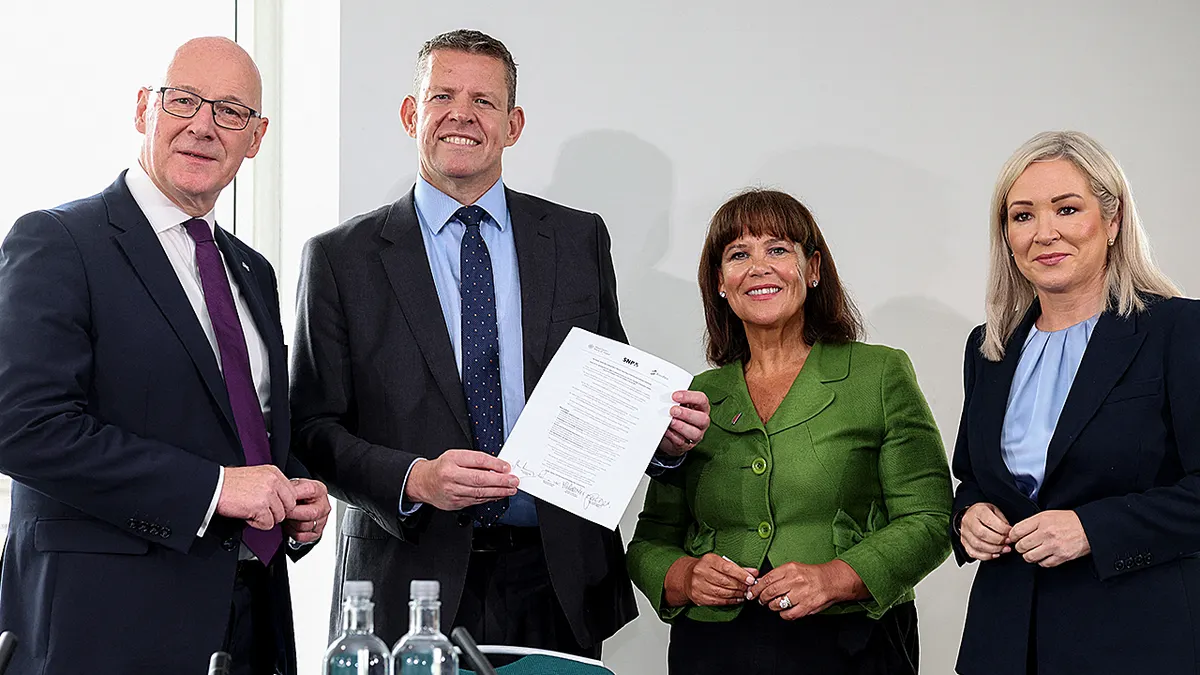
Meeting in Cardiff, Scottish First Minister John Swinney, Welsh First Minister Rhun ap Iorwerth, and Northern Ireland First Minister Michelle O’Neill signed a historic joint Memorandum of Understanding. The accord marks the first time since the establishment of modern U.K. devolution that the leaders of all three devolved nations simultaneously represent pro-independence or nationalist political parties: the Scottish National Party (SNP), Plaid Cymru, and Sinn Féin.
The agreement establishes a functional framework for direct intergovernmental collaboration among Edinburgh, Cardiff, and Belfast, bypassing London. It commits the three administrations to joint policy development in economic planning, renewable energy infrastructure, and coordinated efforts to rebuild trade and regulatory alignment with the European Union following the U.K.’s exit from the bloc.
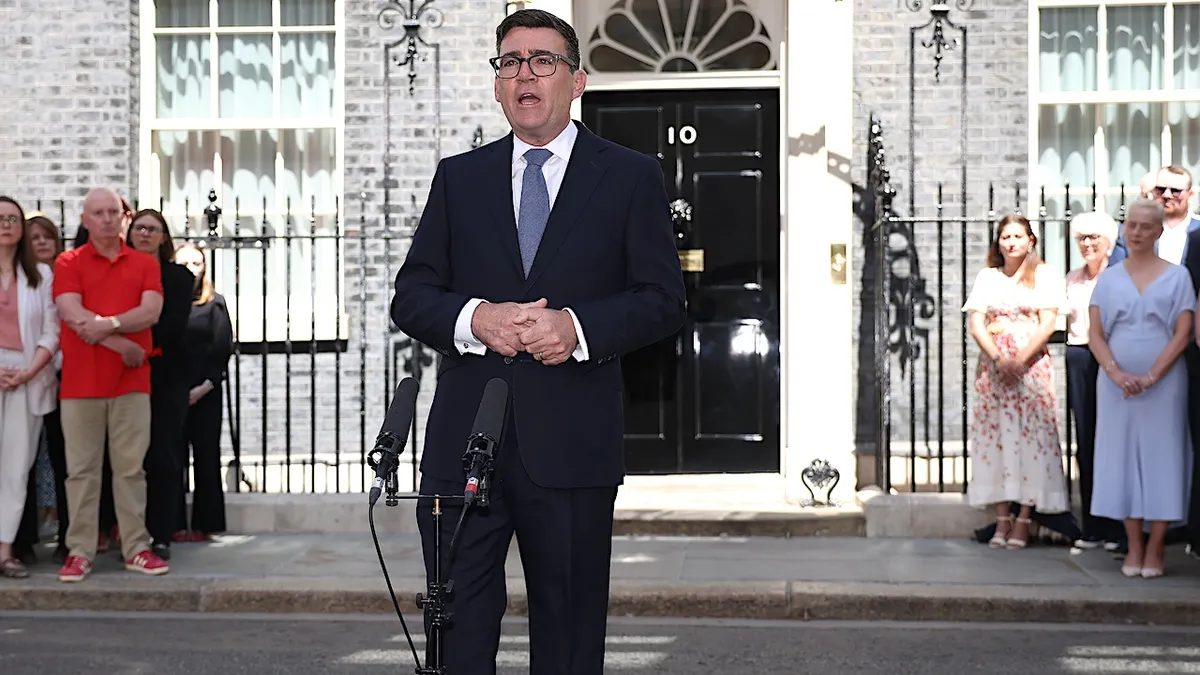

The coordinated constitutional challenge confronts newly installed U.K. Prime Minister Andy Burnham with demands that London begin formal planning for the eventual dissolution of the United Kingdom. Burnham took office on July 20, 2026, as the U.K.’s 59th Prime Minister following the resignation of Sir Keir Starmer in June.
A former Cabinet minister and former Mayor of Greater Manchester, Burnham returned to Parliament as the MP for Makerfield and has consistently rejected calls for constitutional referendums. Downing Street reiterated his commitment to maintaining the U.K. union after the Cardiff declaration.
In their joint statement, the three First Ministers declared that “Westminster’s time is coming to an end” and formally requested that the U.K. government “prepare for, plan and facilitate constitutional change in each jurisdiction.” They asserted that no government in London holds the authority to veto democratic determinations made by the voters of Scotland, Wales, or Northern Ireland regarding their political futures.
A spokesperson for 10 Downing Street said Burnham remains focused on easing household financial pressures and delivering economic stability across all four nations—England, Scotland, Wales, and Northern Ireland—rather than reopening constitutional debates or authorizing referendums.
The domestic initiative has coincided with diplomatic friction sparked by U.S. President Donald Trump during a visit to Ireland for the Irish Open in Doonbeg. Trump repeatedly voiced support for merging the Republic of Ireland with Northern Ireland, describing a unified Irish state as “one of the naturals of all time.”

“It’s going to happen eventually. It might as well happen now,” Trump said during remarks in Dublin and Doonbeg. Asked about the political status of Scotland, Trump declined to comment directly, stating he would “save that for another day.”
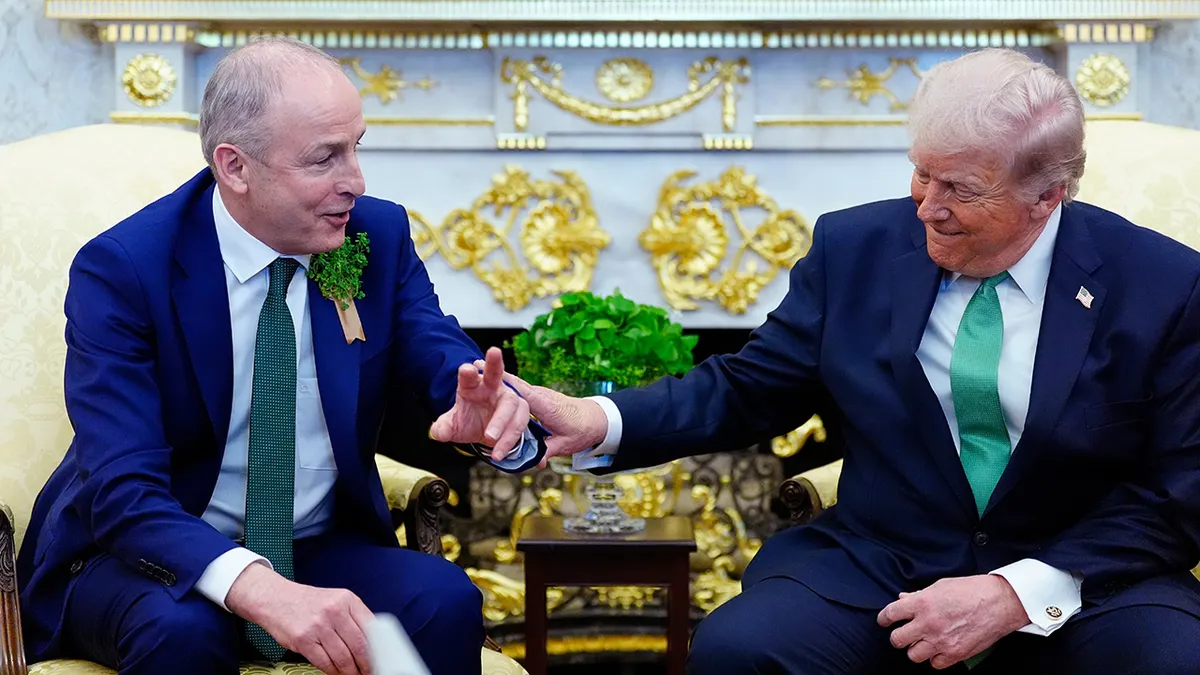
The comments followed a bilateral meeting earlier in the year at the White House on St. Patrick’s Day between Trump and Irish Prime Minister Micheál Martin, where bilateral relations and regional stability were discussed.
Under the 1998 Good Friday Agreement, the peace accord that ended decades of conflict known as the Troubles, the British Secretary of State for Northern Ireland is legally required to order a referendum on Irish reunification, known as a border poll, if it appears likely that a majority of voters in Northern Ireland would favor joining the Republic of Ireland.
Sinn Féin became the largest party in the Northern Ireland Assembly for the first time in 2022, leading to O’Neill’s appointment as First Minister under the region’s mandatory power-sharing executive.
Scotland’s political landscape remains shaped by the 2014 independence referendum, in which voters chose to remain in the U.K. by a margin of 55% to 45%. Following the 2016 Brexit vote—in which 62% of Scottish voters favored remaining in the European Union—the Scottish government has repeatedly requested the statutory authority to hold a second vote.
In November 2022, the U.K. Supreme Court ruled unanimously that the Scottish Parliament does not have the constitutional power to legislate for an independence referendum without the formal consent of the U.K. Parliament in London. Wales has also seen Plaid Cymru increasingly advocate expanded legislative powers for the Senedd, the Welsh Parliament established following a 1997 devolution referendum, while pushing for long-term self-determination.
Speaking at a joint press conference following the summit, O’Neill stated that the three nations shared a common objective, asserting that central authorities in London would be unable to stop the momentum toward regional self-determination.