
Free VPNs May Expose the Data They Promise to Protect
Research finds data leaks, tracking, and malware risks in free VPN services
WASHINGTON — Millions of internet users rely on virtual private networks to shield their online activity, but academic research and regulatory warnings increasingly indicate that free services can create the security threats they claim to prevent. In the broader market for free consumer software, the familiar adage is that “if you are not paying for the product, you are the product.” Cybersecurity experts and federal regulators warn that VPN trade-offs can extend well beyond ordinary advertising tracking.
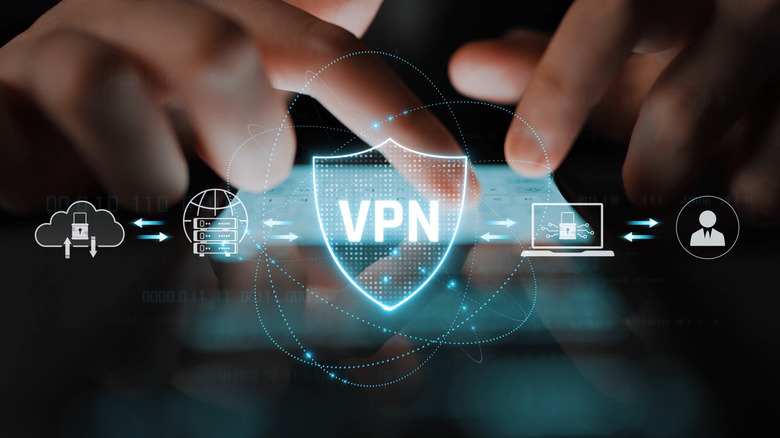
A VPN establishes an encrypted tunnel between a user’s device and a remote server operated by the VPN provider. The user’s traffic passes through that server before reaching its destination, masking the user’s domestic public IP address. This prevents internet service providers (ISPs) and public Wi-Fi operators from monitoring the specific domains a user visits.
That protection does not provide complete anonymity. Third-party platforms may still identify and track users through active browser cookies, active account logins, device fingerprinting, and GPS data. Using a VPN does not eliminate the need for trust; it relocates it from the ISP to the VPN provider.


Because the VPN provider serves as the intermediary for transmitted data, an untrustworthy company can inspect, log, and monetize the traffic users are trying to protect. This shift in trust has drawn scrutiny from the Federal Trade Commission (FTC), which has repeatedly warned consumers about deceptive privacy practices in the VPN market.
The risks are especially visible on mobile devices. A 2026 study presented at the Network and Distributed System Security (NDSS) Symposium, a premier peer-reviewed academic conference specializing in network security, examined 281 popular VPN applications available on the Google Play Store. The researchers assessed their privacy and traffic-handling protocols.
The study found that 29 applications leaked user data outside the encrypted tunnel, defeating the software’s primary purpose. Another 61 transmitted at least some user data without encryption, while 76 actively transmitted Android Advertising IDs (AAIDs). Provided by Google Play services, these unique, user-resettable identifiers allow advertisers to build highly detailed profiles of behavior across different applications.
The NDSS research covered Android applications exclusively. Security analysts note that mobile operating systems create distinct implementation challenges because background processing limits and system-level battery optimization can cause connection drops that expose user data.
Threat actors have also repeatedly used the “free” VPN model. Security firms have documented malicious software masquerading as legitimate free VPN utilities on both mobile and desktop platforms. Some malicious applications quietly enroll a user’s device in a residential proxy network, selling the user’s bandwidth to third parties that may use it to conduct cyberattacks or bypass geographic blocks.
A VPN is not a comprehensive security tool, consumer protection agencies emphasize. It secures data in transit, but it does not protect a device from malware execution, prevent phishing schemes, or stop users from entering login credentials on fraudulent websites. Antivirus programs and endpoint protection tools remain necessary safeguards whether or not a VPN is active.
For people who need a VPN but cannot afford a paid subscription, security advocates identify the “freemium” business model as the safest starting point. Reputable privacy companies often offer limited free tiers supported directly by paying subscribers. The provider restricts the free service to encourage upgrades to a premium plan, creating a transparent revenue source that does not require monetizing user data to remain solvent.
The Electronic Frontier Foundation (EFF) advises consumers to examine how a provider funds its free tier. Services offering unlimited, free bandwidth without a paid tier should be treated with extreme caution. Consumers should also verify the provider’s corporate structure and physical headquarters to establish which data privacy laws govern its operations.
Independent security audits are another measure. Reliable providers regularly submit their infrastructure and codebases to third-party security firms, such as Cure53 or PricewaterhouseCoopers, to verify their “no-logs” claims. Their software should use industry-standard, open-source protocols such as WireGuard or OpenVPN rather than proprietary, unverified connection methods.
WireGuard is a modern, high-speed protocol that uses state-of-the-art cryptography. A dependable application should also include an automated kill switch, which instantly halts all internet traffic if the VPN tunnel drops unexpectedly and prevents data from leaking onto the public network.
Legitimate free tiers commonly impose slower connection speeds, data caps, and fewer server locations. Security experts agree that these functional compromises are far preferable to the hidden privacy risks associated with unverified, unlimited free services.