

EV Batteries Are Lasting Longer—and Failing Far Less Often
Modern electric vehicle batteries are failing less often than early projections suggested
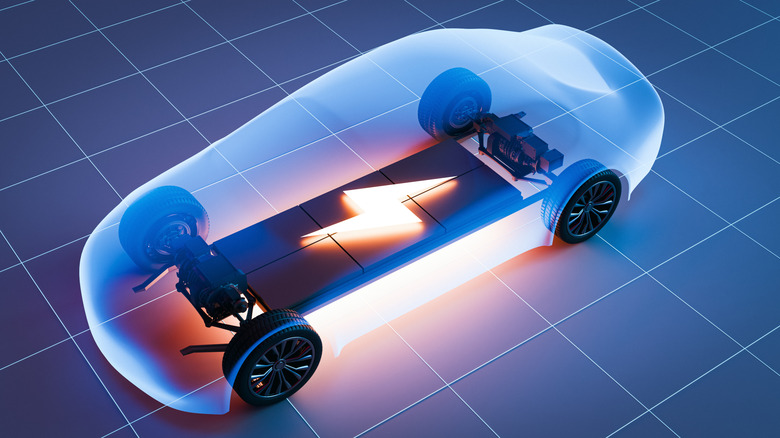
WASHINGTON — Complete traction battery failure remains a statistical rarity in modern electric vehicles. A U.S. Department of Energy analysis of approximately 15,000 plug-in vehicles found that only 1.5 percent required battery replacements because of mechanical or electrical failure, excluding manufacturer safety recalls. Among vehicles manufactured between model years 2016 and 2023, the replacement rate was below 1 percent.
Battery health is measured through State of Health (SOH), which compares a pack’s current usable capacity in kilowatt-hours with its original nominal capacity. SOH declines incrementally over time and across charge cycles, but automotive engineers distinguish ordinary capacity fade from internal hardware faults.
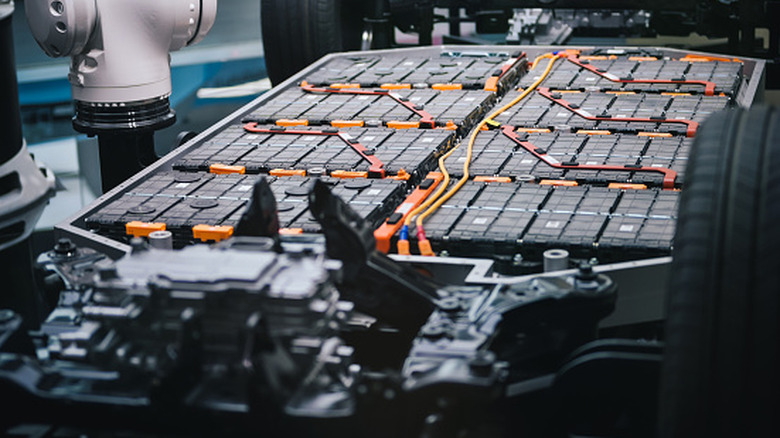


The operational longevity of modern traction packs reflects engineering changes since mass-market electric vehicles first appeared more than a decade ago. Early models often used passive air-cooling systems, which left cells vulnerable to accelerated degradation in elevated ambient temperatures.
Current designs from major manufacturers universally use active liquid thermal management systems. Coolant circulates through internal channels to maintain more uniform cell temperatures, while Department of Energy projections estimate that traction batteries are engineered to last 12 to 15 years in moderate climates and eight to 12 years in regions with sustained extreme temperatures.
Geotab’s real-world tracking supports those projections. The telematics provider analyzed more than 22,700 electric vehicles across 21 different models and recorded average battery capacity degradation of approximately 2.3 percent per year.
Driving range can change because of operating conditions without indicating immediate battery degradation. Ambient temperature, high-speed highway resistance, cabin climate control, payload weight, and topography all affect energy consumption. Sub-freezing temperatures temporarily slow electrochemical reactions and increase battery internal resistance, reducing the range available on a single charge without permanently damaging cell chemistry.
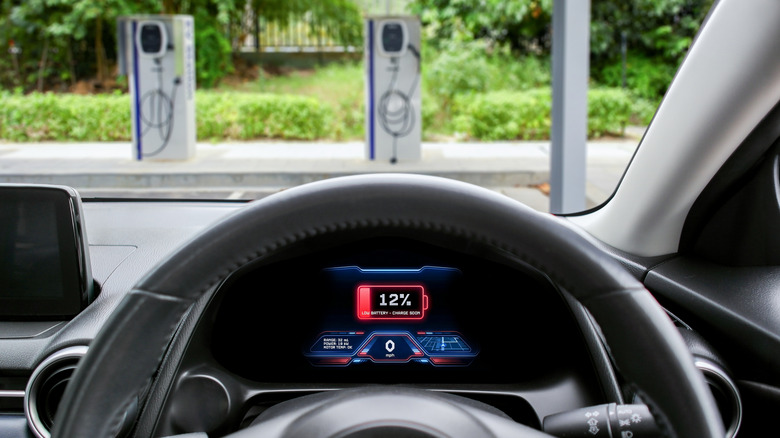
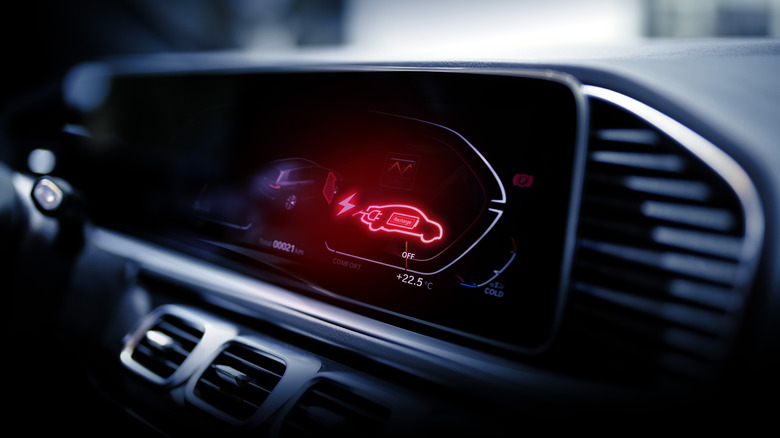
Abrupt changes in performance or charging behavior are more consistent with hardware or software anomalies. Internal battery management systems (BMS) continuously monitor individual cell voltages, resistance levels, and thermal sensors, and automakers issue distinct diagnostic trouble alerts when those measurements move outside acceptable tolerances.
Tesla uses automated high-voltage alerts that can restrict maximum charging levels and reduce acceleration when abnormal cell behavior or isolation faults are detected. Owners are then prompted to begin certified service.
Direct-current fast-charging rates also vary according to operating parameters. The onboard BMS adjusts power acceptance according to the battery pack’s state of charge, temperature, and the vehicle’s specific charging curves, helping prevent lithium plating and thermal stress.
Federal emissions standards require automakers to cover electric vehicle traction batteries under warranty for at least eight years or 100,000 miles. The California Air Resources Board (CARB) Advanced Clean Cars program additionally requires manufacturers to guarantee 70 to 75 percent capacity retention during that warranty period.
Outside warranty coverage, repair decisions depend on financial and technical considerations. Research from electric vehicle analytics firm Recurrent places out-of-pocket traction battery replacement costs between $5,000 and $16,000. The final amount depends on battery chemistry, pack size, vehicle architecture, and labor requirements.
Technicians can often use diagnostic evaluations to identify a failed individual module, wiring harness, contactor, or onboard charging module instead of replacing the complete battery assembly.
High-voltage battery service is limited to certified technicians because direct-current architectures operate between 400 and 800 volts. Service personnel must use insulated high-voltage safety tools and personal protective equipment compliant with national electrical safety standards.