‘Predictable and Preventable’ Fails the South Africa AGOA Test
The ambassador called the exit predictable and preventable. The letters, the 2016 file and the offers Pretoria already made say the 60 days were never a negotiation.
Donald Trump’s letter of 28 October gave South Africa 60 days to “address the issues” behind the AGOA exit, and the trade department’s own fact sheet says that if it does, the country stays in.
The US ambassador, Leo Brent Bozell III, called the outcome “predictable and preventable”, the result of Pretoria rejecting “real concerns raised by the U.S. Government”. The verdict invites a test. The letter names three things: barriers to American trade and investment, corruption, and actions that threaten American national security and foreign policy.
Trade was the ground Pretoria could fix, and it tried before the decision was made. Trade Minister Parks Tau told a briefing on 30 October that South Africa had made “generous offers” on poultry and pork market access, had met American officials in September and was awaiting a formal response. The trade department says the concessions went beyond those offered in 2015. Three days later, Washington announced the cut.
The last time Washington used the same instrument, the fix took longer than the window it now allows. In November 2015 Barack Obama gave South Africa 60 days’ notice that he would suspend duty-free treatment for its agricultural goods under the same section of the AGOA law. It took 130 days, until 14 March 2016, before the suspension was lifted, once a 65,000-tonne quota for American chicken had been agreed. The 2026 letter adds two grounds the 2015 notice never had: corruption and foreign policy.
The letter gives Pretoria nothing to fix on corruption. It says South Africa “had not established, and was not making continual progress toward establishing, a system to combat corruption and bribery”, but it does not name a single case, a law or a practice that would have to change. A system of that kind is not built in 60 days, and the letter does not say what “addressed” would look like.
On foreign policy, the pass mark is named, and Pretoria has already said no. The February executive order that opened the confrontation listed the Expropriation Act, the genocide case against Israel at the International Court of Justice and renewed ties with Iran. Tau said in October that transformation and land reform are constitutional imperatives and “non-negotiables in our negotiations”. The ANC said on 3 November that it would not “surrender transformation for preferential market access” and would not “be bullied”.
Congress saved the programme two months before Washington cut South Africa from it. AGOA was extended through 31 December 2028 on 2 September, after lapsing in September 2025 and being restored in February 2026; South Africa had pushed for a 15-year extension. South Africa AGOA exports fell from $4 billion in 2024 to $1.7 billion in 2025. The cut is a country decision, not a programme decision.
Rwanda got the same notice for different reasons. Its list adds the rule of law, political pluralism, workers’ rights and human rights. On 28 October, the day Trump wrote to Ramaphosa, Washington sanctioned Rwanda’s defence ministry and a military-linked bank for supporting the M23 rebels in eastern Congo.
What the exit costs is itself disputed. The trade unions’ federation, Cosatu, puts the likely job losses at 3,000, at most 10,000. The Freedom Front Plus claims 125,000 jobs directly and more than 500,000 indirectly at risk. The ANC’s line is that the biggest numbers “confuse the broader United States trade relationship with exposure to AGOA preferences”: 89 percent of South African exports to America already travel under most-favoured-nation terms.
The argument at home is three-cornered. Some South Africans think the blow is overstated. “The USA isn’t the world (despite what they think), and other markets will want South African products,” u/Wise_Monkey_Sez wrote on Reddit, calling the coverage “alarmist bullshit”. u/HenkCamp, also on Reddit, said agricultural exports had risen 9 percent globally even as they fell 23 percent to the US. Others read the letter the way the ANC reads it: “This was all about the Israel case nothing more, they wanted us to be mum like the EU,” wrote u/Afrikan_GOD. The ambassador says the government rejected real concerns. A third group blames the lobbyists who pressed Washington’s case. “A big part of the demographic they claim to represent will suffer because of this and we all know who is to blame,” u/Separate-Top3658 wrote in the thread under AfriForum’s statement blaming the ANC.
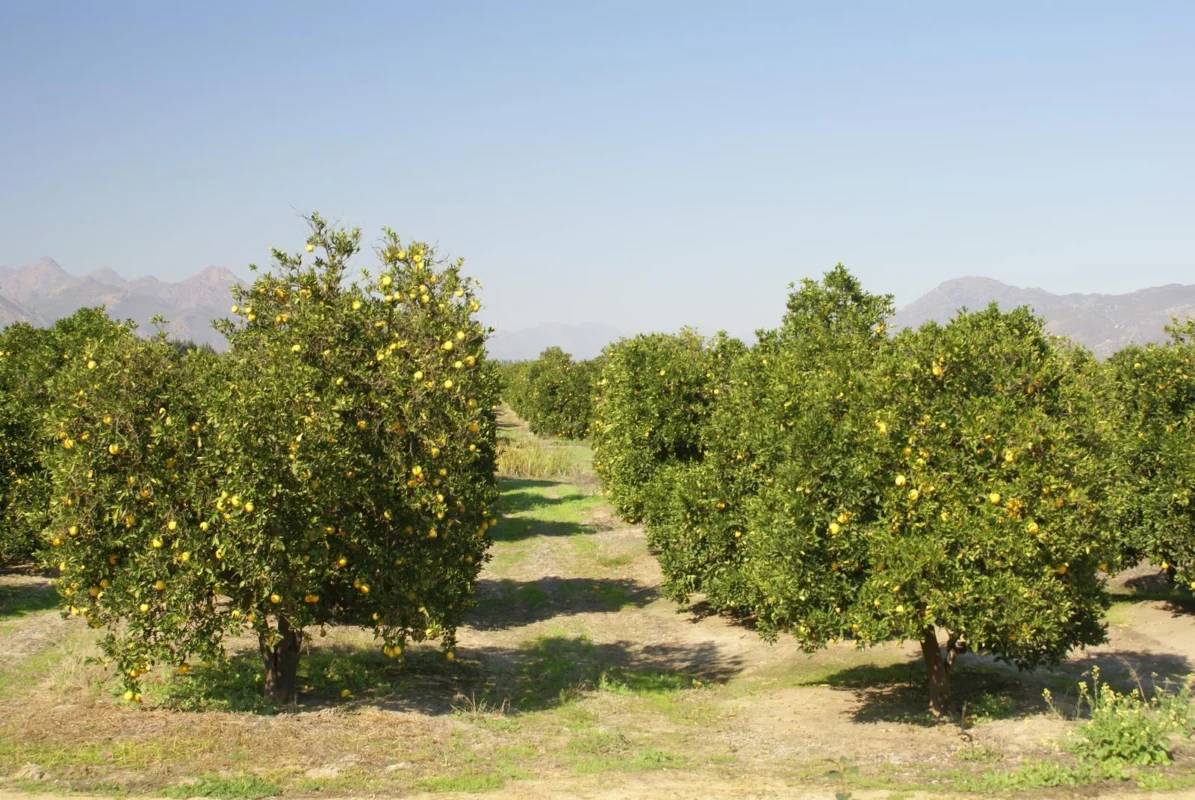
The citrus growers count at least 35,000 farm jobs in the Western and Northern Cape sustained by exports to the American market. Their chairman said entire orchards had been planted specifically for that market. The American market takes five to six percent of the country’s citrus crop.