The CDC Superbug Report Is a Hospital Report First
More than four in five deaths in the CDC's new count are healthcare-associated, and the report's one downgrade is the evidence that prevention works.
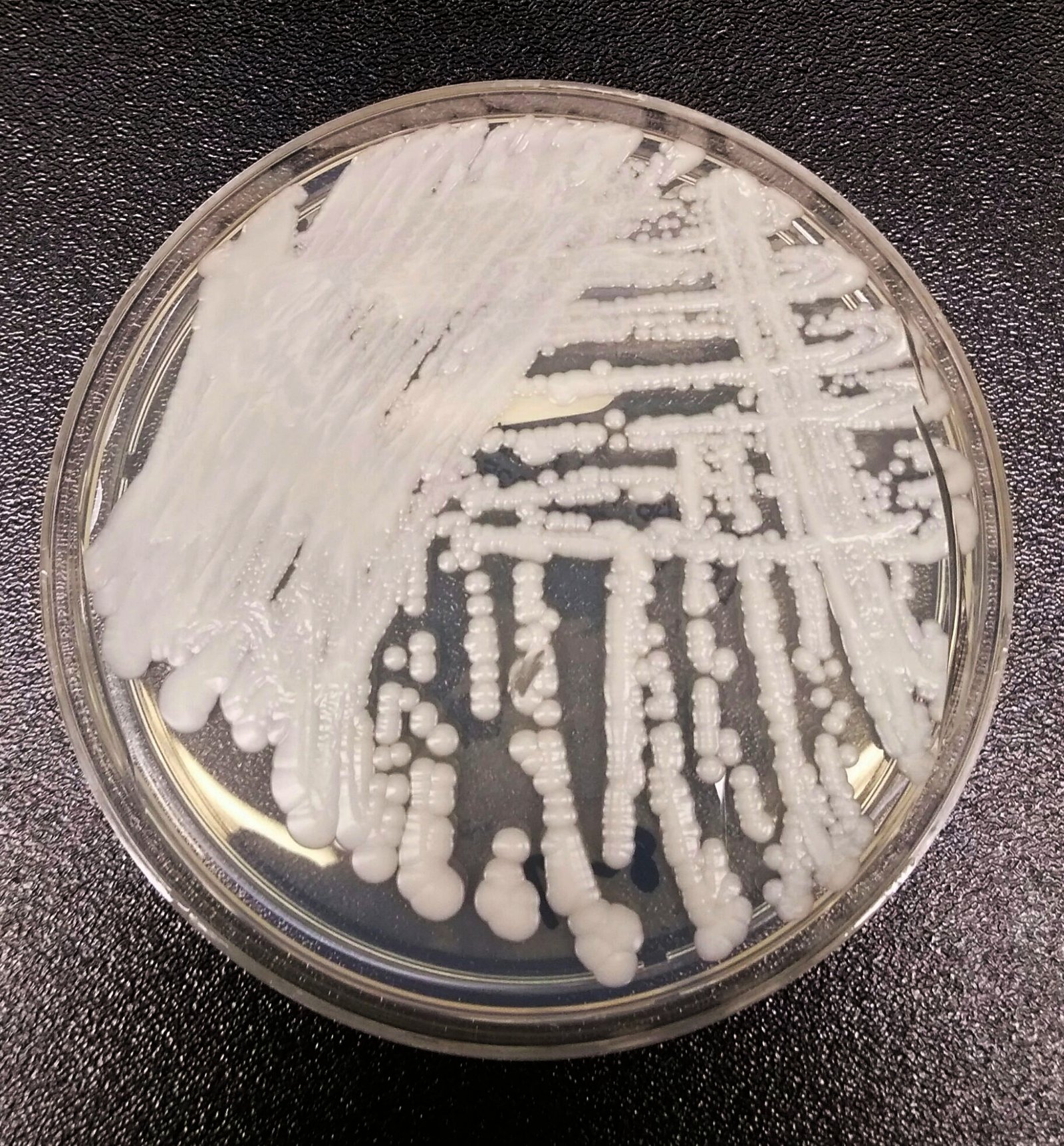
More than 42,000 of the 50,800 deaths in the CDC superbug report happened in health care. Seven bacterial threats that are commonly associated with health care account for that share, and for nearly $12 billion in health care costs in a single year. The report behind those numbers, the CDC’s 2026 Antimicrobial Resistance Threats Report, was published on October 27 and counts 19 germs in three tiers from 2023 estimates: four urgent, 13 serious and two concerning. CDC Director Erica Schwartz said of the findings: “This data shows both the progress we’ve made and the significant work that remains.”
Strip out Clostridioides difficile and the toll falls to more than 9.3 million infections and more than 39,000 deaths. The CDC says so itself, on its own summary page, and the reason matters for reading every headline that followed the report. C. difficile is not typically drug-resistant. It is counted in the report because the same forces drive it and drug resistance together: antibiotic use and the spread of germs. On the CDC’s rounded totals, the difference between the two counts is about 400,000 infections and about 11,800 deaths. The report’s own figures for C. difficile in 2023 are 412,504 cases, with more than 11,000 deaths among hospitalized cases.
The four urgent threats are Candida auris, carbapenem-resistant Acinetobacter, carbapenem-resistant Enterobacterales and drug-resistant Neisseria gonorrhoeae. C. auris, a yeast that spreads among patients in health care facilities, reached 4,523 cases in 2023, a tenfold increase since 2019, and some strains resist all three available classes of antifungal treatment. Carbapenem-resistant Enterobacterales, the CRE group that includes strains of E. coli and Klebsiella resistant to a powerful class of antibiotics, caused 14,878 infections among hospitalized patients in 2023 and 1,252 estimated attributable deaths. The remaining 13 serious threats include MRSA, drug-resistant tuberculosis, drug-resistant Salmonella and drug-resistant Shigella. The two concerning threats are drug-resistant group A Streptococcus and clindamycin-resistant group B Streptococcus.


C. difficile is the report’s good-news exception. It was an urgent threat in the CDC’s last report and is a serious threat now. Dawn Sievert, the CDC’s senior science advisor for antimicrobial resistance coordination and strategy, put the numbers behind the move in an interview: rates of C. difficile declined 21% overall from 2018 to 2020 and remained stable in health care from 2020 to 2023. “U.S. progress against this threat shows that a comprehensive public health response — grounded in targeted infection prevention, antibiotic stewardship, diagnostic excellence, and increased treatment options — works,” she said.
From 2012 to 2017, the number of antimicrobial-resistant infections seen in hospitals dropped 27% and deaths from those infections fell nearly 30%, according to the CDC. The prevention playbook behind that fall, hand hygiene, isolation precautions and antibiotic stewardship, is also the one C. difficile kept benefiting from. Much of the progress was then lost during the COVID-19 pandemic, when six bacterial drug-resistant hospital-onset infections rose a combined 20% compared with the pre-pandemic period, peaked in 2021 and were still above pre-pandemic levels in 2022.
Of the 14,878 CRE cases in 2023, 67% were community-onset, although some of those patients had recent health care exposure. The CDC warns that once resistant health care germs spill into communities they become much harder to control. A separate CDC report on one CRE subgroup, the NDM form that resists nearly all available antibiotics, found its infections surged by more than 460% between 2019 and 2023.
Its 2019 report estimated 2.8 million infections and 35,000 deaths a year. The CDC warns against comparing those numbers directly with the new ones. Sievert told Healio the agency updated its data sources and methods for the 2026 report. Two of the changes show why: group A and group B Streptococcus were previously counted only when infections were invasive and now include noninvasive infections too, and C. difficile was previously counted only in hospitalized patients and now adds cases outside hospitals. Threat levels themselves are set on seven factors, including clinical impact, current infection numbers, projected change over five years, transmissibility and whether effective treatments exist.
Wendy Armstrong, president of the Infectious Diseases Society of America, argued the report should move Congress on drug development: “It is imperative that Congress pass the bipartisan PASTEUR Act to drive the development of the lifesaving novel antimicrobial drugs that are needed to treat resistant infections.” Armstrong’s statement ran as a perspective alongside Healio’s report on the CDC figures.
Six germs sit on the report’s watch list, monitored because their full burden in the United States is not yet understood: azole-resistant Aspergillus fumigatus, drug-resistant Bordetella pertussis, drug-resistant dermatophytes, drug-resistant Haemophilus influenzae, drug-resistant Mycoplasma genitalium and nontuberculous mycobacteria. Drug-resistant Neisseria meningitidis, newly added as a serious threat, was found spreading in community settings.