Stepped-Up Basis Loophole Draws Rare CEO Critic as United’s Kirby Breaks Ranks on Wealth Tax
Kirby's rare public stance puts $40B tax provision in spotlight as bipartisan interest grows
A corner of the tax code that lets billions in investment gains escape taxation entirely is drawing fresh scrutiny after an unlikely critic emerged from the corner office of a major U.S. carrier.
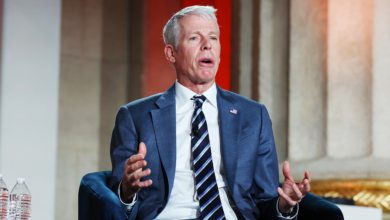
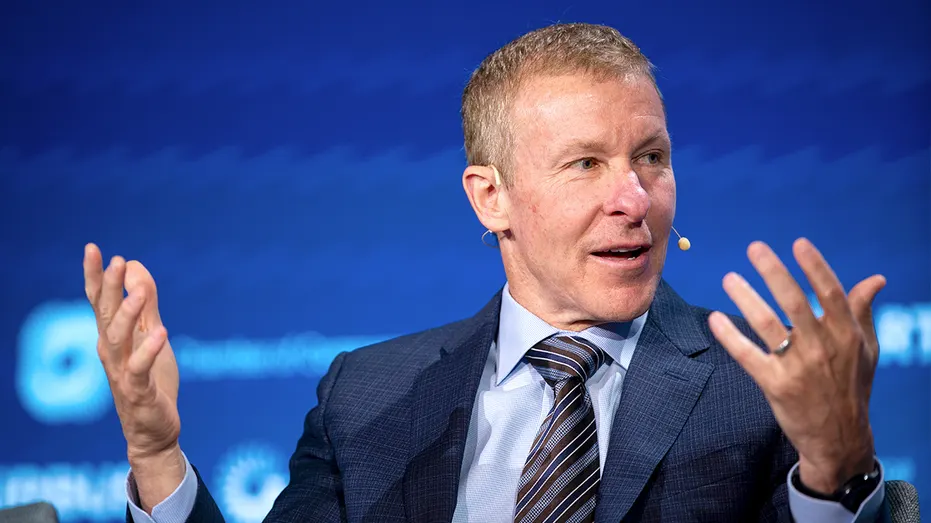
United Airlines Holdings Inc. CEO Scott Kirby used a CNBC interview Wednesday to call the stepped-up basis provision “unfair,” arguing that passive wealth accumulation should face taxation at some point. His remarks amplify a policy debate that has migrated from academic circles into bipartisan legislative proposals.
The provision allows heirs to value inherited assets at their market price on the date of the original owner’s death, effectively erasing capital-gains liability on appreciation that occurred during the decedent’s lifetime. The Joint Committee on Taxation estimates the feature costs the federal government roughly $40 billion annually in foregone revenue.

Kirby, who received $32.3 million in total compensation for United’s 2025 fiscal year according to proxy filings, acknowledged the policy would likely affect him personally. “I think it would apply to me,” he told “Squawk Box.” He described his view as a “non-consensus” opinion offered in response to a New York Times question, not a formal advocacy position.
Few Fortune 500 chiefs have publicly backed wealth taxation. BlackRock Inc. CEO Larry Fink has warned that extreme inequality threatens capitalism, while Salesforce Inc. Chair Marc Benioff has supported higher taxes on the wealthy. But explicit endorsement of a wealth tax or near-100% estate tax — positions Kirby floated in the Times interview — remains virtually unprecedented among sitting airline CEOs.
The Air Line Pilots Association, which represents United’s 14,000 pilots, declined to comment on Kirby’s remarks. The union has negotiated contracts tying pilot pay to company performance, a structure that aligns crew compensation with stock-price appreciation — the same mechanism Kirby says goes untaxed for the wealthiest Americans.
Legislative momentum around the stepped-up basis has fluctuated. The Biden administration proposed eliminating it for gains above $1 million per individual in 2021, but the measure stalled. Republican senators including Mitt Romney of Utah have separately floated capping the exclusion. No bill has advanced in the current Congress.
United’s board has not issued a statement on Kirby’s tax comments. Corporate governance experts say directors typically avoid weighing in on executives’ personal policy views unless they create material risk for the company. A spokesperson for United did not respond to requests for comment on whether the board discussed the remarks.
Kirby’s compensation package includes stock awards that vest over time, meaning his personal wealth is tied to United’s share price. The stock closed at $101.67 on Wednesday, up 3.9% for the session.