UK Treasury Budget Collides With BoE Rate Hike as Iran War Fuels Inflation Spike
Fuel surge from Iran conflict traps Treasury between spending pledges and BoE tightening
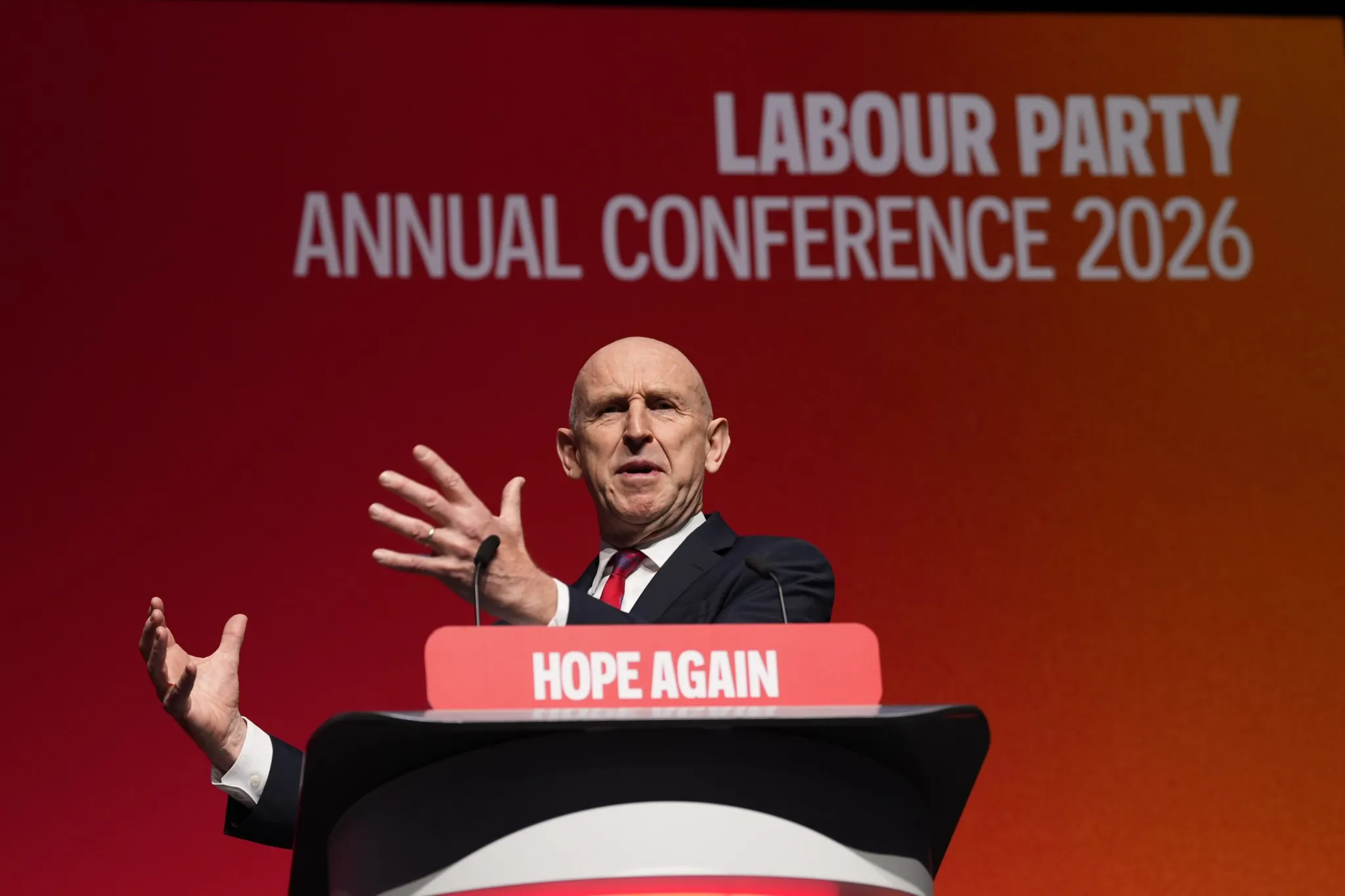
LONDON — Chancellor John Healey enters next week’s Autumn Budget with inflation accelerating to 3.5% in September, the highest since October 2023, Office for National Statistics data showed Wednesday. The reading, driven by a 30% surge in motor fuel costs over the past year, complicates a fiscal plan already constrained by the Bank of England’s expected November 5 rate increase to 4%.
Transport prices accounted for the largest upward pressure on the consumer price index, with fuel inflation jumping from 23% in August. The spike traces directly to the Iran conflict and resulting Strait of Hormuz bottlenecks that have restricted global oil flows since late February, according to ONS analysts.
Healey told reporters his statement would deliver “breathing space” for households and businesses. But economists warn expansionary fiscal measures risk undermining monetary tightening. “You cannot stimulate demand while the central bank is trying to crush it,” said Suren Thiru, chief economist at ICAEW. “The pieces are falling firmly into place for a November rate rise.”


The Bank held its key rate at 3.75% in September but signaled readiness to move. Markets now price a 25-basis-point increase with near certainty. That would reverse a downward trend from the 15-year peak of 5.25% — a trend interrupted precisely when US and Israeli forces struck Iranian targets in February.
The Federal Reserve and European Central Bank have also tightened recently, suggesting a coordinated global response to energy-driven price pressures. For UK mortgage holders, the combined effect means prolonged payment strain: average two-year fixed rates already exceed 5.5%, up from 4.8% in January.
Healey’s room for maneuver is narrowing. Borrowing costs on UK gilts have climbed 40 basis points this month alone, eating into fiscal headroom. Every 0.1 percentage point rise in yields adds roughly £2.3 billion to annual debt servicing, according to the Office for Budget Responsibility’s March forecast.