iPhone Duo’s 254-gram frame exposes Apple’s foldable trade-off
A 100-component hinge and IP68 rating push the device past 250 grams, forcing buyers to rethink pocketability.
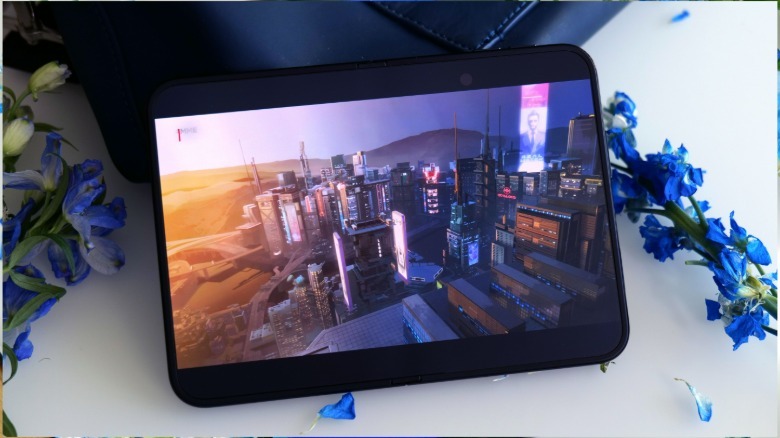
Apple’s first foldable smartphone weighs 254 grams. That single figure defines the iPhone Duo more than its dual screens or titanium chassis, placing it roughly 25 percent heavier than Samsung’s Galaxy Z Fold 8 despite offering identical camera counts and smaller displays. For consumers accustomed to the sub-200-gram footprint of modern flagships, the Duo demands a fundamental shift in how they carry and handle their primary device.
The mass comes from engineering decisions aimed at durability rather than portability. According to Engadget, Apple constructed the Duo around a hinge containing more than 100 individual components, designed to hold the device open across a wide range of positions with variable resistance. This mechanical complexity, combined with a thick titanium frame, allowed Apple to secure an IP68 dust and water resistance rating. Currently, only the Pixel 11 Pro Fold line offers that same level of environmental protection among foldables sold in the United States, making ingress resistance a rare commodity in a category historically plagued by fragile internals.
Buyers will also face ongoing maintenance costs tied directly to the interior screen’s construction. The inner 7.6-inch panel uses a matte nanotexture finish instead of standard glass. While this layer reduces reflections and obscures the physical crease running down the center of the display, it can be peeled off if picked at repeatedly. Apple charges $49 for a replacement, according to Engadget. Unlike Android competitors, which typically display prominent setup warnings instructing users not to remove pre-applied screen films, the Duo ships without such alerts, leaving buyers unaware that peeling the surface requires an Apple-certified technician.



The exterior relies on a glossy 5.4-inch OLED panel running at a 1,878 x 2,670 resolution with 120Hz ProMotion support and peak brightness hitting 3,000 nits. Opening the device reveals the larger 1,398 x 2,034 inner screen. Both panels share a 1:1.4 aspect ratio. Matching those dimensions allows applications to scale instantly between the two displays without UI distortion, a persistent issue for third-party developers on competing hardware.
Biometric authentication required another structural compromise. Apple dropped Face ID entirely for the Duo, opting instead for a Touch ID sensor embedded in the side lock button. Infrared facial recognition sensors would need to be duplicated on both the inside and outside of the chassis to function reliably across all folded configurations. The company told Engadget that relying on Touch ID aligns the phone’s security experience with iPads and MacBooks, while giving the operating system enough time to render lock screen notifications before fully unlocking the interface.

Weight distribution becomes the primary friction point during daily use. At nearly nine ounces, the Duo pulls noticeably on loose clothing and resists extended one-handed operation. Adding a protective case pushes the total carried weight even higher. Support for the Apple Pencil arrives later this month, according to Engadget, turning the textured inner display into a dedicated note-taking surface, though drawing sessions will likely require resting the device flat on a desk rather than holding it aloft.