U.S. Factories Need Robots, Not Tariffs, Griffin Says
Labor shortages and rising wage demands make tariff-driven reindustrialization unworkable, billionaire investor warns
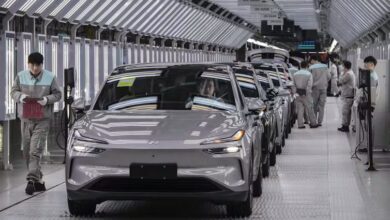
Eighteen months after sweeping tariffs reshaped global trade flows, the U.S. manufacturing sector faces a structural problem no import tax can solve: there are not enough workers willing to staff the factory floors policymakers envisioned.
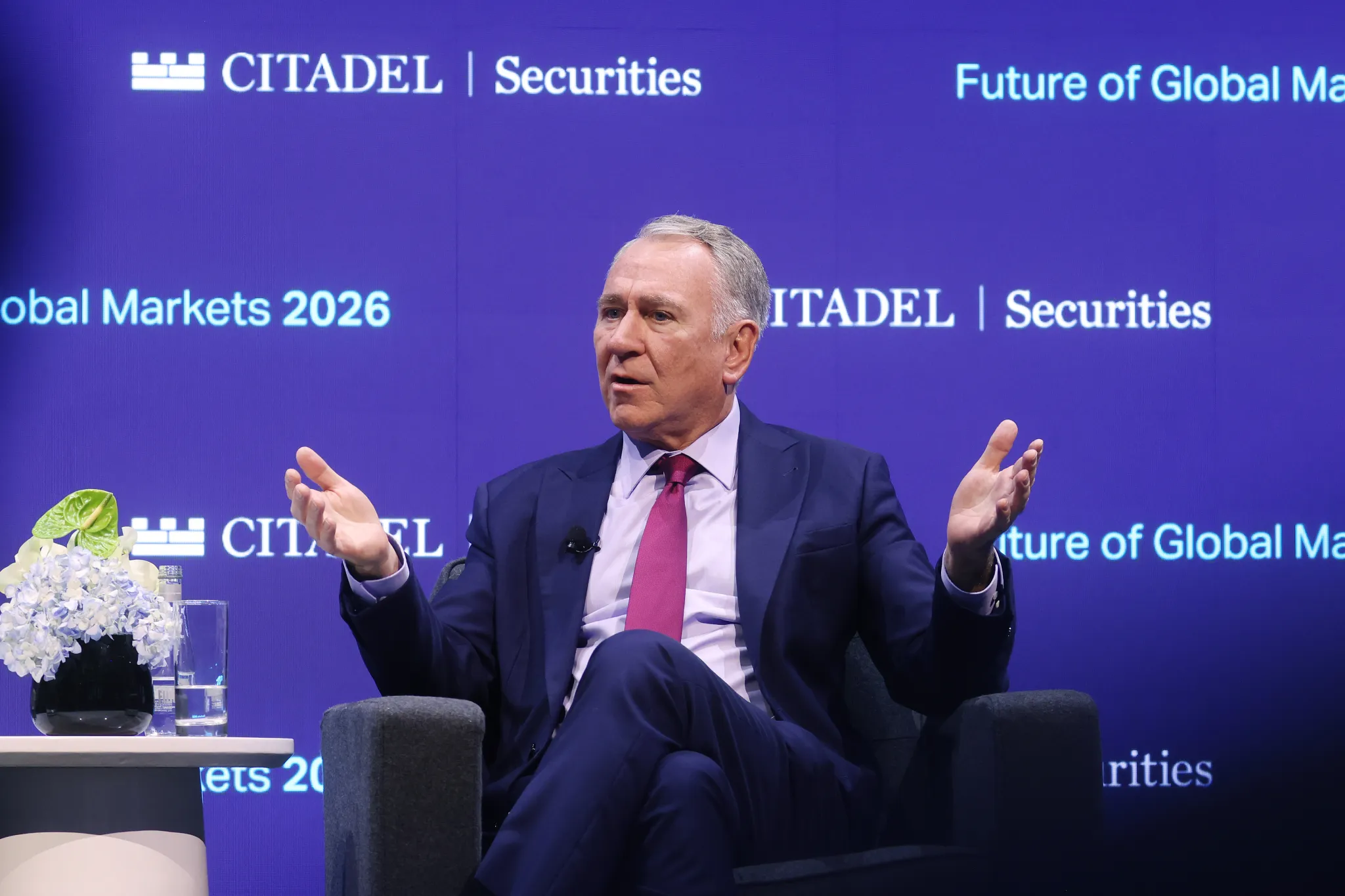
Citadel CEO Ken Griffin argued Tuesday that robotics and artificial intelligence, rather than protectionist trade policy, represent the only viable path to domestic production of essential goods. Speaking at the Citadel Securities Future of Global Markets event, Griffin said tariff-driven supply chain disruptions have been “pro-inflation” without delivering on promises to reindustrialize the country.
The labor market data supports his skepticism. The unemployment rate sits at 4.2%, but native-born joblessness has climbed over the past year, according to Moody’s chief economist Mark Zandi. Zandi told Fortune this summer that U.S.-born workers consistently reject jobs historically filled by immigrants unless wages rise substantially. Those higher wages, he noted, would render domestic production uneconomical for businesses.


“These jobs are typically ones that are very difficult, very arduous jobs that require a lot of physical hardship,” Zandi said.
Griffin’s proposed alternative relies on automated factories. He pointed to his $3 billion gift to Carnegie Mellon University Miami, announced in September, as an investment in building that capacity. “We want re-industrialized America to be a really industrialized America with robotics running our factories,” he said.
That vision collides directly with the current employment footprint of American manufacturing. Approximately 12.6 million people work in the sector, predominantly in electrical and component manufacturing, according to St. Louis Fed estimates. Bureau of Labor Statistics figures show manufacturing accounted for 7.4% of total U.S. employment in 2025, with projections indicating a slight decline to 7.2% by 2035.
Accelerating automation in a sector that still anchors millions of paychecks carries political risk. Microsoft co-founder Bill Gates warned about this exact friction point in an August essay, proposing a targeted robot tax to slow the displacement of human labor while funding retraining programs. Gates specified the tax should exempt AI applications that reduce costs in medicine and education.