A 1930 Trade Law Is Now Costing U.S. Food Importers Millions
Gellert Global Group says a single cheese shipment triggered $60,000 in duties after the administration expanded Section 338 coverage in September.
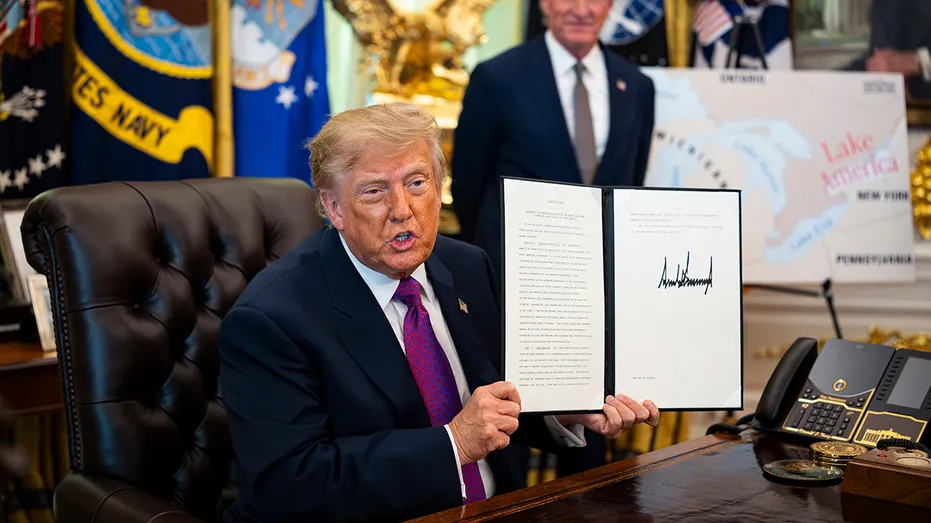
Section 338 of the Tariff Act of 1930 sat largely unused for decades. This summer, the Trump administration pulled it off the shelf to impose 50% tariffs on Canadian imports, and American food distributors are now footing the bill.
Gellert Global Group, a New Jersey-based importer, filed suit Tuesday in the U.S. Court of International Trade to block the levies. According to the complaint, the company estimates the duties will cost roughly $40 million annually on Canadian cheese alone. The Liberty Justice Center, representing Gellert, is asking the court to declare the tariffs unlawful, halt their collection and order refunds with interest.
The financial mechanics of the dispute are already visible in customs filings cited by the lawsuit. On Sept. 28, Gellert imported a shipment of goat’s milk cheese valued at about $120,000. The company paid more than $60,000 in tariffs on that single consignment. Before the administration expanded the list of covered products in September to include cheeses, those goods entered duty-free under the U.S.-Mexico-Canada Agreement (USMCA).


Thomas Gellert, co-CEO of Gellert Global Group, said the tariffs are disrupting business relationships developed over generations. “These tariffs disrupt those relationships overnight and create costs and uncertainty that ripple through the entire supply chain,” Gellert said.
The legal argument centers on statutory limits rather than trade policy preferences. Sara Albrecht, chairman and CEO of the Liberty Justice Center, said in a statement: “This case is not about the president. It is about the presidency. No president should have the power to pull a dormant statute off the shelf and use it to impose sweeping tariffs or import bans without the limits Congress required.” The complaint argues the administration is applying Section 338 beyond its intended purpose, targeting products unrelated to the Canadian policies officials sought to challenge.
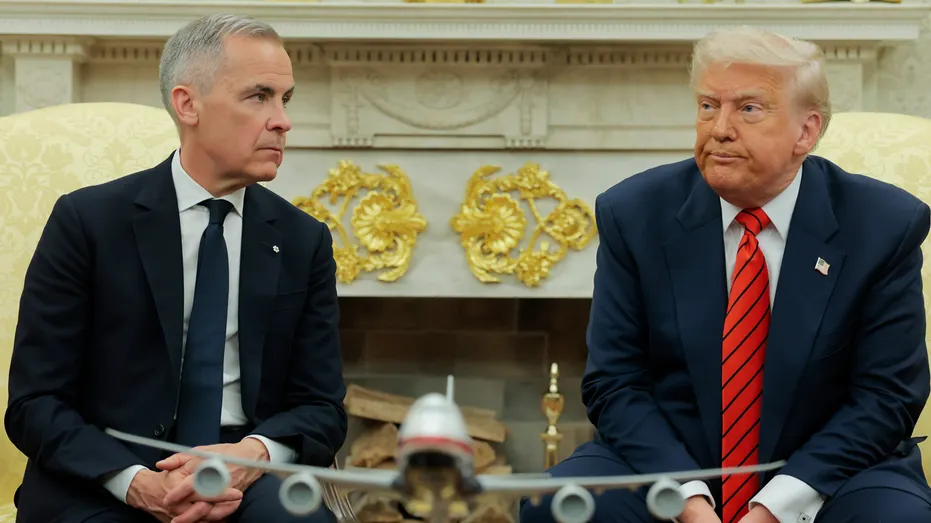
Washington invoked the 1930 law after broader trade negotiations collapsed. Canadian Prime Minister Mark Carney suspended talks in August, accusing the U.S. of making unfair last-minute changes to a potential agreement. The Office of the U.S. Trade Representative disputed that account, saying Canada declined to finalize previously agreed-upon terms. Canada subsequently imposed retaliatory tariffs on certain U.S. products.
The Gellert case is the fourth tariff challenge brought by the Liberty Justice Center under different statutory authorities. A February Supreme Court ruling determined that the International Emergency Economic Powers Act (IEEPA) did not authorize the president to impose the tariffs challenged in that specific case. Despite that decision, the administration continued imposing levies using other trade laws. A federal trade court also ruled against replacement tariffs imposed under Section 122, a decision the administration appealed, while a separate challenge involving Section 301 remains pending.
Karan Ramchandani, managing director for capital markets at Post Oak Group, noted that the ongoing U.S.-Canada tariffs and USMCA uncertainty are disrupting the auto, steel and lumber sectors, freezing long-term capital deployment and pushing costs down to consumers and small businesses.
FOX Business has reached out to the White House for comment.