Ford Settles Fatal F-250 Rollaway as Recall Notices Fail Owners
Confidential payout follows claims that postal recall warnings failed to reach the driver before a transmission defect caused a fatal rollaway.

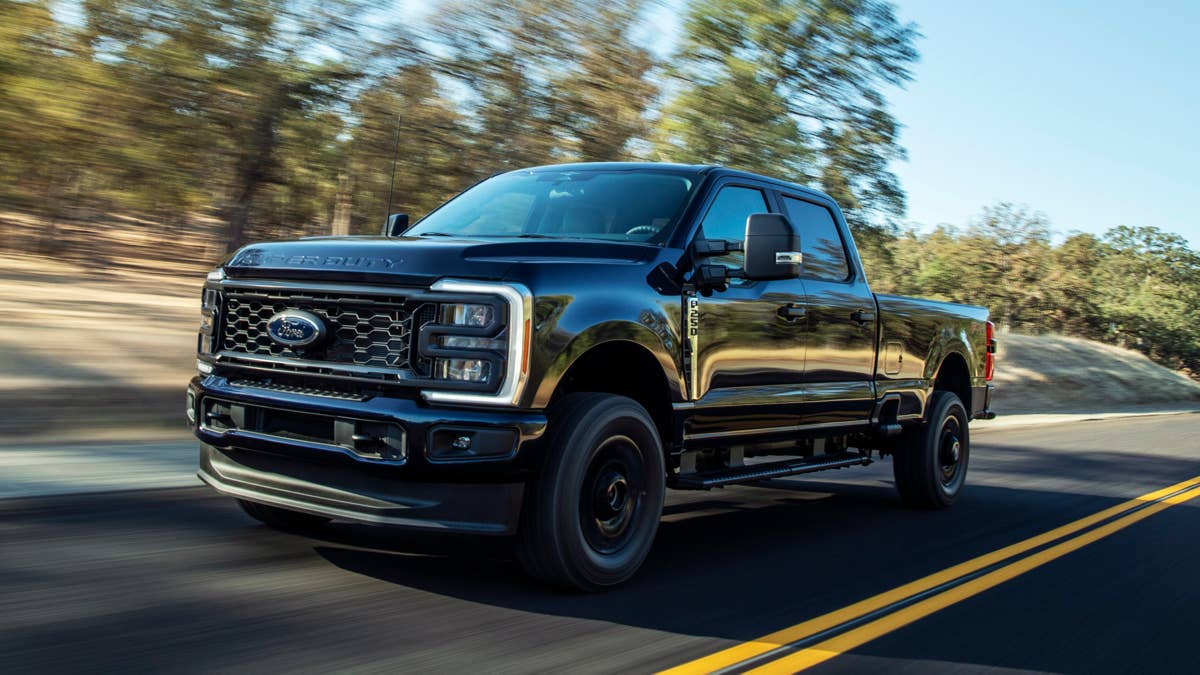
A 79-year-old Georgia man was crushed to death by his own truck after it rolled backward in his driveway. The vehicle was a 2023 Ford F-250. It had been placed in park. A known transmission defect allowed the gear selector to slip into reverse, according to court documents reviewed during a wrongful death lawsuit that Ford Motor Company has now settled confidentially.
The dead man never received or acted on an outstanding recall notice for the flaw. That single failure — the gap between a corporate safety directive and the driver who needed it — is where the financial liability ultimately landed.


Ford avoided a public jury trial by resolving the claims privately. The exact financial terms remain undisclosed, according to the family’s legal counsel. Heavy-duty truck manufacturers typically fight these cases by digging into maintenance records or pointing to aftermarket suspension modifications to deflect blame from factory defects. In this instance, the direct link to a recognized transmission flaw forced a settlement rather than a prolonged courtroom battle.
The National Highway Traffic Safety Administration requires automakers to notify owners of safety defects via first-class mail within 60 days of filing a recall. But NHTSA data consistently shows that millions of recalled vehicles go unrepaired every year. Completion rates for older models or vehicles that have changed hands multiple times frequently drop below 50 percent. Postal mail is easily discarded, filtered as junk, or sent to outdated registration addresses.
Court filings indicate the mechanical flaw in the F-250’s transmission allowed the gear selector to slip out of park. (Plaintiffs’ filings referenced both a 2002 and 2023 model year regarding the specific truck involved). Standard corporate mailers often frame mandatory repairs as routine technical updates. Legal experts note this language routinely minimizes the severity of underlying mechanical risks for everyday drivers, causing owners to delay fixes they perceive as minor inconveniences rather than fatal hazards.

Ford has managed some of the highest recall volumes in the U.S. auto industry over the past five years. Managing repair logistics at that scale strains dealer networks and complicates outreach. When notification systems fail under that volume, the resulting wrongful death settlements represent a compounding financial risk that standard compliance mailings do not mitigate.