Foxconn Bets on Mitsubishi EV Platform to Counter BYD
The iPhone assembler is buying half of Mitsubishi Electric Mobility to supply underlying architectures to global automakers.
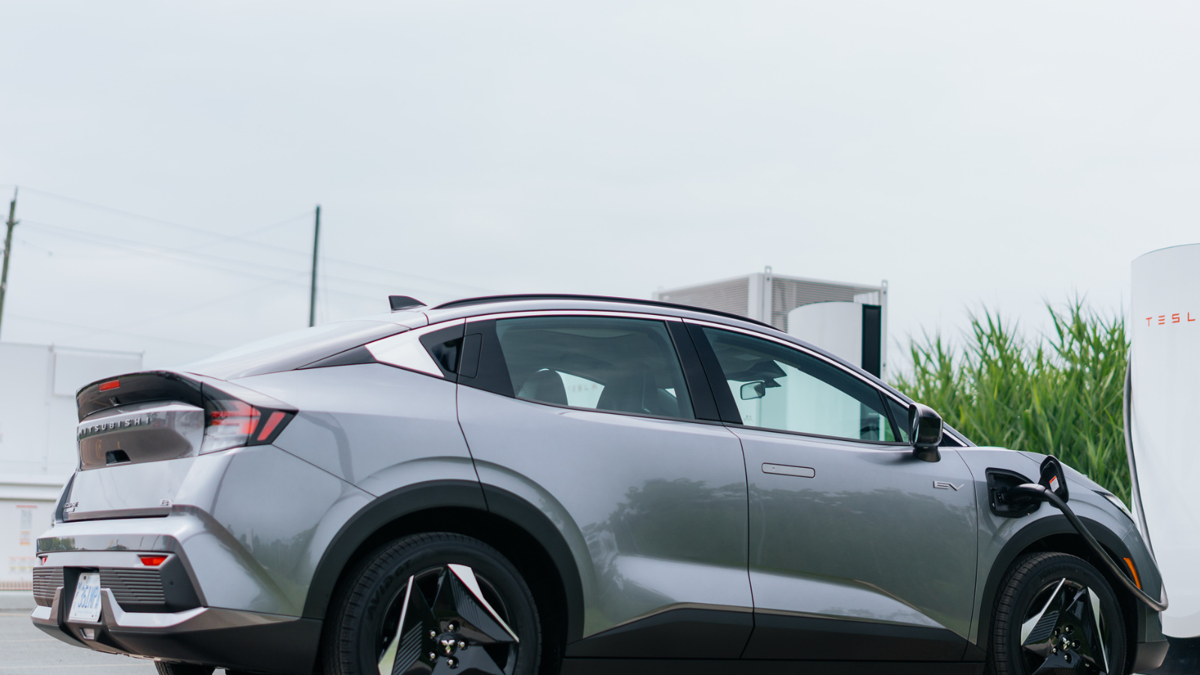
Taiwanese electronics giant Foxconn is buying a 50% stake in Mitsubishi Electric Mobility, according to Nikkei Asia. The transaction transforms a wholly owned Japanese subsidiary into an equal joint venture tasked with engineering base platforms for electric vehicles that other automakers can build upon.
The move positions the world’s largest contract electronics manufacturer — best known for assembling Apple’s iPhone — directly against Chinese competitors such as BYD, which have rapidly captured market share previously held by German and Japanese legacy brands. Rather than manufacturing complete cars under its own badge, Foxconn is targeting the supply chain layer beneath final assembly.


Mitsubishi Electric President Kazunori Tanaka stated the partnership reflects both companies’ belief that autonomous driving technology will become indispensable to the EV sector. Foxconn EV Chief Strategy Officer Jun Seki projected battery-powered cars could eventually command 80% of the global market, adding that self-driving capabilities would accelerate adoption rates.
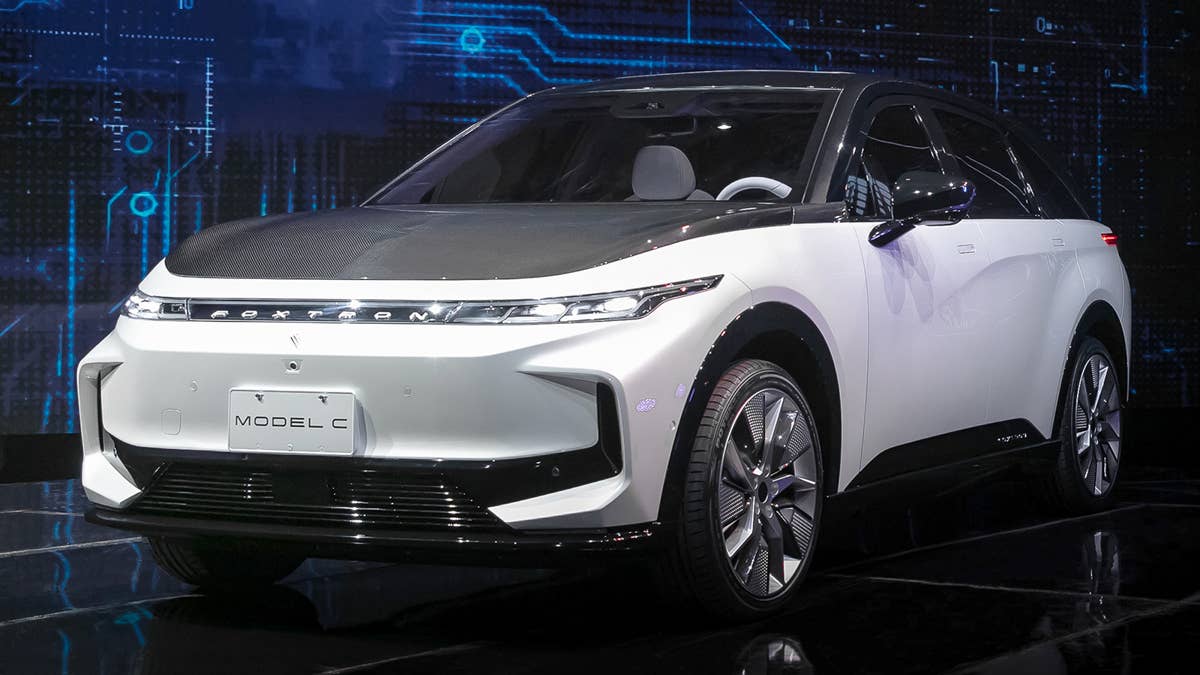
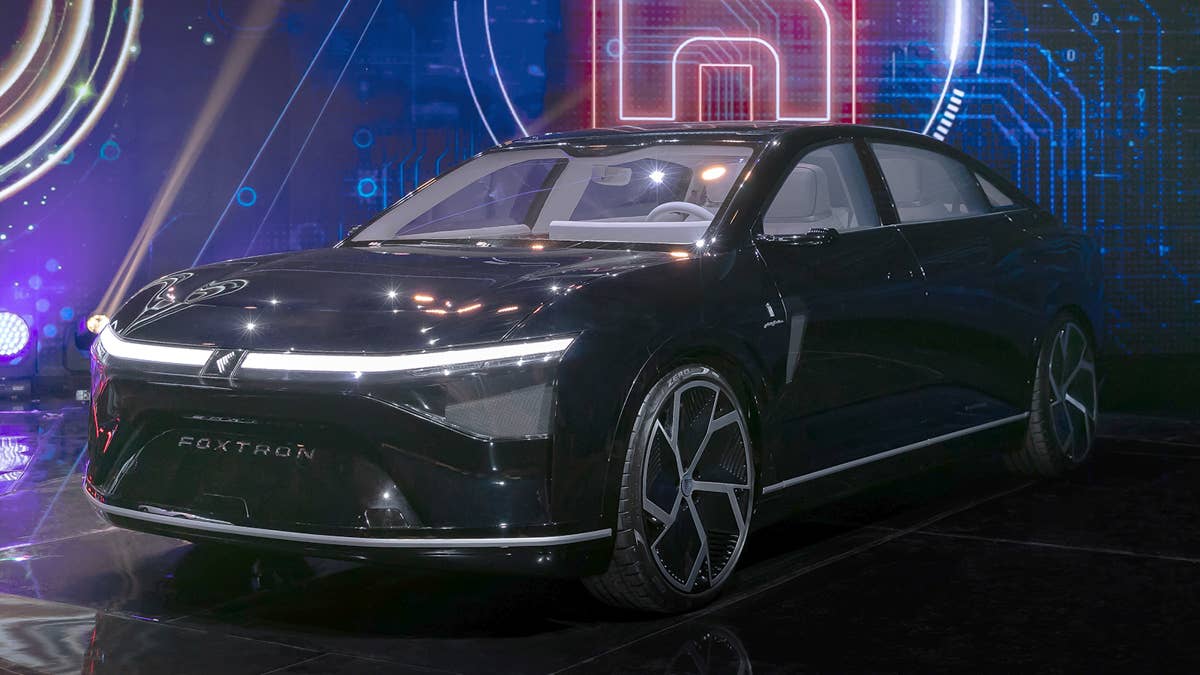
This is not Foxconn’s first attempt to crack the automotive industry. The company established MIH (Mobility in Harmony), an open EV platform consortium, several years ago to court traditional automakers wary of developing electric architectures from scratch. It also operates Foxtron, a separate vehicle-making venture in Taiwan. Securing Mitsubishi Electric’s established industrial engineering footprint gives the Taiwanese firm access to Japanese manufacturing standards and existing supplier networks it previously lacked.
Executive Vice President Kunihiko Kaga said Mitsubishi Electric aims to produce a globally competitive EV platform originating from Japan, citing alignment between the two companies on balancing manufacturing speed with quality control.
The timing carries specific risks for the North American market. While global EV registrations continue climbing, U.S. sales growth has stagnated. Automakers including Ford and General Motors have recently scaled back or delayed domestic EV production targets due to softer-than-expected consumer demand and shifting federal policy signals. A new platform supplier entering the space faces the immediate challenge of convincing hesitant manufacturers to commit capital to unproven third-party architectures during a period of regional uncertainty.