Mercedes GLC Electric Cuts Energy Use 14% Below EPA Estimate
Independent testing shows the luxury SUV consumes 28.4 kWh per 100 miles, outperforming rivals from Audi, Porsche, and Cadillac.
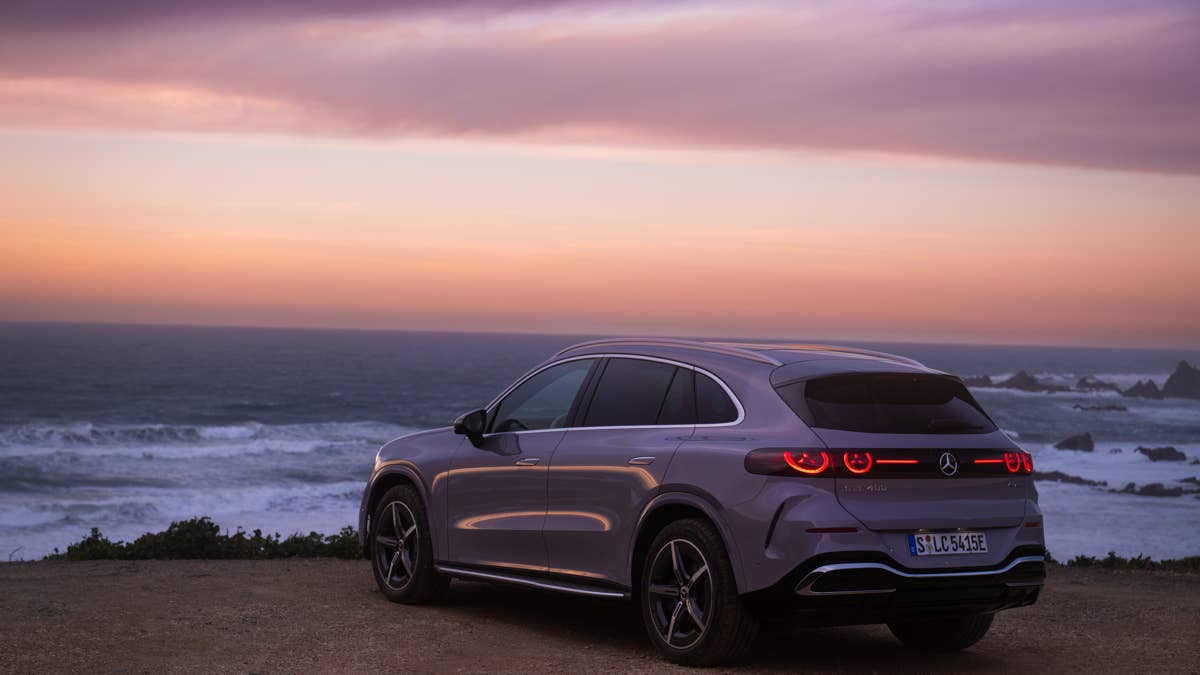
The 2027 Mercedes-Benz GLC 400 4Matic Electric consumed 28.4 kilowatt-hours per 100 miles during independent testing by Edmunds, undercutting its official EPA estimate of 33 kWh/100 miles by roughly 14 percent. The efficiency gap translates directly into lower charging costs for buyers and signals that the automaker’s new dedicated electric architecture may perform better under real-world conditions than laboratory certifications suggest.
That energy consumption figure drove a total range of 392 miles on a single charge in the Edmunds EV Range Test, exceeding the vehicle’s EPA-certified 331-mile rating by 61 miles. For luxury SUV shoppers comparing operating expenses, the difference matters. A more efficient drivetrain means fewer stops at public fast chargers, where electricity rates routinely exceed residential prices by two to three times.
Edmunds conducts its tests on a mixed route split between 60 percent city driving and 40 percent highway travel, maintaining an average speed of 40 mph and keeping the climate control set to 72 degrees. Drivers stay within 5 mph of posted speed limits. These parameters differ from the EPA’s standardized laboratory cycles, which use dynamometers rather than actual roads, though weather, elevation changes, and individual driving habits will still cause variation among owners.
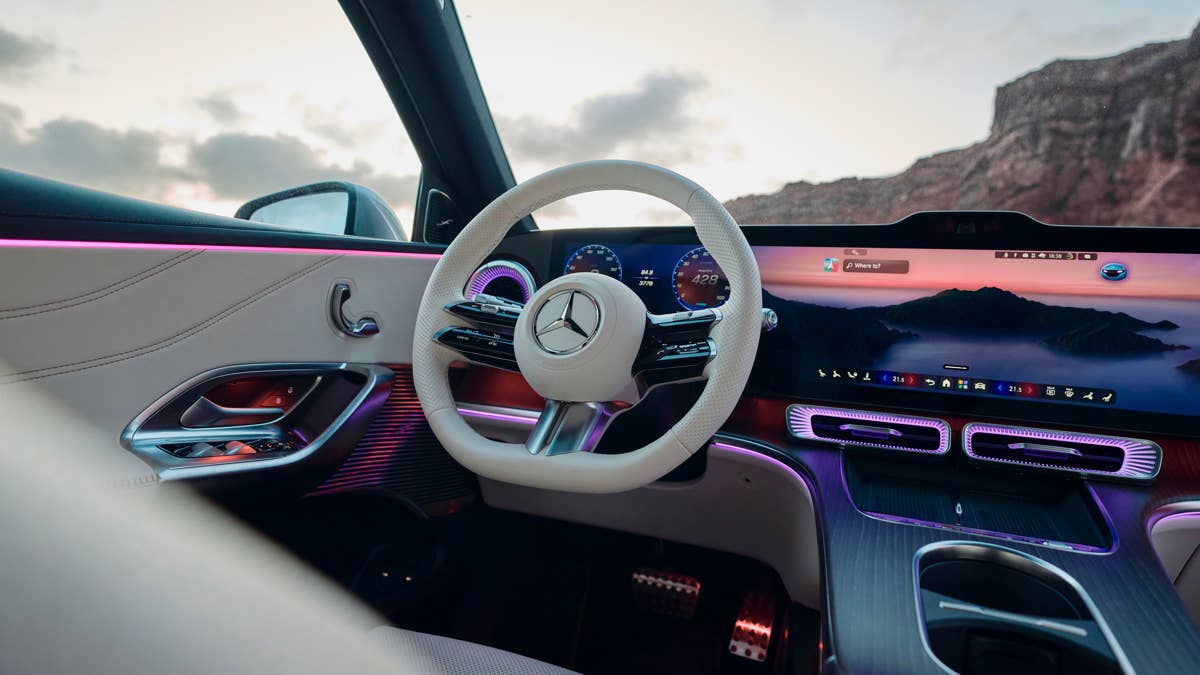
The GLC 400 Electric pairs a 94-kWh usable battery with dual motors generating 483 horsepower and 590 lb-ft of torque. It supports DC fast charging at up to 330 kW, allowing a 10-to-80 percent charge in approximately 22 minutes under ideal conditions, according to Mercedes-Benz estimates. High peak charging speeds combined with lower-than-expected energy draw shorten the time drivers spend tethered to commercial stations.
Competing luxury electric SUVs tested by Edmunds fell short of the Mercedes in both range and implied efficiency. The 2024 Porsche Macan 4 Electric reached 352 miles. The 2025 Cadillac Optiq recorded 339 miles, while the 2027 Audi Q6 E-Tron Prestige managed 337 miles. None matched the 392-mile mark.
EPA range ratings have historically drawn scrutiny from consumers who find their real-world mileage diverges significantly from window sticker numbers, particularly in cold climates or at sustained highway speeds. Automakers calibrate their submissions to meet federal certification requirements, which do not always mirror daily driving patterns. Independent tests like those conducted by Edmunds provide a secondary data point for buyers evaluating total cost of ownership before committing to a six-figure electric vehicle purchase.