Anbernic’s $300 RG DDS Bets Big on Android 16 and Snapdragon
The $299.99 device ships with a Snapdragon G2 Gen 2 chip, up to 12GB of RAM, and a dedicated physical button for AI-driven gameplay assistance.
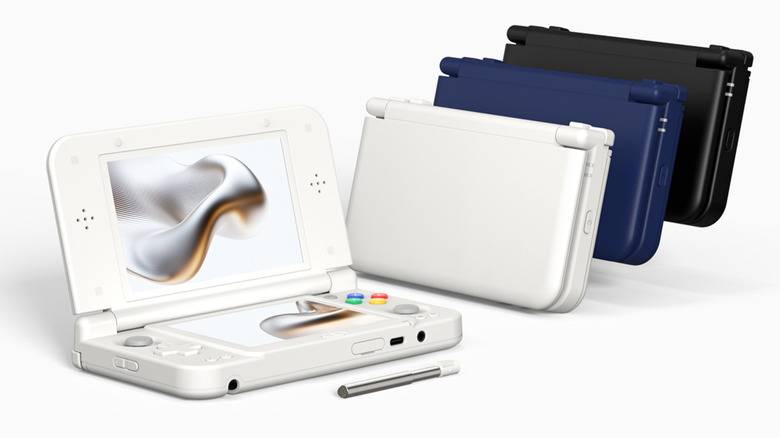
Anbernic is abandoning the sub-$100 retro emulation market. The Shenzhen-based manufacturer confirmed its upcoming RG DDS clamshell handheld will retail for $299.99 when orders begin fulfilling on Dec. 10, 2026, placing it in direct competition with dedicated mobile gaming hardware rather than the budget Linux devices that built the company’s reputation.
The price tag buys a Qualcomm Snapdragon G2 Gen 2 processor. That silicon choice signals a hard pivot toward modern Android gaming. Previous Anbernic clamshells relied on low-power chips strictly limited to emulating 1990s and early 2000s consoles. The G2 Gen 2 pushes raw compute capability far beyond Nintendo 3DS or PlayStation Portable requirements, targeting current-generation mobile titles alongside heavier emulation workloads like PlayStation 2 and GameCube libraries.
Buyers face two memory configurations at launch. The base model pairs 8GB of RAM with 128GB of internal storage. A higher tier bumps those figures to 12GB and 256GB. Both variants include a microSD slot rated for up to 2TB expansion cards, a necessary addition given the file sizes of modern ROM sets and native Android games.

Software separates this release from the broader handheld pack. Anbernic is shipping the device on Android 16. Most competitors in the emulation space still rely on heavily modified versions of Android 11 or 12, which increasingly struggle with compatibility as emulator developers optimize for newer API levels. Running a current operating system out of the box eliminates the need for users to hunt down third-party custom firmware just to run recent builds of RetroArch or standalone emulators.
Connectivity specs include Wi-Fi 6 and Bluetooth 5.4. Video output tops out at 1080p through an external display connection. The chassis houses a six-axis gyroscope for motion-controlled inputs and retains a 3.5mm headphone jack.
A dedicated physical button routes directly to onboard AI processing. According to Anbernic, the feature triggers real-time gameplay translation and context-aware strategy guides pulled during active sessions. The dual-screen layout visually mirrors the 2011 Nintendo 3DS, but the displays operate at higher resolutions without any autostereoscopic 3D functionality.
Preorders carry a temporary reduction to $284.99. Manufacturing batches will roll out in Glacier White, Basalt Black, and Phantom Blue.