Alphabet Debt Quadruples as AI Spending Hits $205 Billion
Long-term borrowing quadrupled while private credit firms push AI lending past $200 billion.
Alphabet’s long-term debt hit roughly $98 billion by the end of June, more than four times what it owed a year earlier. The company posted negative free cash flow in the second quarter for the first time since its 2004 initial public offering.
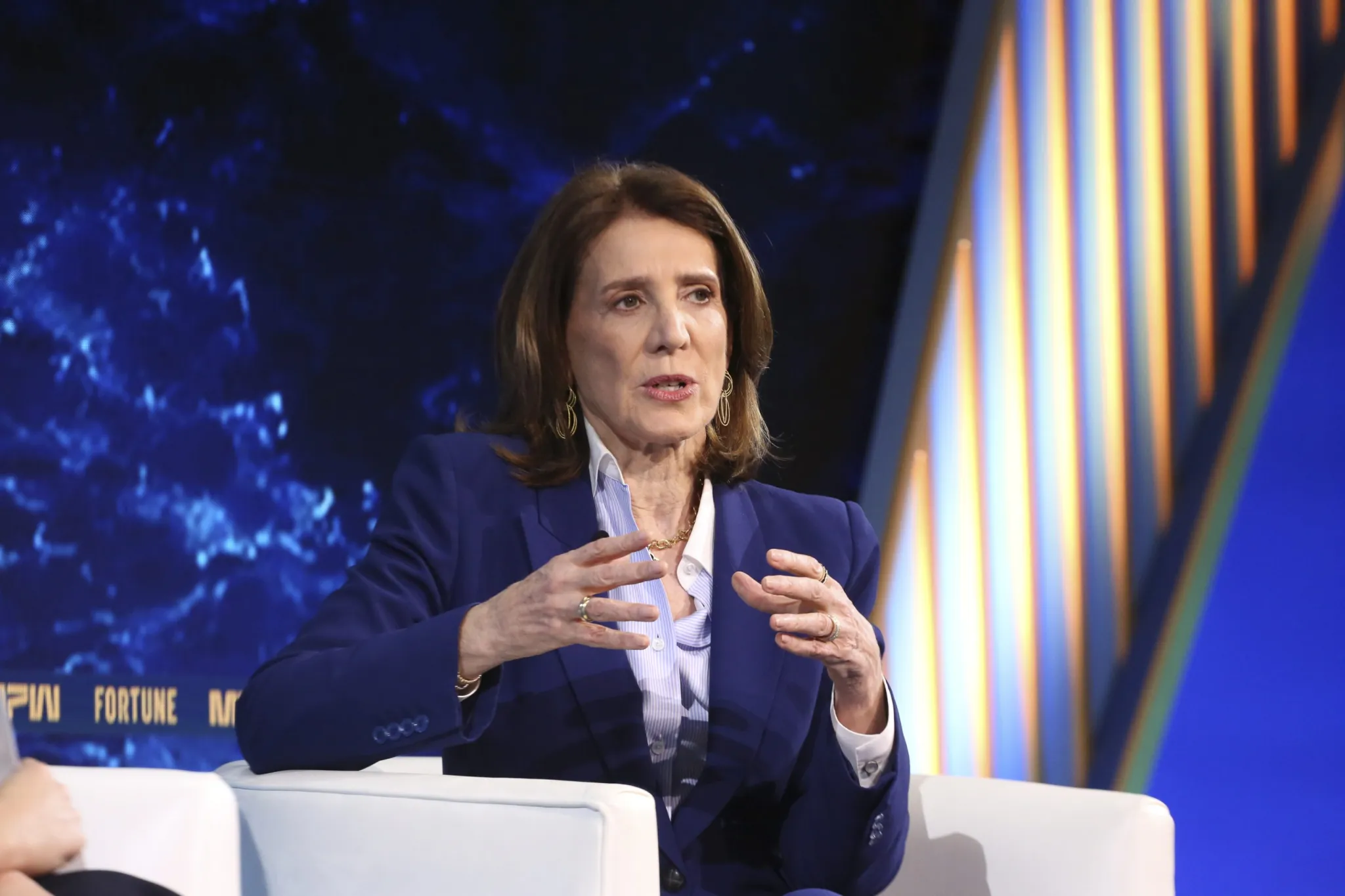
The culprit is a capital expenditure plan projected between $195 billion and $205 billion this year. That figure dwarfs the $91.4 billion Alphabet spent in 2025. President and Chief Investment Officer Ruth Porat confirmed at the Fortune Most Powerful Women Summit this week that spending will climb “significantly more” in 2027.
Alphabet is not building alone. Amazon, Microsoft, and Meta are pouring money into the same race. Combined, the four companies are on track to spend over $720 billion this year, according to Bloomberg-compiled analyst estimates. Almost all of it targets artificial intelligence infrastructure.


Wall Street is split on whether these balance sheets can handle the load.
Jefferies global head of equity strategy Chris Wood warned recently that the most probable outcome of this buildout is massive capital destruction in the U.S. His argument centers on open-weight models, particularly those developed in China, undercutting closed systems from Anthropic, OpenAI, and Google’s Gemini. New financial figures released this week suggest Anthropic’s growth has flattened.
Moonshot AI, a Chinese developer of open-weight models, reported that 70% of its usage now originates outside China.
Porat dismissed the capital destruction thesis. She pointed to sustained demand from businesses and governments seeking operational improvements, arguing that companies adding differentiated value will retain paying customers regardless of model architecture.
Her perspective draws heavily on her tenure leading Morgan Stanley’s technology banking team during the dot-com crash and advising then-Treasury Secretary Hank Paulson through the 2008 financial crisis. She became Morgan Stanley’s CFO in 2010.
“One of the key lessons from the financial crisis was that you should identify your greatest source of vulnerability early and fortify against it,” Porat said. For banks, that vulnerability was liquidity. Today, she argues, it is innovation.
Private credit markets are absorbing much of the overflow that corporate balance sheets cannot. Firms including Blue Owl, Apollo, and KKR have pushed outstanding private loans to AI-related companies past $200 billion. These funds rarely lend to Big Tech directly. Instead, they finance special purpose vehicles and smaller neocloud operators with far less margin for error.
“By the time you need it, it’s too late to say, OK, now we’re going to start,” Porat said.