Hackers Bypass Tesla’s Walled Garden to Force Apple CarPlay
New exploit delivers seamless smartphone integration to Model S and X dashboards.
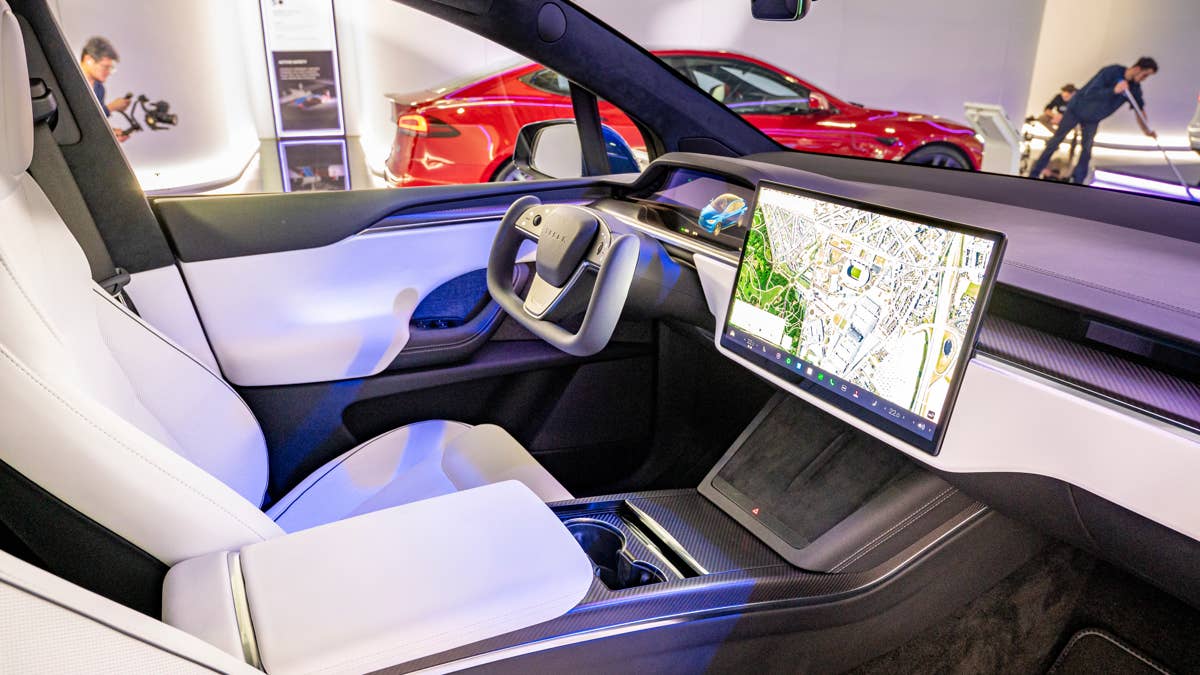
Tesla’s refusal to integrate standard smartphone mirroring protocols has triggered a sophisticated software counteroffensive. Developers Michal Gapinski and Maciej Wilczynski have released CoilShift, an unauthorized application that injects native Apple CarPlay and AirPlay functionality directly into the automaker’s infotainment system.
The project exploits a known vulnerability in Tesla’s MCU3 hardware architecture. Unlike previous browser-based workarounds that suffered from latency and interface fragmentation, CoilShift operates at a deeper system level. It renders the Apple interface within a dedicated window on the vehicle’s central display, enabling lossless audio streaming and full access to Siri microphone inputs without factory authorization.
This development underscores a widening rift between automotive manufacturers and consumer expectations. While legacy brands like General Motors have attempted to monetize dashboard real estate by replacing open standards with proprietary subscription services, Tesla has historically relied on its in-house voice assistant and navigation stack. The latter has consistently lagged behind third-party alternatives in advanced route planning and ecosystem interoperability.


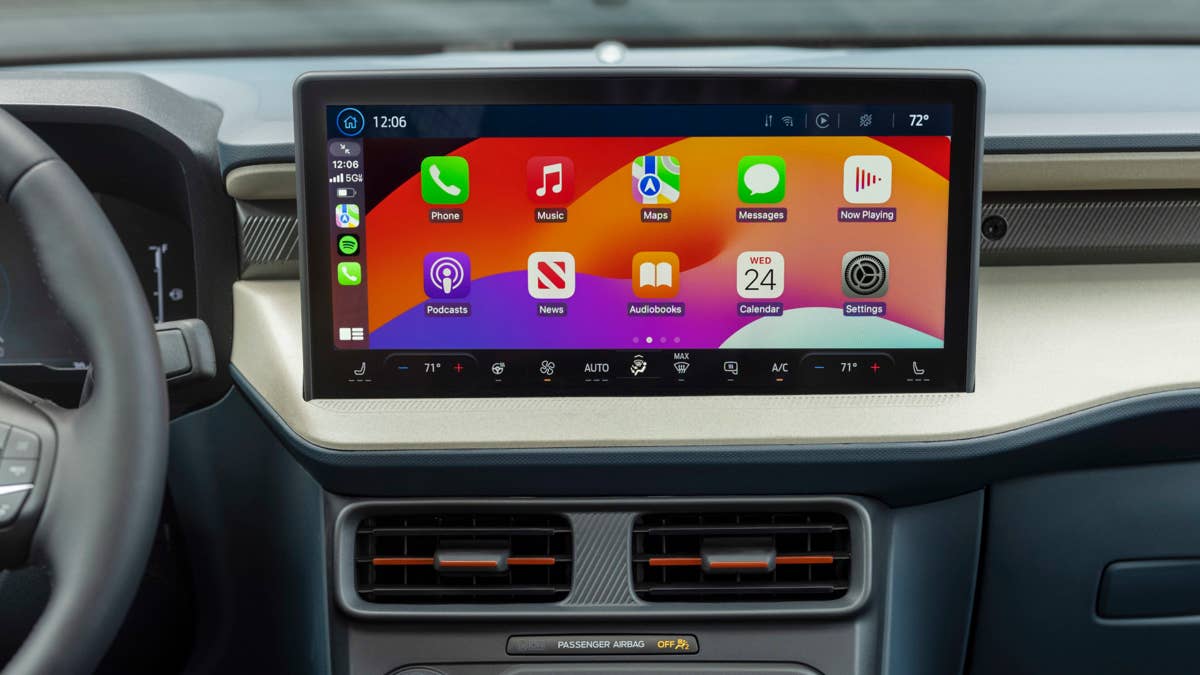
CoilShift effectively turns the Tesla screen into a secondary monitor for external devices via AirPlay, a feature absent from the official software roadmap. The tool isolates the smartphone interface from critical driving data, maintaining safety protocols while delivering the seamless user experience drivers demand. This success highlights the fragility of closed automotive ecosystems when faced with determined third-party engineering.