iPhone Duo Pre-Orders Sell Out, Pushing Deliveries to 2027
Resale listings hit double the retail price as global Apple Store inventories vanish for all storage tiers
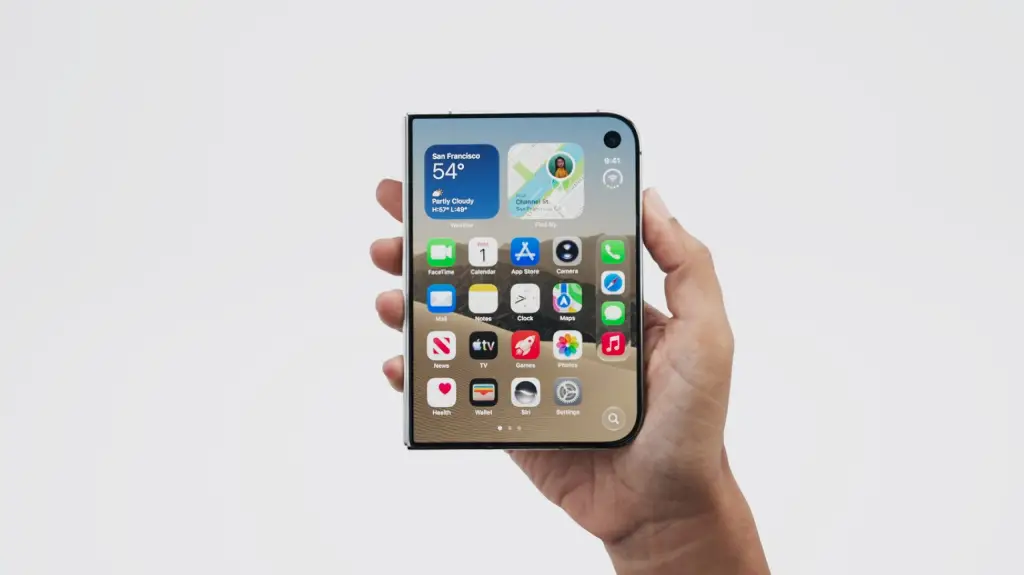
Apple’s first foldable smartphone has triggered an immediate supply crisis. Within minutes of pre-orders opening Friday for the iPhone Duo, estimated delivery windows across global storefronts slipped past November and December, landing on Jan. 22, 2027. The rapid sellout affects every configuration of the device, signaling that initial production runs were vastly outpaced by consumer demand despite the phone’s premium pricing.
Buyers attempting to secure either the Starlight White or Night Sky color options found identical delays regardless of whether they selected the base 256 GB model or the top-tier 2 TB version. Storefront checks in the United States, United Kingdom, France, Mexico, and Spain all reflected the same January 2027 fulfillment timeline shortly after reservations went live. Physical retail availability for the Oct. 23 launch date will be limited to a small fraction of early buyers who secured their orders in the first moments of the rollout.
The scarcity has already spawned a secondary market. Confirmed iPhone Duo pre-order slots are appearing on eBay at nearly double the retail price. Listings for the entry-level 256 GB model, which Apple prices at €2,339, have surpassed €4,400. The 2 TB variant, carrying a retail tag of €3,839, is being flipped for more than €5,000. This resale activity mirrors historical patterns seen during constrained launches of high-profile Apple hardware, though the financial margins here are significantly wider due to the device’s elevated baseline cost.


Owning the iPhone Duo carries substantial financial risk beyond the purchase price. Apple recently published its out-of-warranty repair schedule, revealing that fixing the foldable without AppleCare+ coverage can cost up to €1,719. Foldable displays inherently require complex hinge mechanisms and flexible OLED panels, components that have historically driven repair costs higher than those for traditional slab smartphones. Competitors like Samsung have faced similar pricing structures for their Galaxy Z Fold series repairs, but Apple’s maximum repair fee places the cost of a single accidental drop near the price of a flagship standard smartphone.
Industry analysts anticipated tight inventory for Apple’s entry into the foldable category. Unlike established product lines such as the iPhone 16 or 17 series, where supply chains have been refined over years, manufacturing a foldable iPhone requires new assembly tolerances, particularly for the crease-free display and durable hinge architecture. Yield rates for flexible screens remain lower than those for rigid glass panels, naturally restricting how many units Apple can produce in the first quarter of a launch.
Whether the current three-month wait extends further into February 2027 will depend on how quickly Apple’s manufacturing partners can scale production. For now, customers placing orders through official channels face a wait that stretches well into next year.