Danantara Plans $5B Indonesia Investment After MSCI Downgrade
The sovereign wealth fund targets domestic equities and U.S. shale partnerships as Jakarta races to meet MSCI's April 2027 reform deadline.
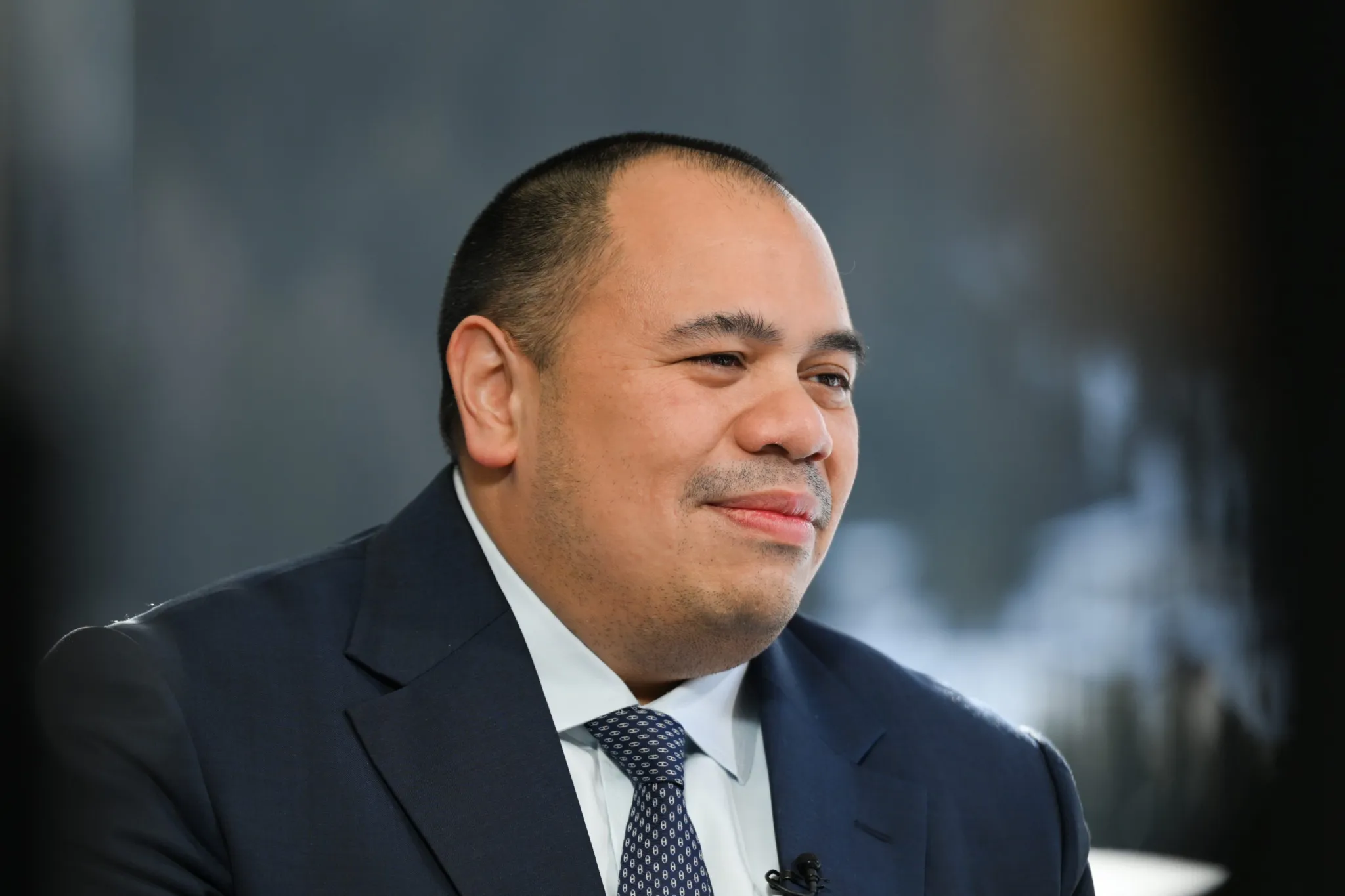
Indonesia’s sovereign wealth fund Danantara is preparing to deploy $5 billion into domestic equities over the next six to nine months, positioning itself as a buyer of last resort after global index provider MSCI proposed stripping the country of its emerging-market status.
The October 15 proposal triggered an 11.6% collapse in the Jakarta Composite Index, compounding a year-to-date decline that now exceeds 40%. Under MSCI’s framework, Indonesia has until April 2027 to implement market reforms or face reclassification to standalone status—a designation typically reserved for markets with severe liquidity constraints, foreign ownership limits, or inadequate settlement infrastructure. A downgrade would force passive funds tracking MSCI’s Emerging Markets Index to liquidate Indonesian holdings entirely, accelerating capital flight from Southeast Asia’s largest economy.
Danantara Chief Investment Officer Pandu Sjahrir said the fund intends to lean into the selloff rather than retreat. Speaking on October 12 at the DBS Asia Future Forward Conference in Singapore, Sjahrir argued that underlying corporate earnings remain intact despite the valuation shock. Consumer-facing stocks have fallen more than 20%, he noted, while mining and energy equities have suffered steeper losses.


Unlike traditional sovereign wealth funds such as Norway’s Government Pension Fund Global or Abu Dhabi’s ADIA, which primarily invest abroad to diversify national reserves, Danantara operates under a dual mandate established by President Prabowo Subianto earlier this year. The fund must generate returns while simultaneously acting as a macroeconomic stabilizer and development engine. Sjahrir described the approach as prioritizing “economic value” over immediate commercial yield, funding projects that deliver high economic multipliers as long as they remain within the fund’s cost of capital.
This structure mirrors elements of Malaysia’s Khazanah Nasional and Singapore’s Temasek Holdings, both of which manage state-linked assets alongside strategic national investments. However, Danantara’s scope is unprecedented in scale for Indonesia, overseeing the corporatization of more than 1,000 state-owned enterprises through its asset management division.
The fund operates across four distinct units. Its investment management arm trades bonds, public equities, and private markets globally. The Danantara Development Management Fund channels long-term capital into infrastructure with extended payback periods, including Java’s coastal Giant Seawall Project and a national coal gasification initiative designed to convert low-grade coal into synthetic natural gas.
A fourth division, Danantara Resources Indonesia, launches in January to centralize commodity exports onto a single digital platform. The initiative will initially cover coal, palm oil, and ferroalloys. Indonesia currently supplies more than 60% of global nickel products, according to Reuters, making the centralization of extractive exports a significant shift in how international buyers access the country’s resources.
Prabowo announced the export consolidation plan in May, a move that unsettled foreign investors already wary of rising state intervention. Dedi Dinarto, associate director at strategic advisory firm FGS Global, warned at the time that layering new state control mechanisms over strategic assets during a period of rupiah weakness risks compounding confidence issues.
To offset concerns about insularity, Danantara is actively pursuing foreign partnerships and recruiting international talent. On October 6, the fund disclosed a $250 million investment in HighPeak Energy, a Texas-based shale producer. Sjahrir characterized the deal as a technology transfer mechanism, allowing Indonesian engineers to study U.S. hydraulic fracturing techniques—expertise largely absent in Indonesia’s conventional oil and gas sector—with downside protection built into the financial terms.
The fund has also hired Daniel Lim and Weihan Wong from Singapore’s GIC to lead its global private markets strategy. Danantara’s headcount now stands at approximately 500 employees.
While FTSE Russell recently reaffirmed Indonesia’s Secondary Emerging classification during its annual review, providing a partial counterweight to MSCI’s stance, the divergence between the two index providers leaves institutional investors navigating conflicting signals. Capital flows will likely remain constrained until Jakarta demonstrates concrete progress on the transparency, settlement efficiency, and free-float requirements demanded by global index compilers ahead of the April 2027 deadline.