Bali Fuel Shortage: Tanker Delay Sparks Panic Buying at Gas Stations
Anchor malfunction and rough seas delayed critical shipments, triggering panic buying for subsidized Pertalite gasoline across the Indonesian resort island.
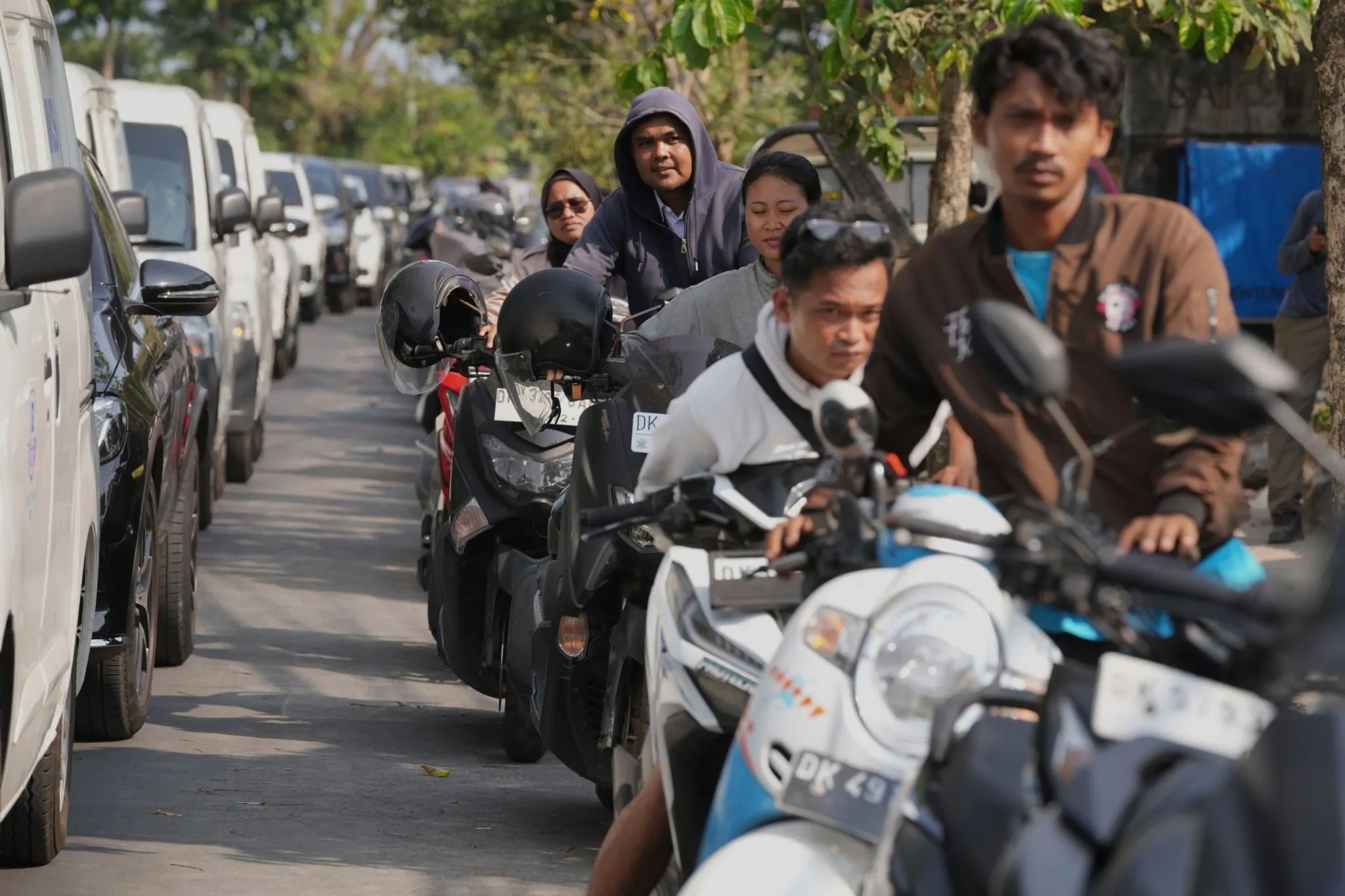
A mechanical failure on a fuel tanker triggered days of panic buying across Bali, paralyzing roads and stranding motorists outside gas stations on Indonesia’s most prominent tourist island. The disruption, which began Sunday, exposed the fragility of Bali’s energy supply chain as residents and businesses scrambled for government-subsidized gasoline.
The crisis originated when a tanker suffered an anchor malfunction while preparing to offload cargo. Rough seas and adverse weather simultaneously slowed maritime traffic into Bali’s two primary receiving points: the Sanggaran terminal in Denpasar and the Manggis terminal in the east. Because the island relies entirely on sea freight for its refined petroleum products, any delay at the port level cascades immediately to retail pumps.
By midweek, state energy company Pertamina confirmed that a replacement vessel had docked carrying 18 million liters (4.8 million gallons) of Pertalite and 2.5 million liters (660,000 gallons) of Pertamax, a higher-octane nonsubsidized alternative. Authorities initiated round-the-clock distribution from storage depots to retail stations to clear the backlog.


Panic buying accelerated the shortage far beyond what the logistical delay alone would have caused. Motorists flooded stations seeking Pertalite, which carries a heavy government subsidy and sells significantly below market-rate fuels. Attendants at several locations were forced to hang signs reading “Sorry, no fuel available,” while queues spilled onto main thoroughfares. Indonesian soldiers deployed alongside local security personnel to manage crowds and maintain order at the most congested sites.
Energy and Mineral Resources Ministry Director-General of Oil and Gas Laode Sulaeman categorized the event strictly as a domestic distribution failure, unrelated to global energy market volatility or national supply deficits. Bali Gov. I Wayan Koster echoed that assessment, confirming depot reserves remained adequate throughout the week and urging residents to halt panic purchasing as 24-hour delivery operations ramped up.
The incident underscores the economic tension surrounding Indonesia’s fuel subsidy architecture. President Prabowo Subianto has kept subsidized pump prices frozen through the end of the year to suppress inflation and protect household purchasing power. That policy places enormous strain on the state budget, particularly as global shipping routes face ongoing disruptions tied to Middle East tensions. Because Pertalite remains artificially cheap compared to nonsubsidized options like Pertamax, consumer demand heavily concentrates on the subsidized tier, leaving the supply chain highly vulnerable to sudden logistical shocks.
For Bali’s economy, which depends almost entirely on tourism and the daily mobility of its workforce, even brief fuel interruptions carry outsized consequences. Residents reported losing entire workdays to the queues. Made Marlianti, a local resident, said she waited approximately seven hours under the sun for fuel. Febi Marsha, who operates a fashion store on the island, criticized authorities for failing to implement crowd control before the lines paralyzed adjacent streets.
Pertamina continues to monitor retail inventory levels across the island as the delayed shipments are processed through the Sanggaran and Manggis terminals.