VOA Shutdown Costs $82M a Year While Broadcasts Stay Dark
A federal judge blocked the workforce reduction, leaving hundreds of broadcasters on paid administrative leave while transmissions remain suspended.
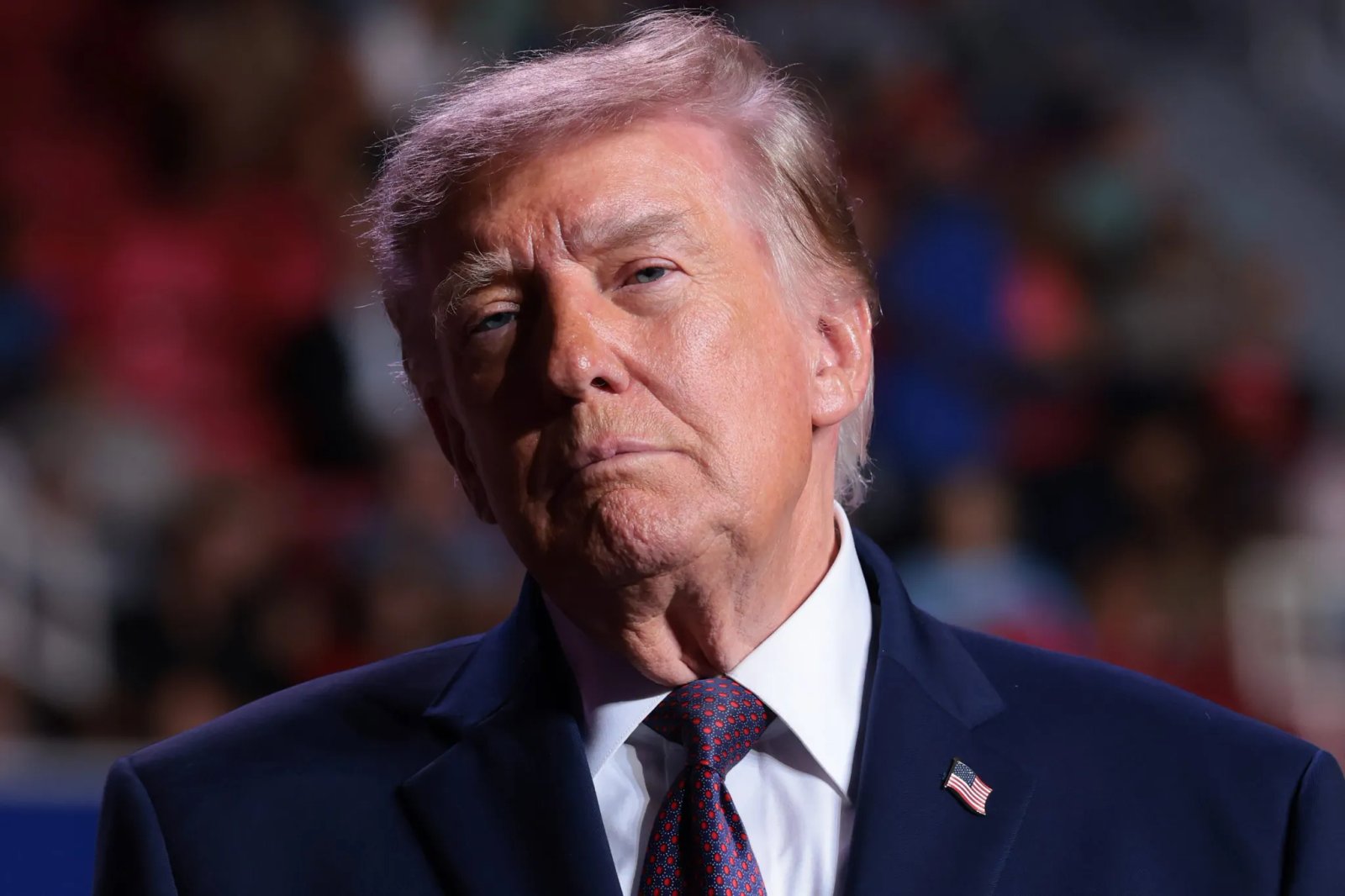
A federal court order has left Voice of America trapped in an expensive operational limbo more than 18 months after the Trump administration attempted to dismantle the U.S. international broadcaster. Roughly 420 employees remain on paid administrative leave as of mid-2026, draining approximately $3.2 million biweekly from federal coffers while producing no journalism.
The financial toll stems directly from a legal blockade that froze a planned reduction in force. U.S. District Judge Royce Lamberth ruled in March 2026 that the executive branch’s effort to wind down the United States Agency for Global Media, VOA’s parent organization, violated the law. Lamberth ordered more than 1,000 employees back to work, concluding the administration took “immediate and drastic action” without accounting for USAGM’s statutory mandates or the global consequences of silencing the network.
Because litigation over the workforce reduction continues, the agency cannot finalize its staffing cuts. The resulting payroll drain translates to an estimated $82.8 million annually for personnel who have been barred from broadcasting since operations ceased in early 2025.


The paralysis represents a stark reversal for a network that had transmitted continuously since its inaugural broadcast in February 1942, when it delivered anti-Nazi programming to occupied Europe. Congress formalized VOA’s mission through the U.S. International Broadcasting Act of 1994, legally requiring the service to provide accurate, objective news to audiences in countries lacking press freedom. That statutory obligation is precisely what prevents any president from unilaterally abolishing the network via executive order alone.
When the White House directed USAGM in March 2025 to strip its operations down to the legal minimum, the agency initially placed 994 of its 1,147 federal workers on administrative leave and terminated 594 of 602 contract staff. The sudden halt severed broadcasts reaching an estimated 361 million weekly consumers across 49 languages.
An Office of the Inspector General report detailed how the rushed drawdown bypassed standard federal protocols. Investigators found the agency failed to evaluate how losing experienced technical staff would cripple transmission infrastructure before placing those workers on leave. Furthermore, USAGM could not verify 99% of the documentation required to track the disposal of broadcasting equipment and physical property during the downsizing, raising concerns about potential mismanagement of government assets.
The inspector general also noted that leadership never assessed the strategic damage caused by darkening VOA’s signals. Unlike domestic public media such as NPR or PBS, which serve American audiences, VOA is engineered specifically as a tool of U.S. soft power aimed at closed societies. Its editorial independence is protected by a legislative firewall designed to prevent political interference in daily news coverage, a safeguard that has historically insulated the network from both Democratic and Republican administrations.
Supporters of the closure argued the network had drifted from its core mission. Former VOA correspondent Dan Robinson publicly accused the outlet of operating with partisan bias and avoiding accountability for journalistic standards prior to the shutdown.
USAGM oversees five other networks alongside VOA: Radio Free Europe/Radio Liberty, Radio Free Asia, the Middle East Broadcasting Networks, Radio Free Europe/Radio Liberty’s Current Time TV, and the Office of Cuba Broadcasting. The broader agency was restructured under the 2016 National Defense Authorization Act, replacing the former Broadcasting Board of Governors with a CEO-led model intended to streamline management.
As of July 2026, VOA’s digital platforms and shortwave radio frequencies remain largely inactive. The agency continues to pay biweekly administrative leave salaries while awaiting the resolution of the federal court proceedings governing its mandated restructuring.