

Deported Nicaraguan Dissident Jailed After U.S. Removal
Jeffrey Jarquín was flown to Managua and jailed despite requesting third-country removal, as U.S. deportations to Nicaragua nearly double.
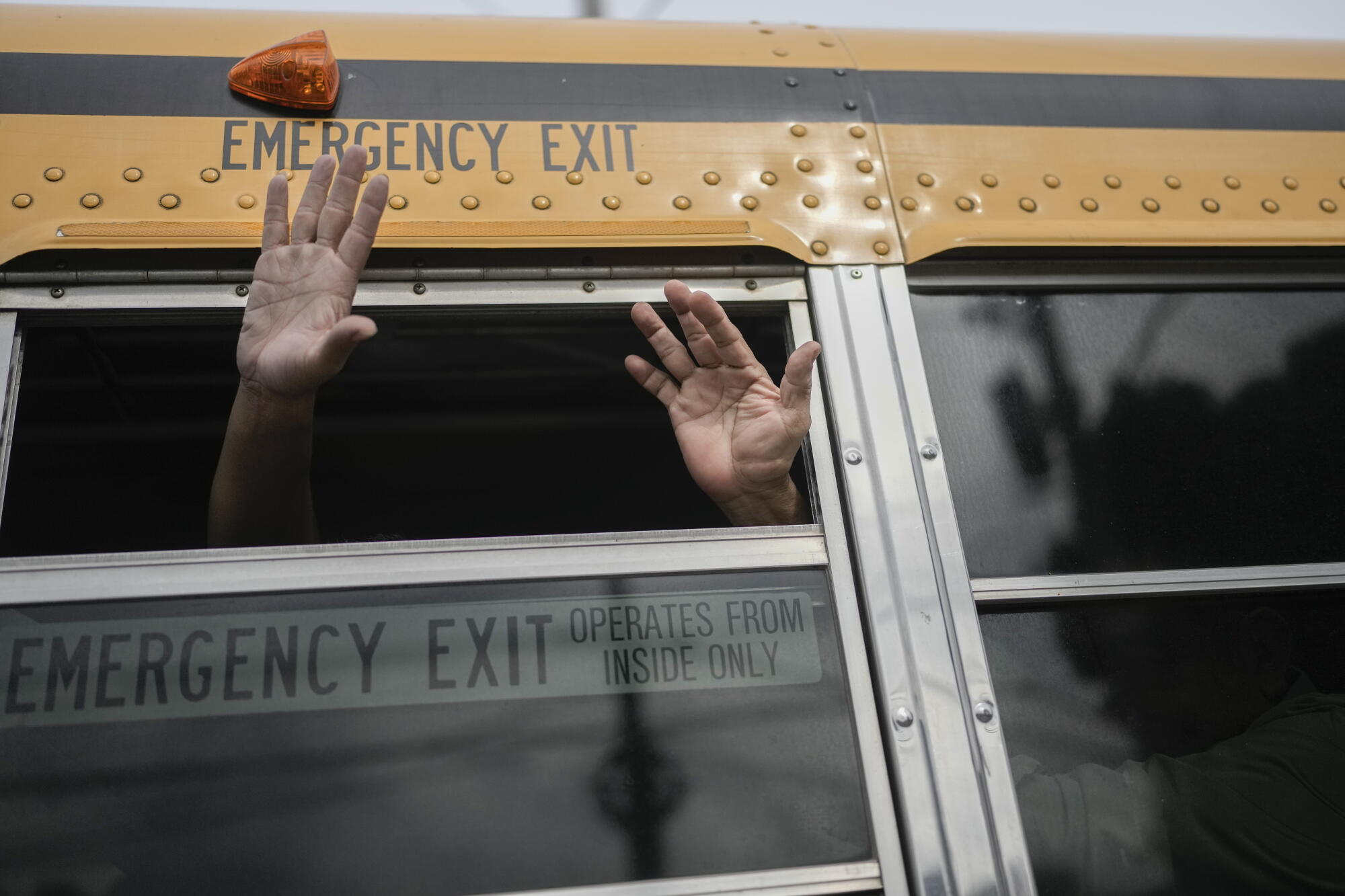
A 35-year-old Nicaraguan dissident who survived months of documented torture in a Central American prison was flown directly back into the custody of the same government immediately after landing on a deportation flight from the United States last week.
Jeffrey Jarquín, a former student protest leader and political asylum seeker, was transferred to Modelo prison in Managua upon arrival, according to relatives and human rights advocates tracking his case. The facility is where he previously spent nine months incarcerated for participating in the 2018 pro-democracy uprising against President Daniel Ortega.
The removal exposes a widening contradiction in Washington’s approach to Nicaragua. While the Trump administration has imposed targeted sanctions on Ortega, his wife and co-president Rosario Murillo, and senior regime officials, its simultaneous enforcement-driven immigration agenda is delivering persecuted dissidents straight back to the authorities those sanctions are meant to punish.


Jarquín’s trajectory through the U.S. immigration system illustrates how quickly legal protections can collapse for politically targeted migrants. He arrived in Miami after fleeing first to Costa Rica and then seeking refuge in the United States following his 2019 release from Modelo. During that initial imprisonment, guards burned his genitals with cigarette butts, according to accounts he provided to journalists and international investigators documenting the regime’s abuses.
In Miami, he remained a visible figure in the exile opposition, frequently leading protests with a megaphone and posting photographs alongside prominent Republican critics of the Sandinista government, including Secretary of State Marco Rubio.
His legal standing unraveled after a February arrest in Miami on an assault charge. Although a judge dismissed the criminal case, Immigration and Customs Enforcement used the detention window to initiate removal proceedings. An immigration judge subsequently denied his asylum claim. Advocates who represented him, including Muriel Sáenz, stated that Jarquín consented to deportation but explicitly requested transfer to a third country rather than return to Nicaragua. U.S. authorities placed him on a direct flight to Managua instead.
Under Article 33 of the 1951 Refugee Convention, signatory nations — including the United States — are prohibited from engaging in refoulement, the forced return of any individual to a territory where they face a credible threat of persecution or torture. Human Rights Watch deputy Americas director Juan Pappier warned that deportations to Nicaragua risk violating this foundational tenet of international law, noting that the U.S. government possesses extensive intelligence confirming the regime’s authoritarian practices.
The volume of removals underscores a broader operational shift. Between January and July of this year, the U.S. deported more than 6,300 Nicaraguans, nearly double the 3,323 removed during the same period in 2025, according to an analysis of federal data by Human Rights Watch.
This surge threatens to unravel a specific diplomatic achievement from 2023, when the State Department negotiated the release of dozens of high-profile Nicaraguan political prisoners. Those individuals were flown to the U.S., granted temporary humanitarian parole, and permitted to apply for asylum. Immigration agents have recently begun arresting members of that exact cohort as the administration narrows asylum eligibility and expands the criteria for expedited removal.
For some Nicaraguans caught in the current enforcement dragnet, the U.S. has utilized third-country deportation agreements, sending migrants to African nations where they have no established ties. But direct repatriations to Managua continue despite warnings from exile organizations.
Ortega, now 81 and the longest-serving head of state in the Americas, governs alongside Murillo. The couple, who rose to prominence as leftist revolutionaries fighting the Somoza family dictatorship decades ago, have systematically dismantled institutional checks on their power. Over the past several years, the government has shuttered independent media outlets, revoked the legal status of hundreds of nongovernmental organizations, stripped opponents of their citizenship, and jailed or expelled virtually every viable political rival. The Nicaraguan government has not responded to inquiries regarding Jarquín’s current status.
The 2018 uprising that defined Jarquín’s activism began as a response to social security reforms before expanding into a nationwide demand for free elections. The government’s crackdown killed more than 300 people, according to the Inter-American Commission on Human Rights. Jarquín helped occupy two public universities during the unrest and later sought refuge inside a Catholic church while pro-government paramilitary forces fired upon the building, an attack that drew international condemnation and became a defining image of the repression.
Friends and family members in the U.S. say they have received no official confirmation of his condition since his arrival at Modelo. Ronmell López, a friend advocating for his release, demanded the regime guarantee Jarquín’s physical safety.
U.S. Deputy Assistant Secretary of State for Western Hemisphere Affairs Juan Pablo Segura recently characterized the Ortega-Murillo government as a “brutal dictatorship that is stealing, lying and murdering.”









