

Fed’s First Rate Hike Since 2023 Signals End of Easy Money Era for Consumers
Why Variable-Rate Borrowers Face Immediate Costs While Savers Gain Returns

The era of static interest rates ended abruptly this month when the Federal Reserve raised its benchmark federal funds rate by 25 basis points, lifting the target range to 3.75%-4%. This unanimous vote marks the central bank’s first increase since July 2023, breaking a streak of five consecutive meetings where policymakers held rates steady despite persistent inflationary pressures. For millions of American households, this decision serves as a definitive signal that the cost of borrowing is no longer capped at recent lows, fundamentally altering financial planning strategies for variable-rate debt holders.
While the immediate mechanical impact on consumer bills appears modest—adding roughly 0.25 percentage points to adjustable instruments—the psychological and strategic shift is significant. George Kamel, co-host of “The Ramsey Show,” notes that borrowers with credit cards or home equity lines of credit (HELOCs) will see their annual percentage rates (APRs) tick upward almost immediately. A credit card balance previously carrying a 28% APR may now sit closer to 28.25%, while new fixed-rate mortgage applicants might face starting offers near 6.25% rather than 6%. These figures underscore a broader trend: lenders are recalibrating risk premiums in response to tighter monetary policy.
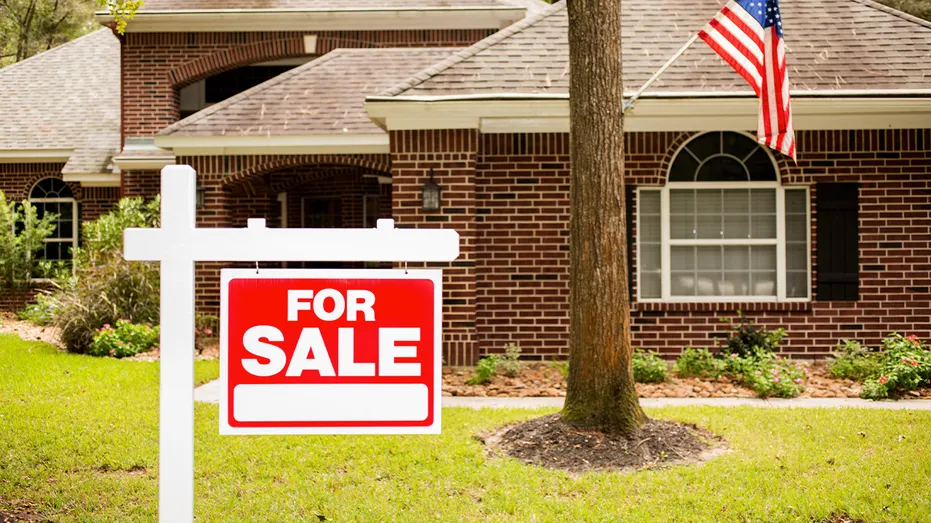


Mortgage markets operate under different mechanics than credit facilities. Home loan rates are primarily driven by yields on the 10-year U.S. Treasury note and broader bond market sentiment, not solely by the Fed’s overnight lending rate. Consequently, prospective buyers often experience lagged effects compared to credit cardholders. However, the directionality remains consistent. As the Fed signals a hawkish stance to combat stubborn inflation, long-term yields tend to rise, pushing mortgage costs higher. For first-time homebuyers already struggling with affordability thresholds, even marginal increases can disqualify them from certain loan programs, effectively narrowing the path to homeownership.
Conversely, savers stand to gain from this pivot. High-yield savings accounts and certificates of deposit (CDs) typically adjust downward during rate cuts but upward during hikes. Banks compete for deposits by passing through some of the increased yield environment to consumers. Those maintaining emergency funds or saving for down payments in liquid, interest-bearing vehicles will see improved returns without taking on additional investment risk. This dynamic creates a clear bifurcation in household finance: those reliant on borrowed capital face steeper costs, while cash-rich individuals enjoy better passive income streams.
Financial experts advise against panic over single-basis-point changes, emphasizing structural adjustments instead. Kamel recommends aggressive prioritization of variable-rate debt elimination using methods like the “debt snowball,” which targets smallest balances first to build momentum. The core principle remains unchanged regardless of Fed movements: minimize exposure to floating-rate liabilities. With the central bank indicating it has not yet declared victory on inflation, further tightening cannot be ruled out. Consumers who lock in fixed-rate obligations or accelerate debt repayment insulate themselves from future volatility. The ultimate goal is financial resilience, ensuring personal net worth growth does not depend on macroeconomic whims.









