

3-Ingredient Chipotle Marinade for Taco Night Protein
Canned smoked jalapeños deliver the acid, fat, and aromatics needed to tenderize meat without building a complex spice blend.
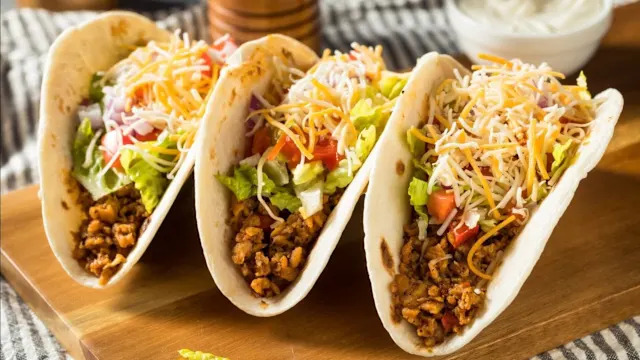
A single can of chipotles in adobo contains every chemical component required to tenderize and flavor meat, eliminating the need for complex spice blends when preparing proteins for tacos. Combined with lime juice and ground cumin, the canned peppers form a complete marinade that works across chicken, beef, pork, and other taco fillings without requiring additional oils or acids.
Standard culinary marinades rely on three functional categories: an acid to break down muscle fibers, fat to carry flavor compounds into the tissue, and aromatics or spices for taste. Chipotles in adobo satisfy all three simultaneously. The product consists of dried, smoke-cured jalapeño peppers rehydrated and packed in a purée of tomatoes, oil, vinegar, garlic, onion, sugar, and salt. The vinegar and tomato provide the necessary acidity, the added oil delivers the fat content, and the smoking process introduces phenolic compounds that penetrate meat surfaces more effectively than raw spices.
Lime juice amplifies the acidic environment. Citrus acids—primarily citric and ascorbic—denature surface proteins faster than vinegar alone, which accelerates the tenderizing process. Ground cumin contributes earthy terpenes that complement the smokiness of the chipotles without competing with the citrus brightness.



Preparing the mixture requires blending the entire contents of the can—both the purée and whole peppers—with approximately one ounce of lime juice and several shakes of cumin until smooth. Using only the sauce leaves behind the concentrated capsaicin and smoky flavor locked inside the pepper flesh. Blending ensures even distribution so the marinade fully coats and submerges the protein.
Marinating time depends on the density of the meat. Poultry and pork absorb the mixture rapidly; 30 minutes produces noticeable flavor penetration, though up to four hours yields deeper results. Denser cuts like flank steak or skirt steak benefit from longer exposure, up to 24 hours. However, leaving any protein in a highly acidic marinade beyond 24 hours causes the exterior texture to turn mushy as the acid breaks down too much connective tissue. Unlike dairy-based marinades such as buttermilk or yogurt, which buffer acidity through calcium and casein, this chipotle-lime combination acts aggressively and requires stricter timing.
The technique traces directly to traditional Mexican adobo, a preservation method developed before refrigeration. Indigenous cooks originally used ground chilies, vinegar, and herbs to cure meats and extend their shelf life. Modern canned chipotles in adobo replicate this centuries-old formula industrially, standardizing the ratio of smoke, acid, and heat into a shelf-stable pantry staple.
Because the base ingredients are non-perishable pantry items, preparation depends entirely on having fresh or bottled lime juice available. Bottled organic lime juice provides consistent acidity levels year-round, avoiding the variance found in fresh limes depending on season and ripeness. Once blended, the marinade stores in a sealed container in the refrigerator for immediate use or short-term holding.
After marinating, the protein can be grilled over high heat to char the sugars in the adobo sauce, seared in a cast-iron skillet, or broiled. The residual marinade clinging to the meat caramelizes during cooking, forming a crust that locks in moisture while delivering concentrated smoke and citrus flavors characteristic of taqueria-style preparations.
Major U.S. brands including La Costeña, San Marcos, and Embasa dominate grocery shelves nationwide, offering consistent heat levels ranging from mild to medium-spicy. Most standard cans contain between five and seven whole chipotle peppers packed in roughly seven ounces of sauce, providing enough volume to marinate up to two pounds of meat per batch.









