The Psychology of the ‘Final Date’ After a Breakup
Psychologists explain why recreating early relationship magic at spots like the Kibitz Room fails to reverse a partner's decision to leave.
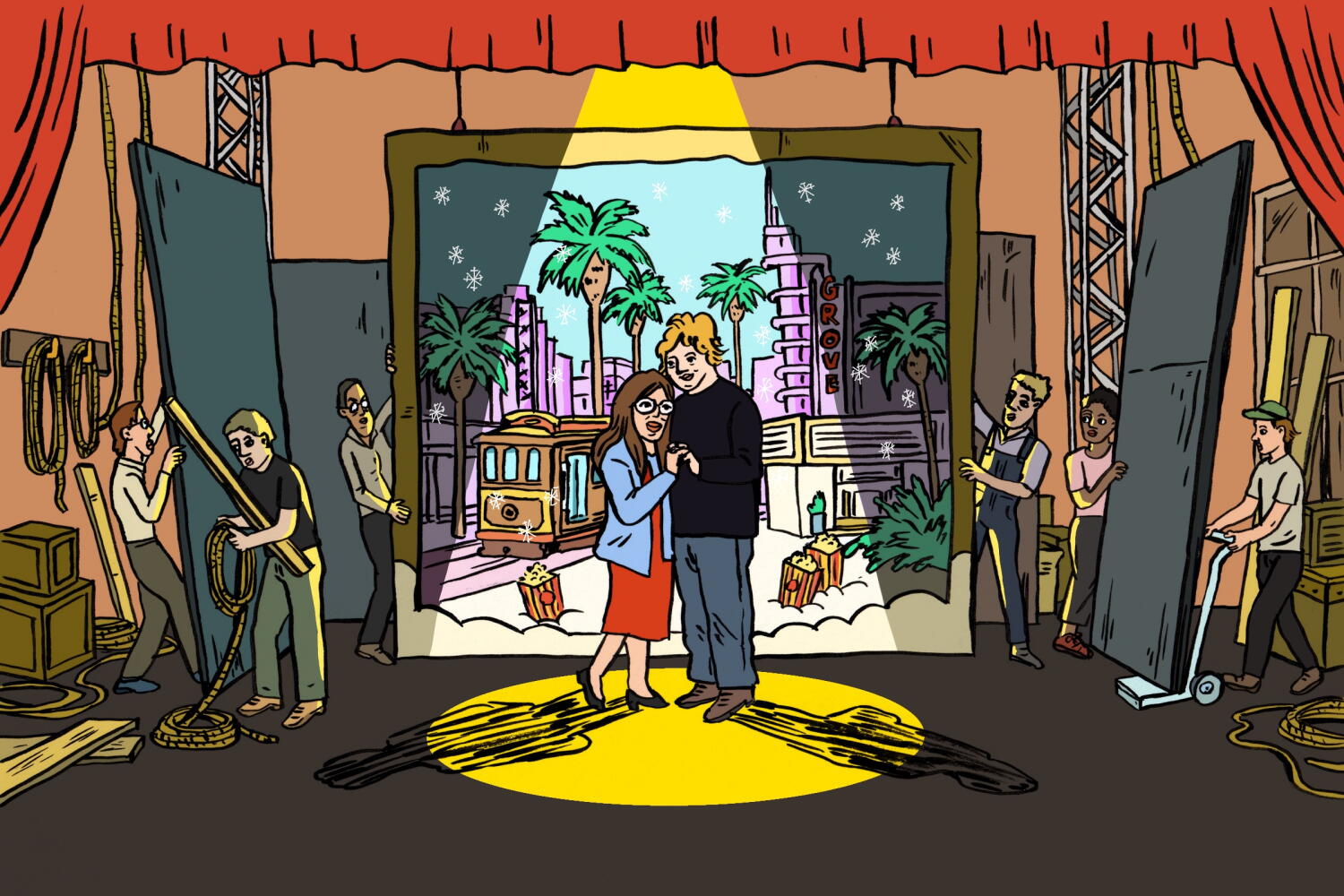
Relationship experts warn that staging a perfect final outing after a breakup rarely reverses a partner’s decision, yet the impulse to try remains one of the most common behaviors in modern dating. The phenomenon, often driven by a psychological need for closure or control, frequently plays out across Los Angeles neighborhoods where entertainment industry professionals navigate blurred lines between personal and professional lives.
When a seven-month relationship ends because one partner claims a lack of strong romantic feelings, the rejected party often attempts to manufacture a scenario designed to prove those feelings exist. This strategy relies on what psychologists call “effort justification” — the belief that if an experience is flawless enough, it will overwrite previous emotional deficits. In practice, however, the partner who initiated the breakup typically experiences the final date as a temporary emotional release rather than a genuine change of heart.
The dynamic is particularly acute among adults in their 30s working in comedy and television writing, where irregular schedules and project-based employment create intense reliance on romantic partners for stability. A writer on the Apple TV+ series “Platonic,” which explores the complexities of adult friendships and relationships, recently documented this exact cycle. Living in West Hollywood, she attempted to win back a partner by recreating their early dating rituals: a walk to the Grove shopping center, a movie at the AMC theater with a shared tub of popcorn, and drinks at the Kibitz Room, the historic dive bar attached to Canter’s Deli on Fairfax Avenue.


The Kibitz Room has long served as a gathering place for Los Angeles creatives, musicians, and writers since its establishment in 1962. Its late-night atmosphere and live music make it a frequent backdrop for the city’s relationship milestones and unravelings. Announcing a fresh breakup to the bar’s patrons and receiving celebratory shots from strangers illustrates how public spaces in Los Angeles function as communal processing centers for private grief.
Attempting to treat a final date like a consequence-free event — a concept the writer compared to the premise of the horror film franchise “The Purge” — strips away the boundaries necessary for emotional recovery. During the initial months of a relationship, couples often bond through rapid-fire shared experiences and cultural touchstones. Discovering mutual interests, such as reading Bob Odenkirk’s memoir or watching Phoebe Waller-Bridge’s “Fleabag,” accelerates intimacy. Surviving a shared illness, including a bout of COVID-19 spent binge-watching Showtime’s “Yellowjackets,” can further cement a trauma-bonded closeness that makes separation feel physically painful.
However, behavioral red flags that emerge mid-relationship — such as phone secrecy, reluctance to use labels like “girlfriend,” or deflecting declarations of love — usually indicate a fundamental mismatch in attachment styles. According to attachment theory, individuals with avoidant tendencies often withdraw when a relationship deepens, regardless of how perfectly a partner behaves during a crisis or a planned evening.
The morning after a highly orchestrated final date typically reveals the reality of the situation. The urgency and tenderness displayed under the influence of alcohol and impending loss evaporate once the threat of separation is actualized. The initiating partner returns to baseline behavior, checking their phone and preparing to move forward, while the other is left to process delayed grief.
Recovery from this specific type of emotional whiplash requires breaking the cycle of contact. Blocking a former partner’s phone number prevents the intermittent reinforcement that keeps people tethered to failed relationships. While some retreat entirely — joking about entering a nunnery — others eventually return to dating applications like Bumble.
The challenge of re-entering the dating pool lies in separating the idealized version of past dates from the reality of the relationship itself. Replicating a specific route through Los Angeles — from a neighborhood apartment to the Grove, then to Fairfax Avenue — with a new person risks projecting old dynamics onto fresh connections. Yet acknowledging what made those moments enjoyable remains a necessary step in defining future relationship standards.
The author, who maintains an Instagram presence under the handle @reeshmeese, continues her work as a staff writer in television while navigating the Los Angeles dating landscape. Her essay was acquired through the Los Angeles Times’ L.A. Affairs column, a long-running feature that pays $400 for published first-person accounts of romance in the region and accepts submissions via LAAffairs@latimes.com.