The Nick Ryan Possession Charge Rests on Two Syringes, Not a Positive Test
Possession is the charge. The stewards' papers allege no administration and report no positive test.
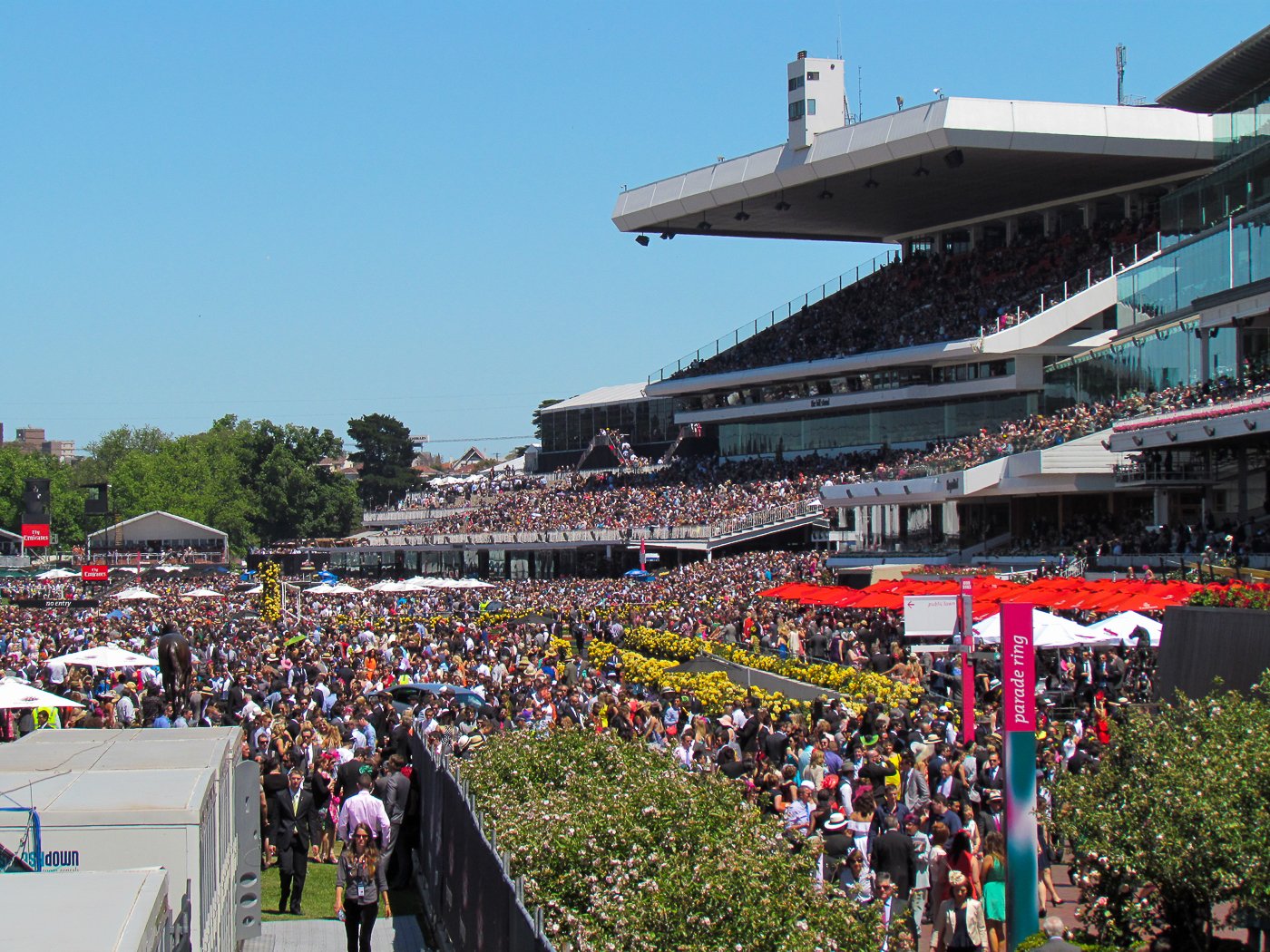
Racing Victoria stewards opened the inquiry on Saturday morning, after the Compliance Assurance Team inspected Nick Ryan’s stables at Flemington and, in the stewards’ own particulars, found the trainer with two syringes of darbepoetin alfa in the glove box of his motor vehicle. Ryan was charged the same day with a breach of AR 250(a), which makes possession of a substance on Prohibited List A an offence. He reserved his plea. The inquiry was adjourned, first to Monday, and then for 28 days.
AR 250 covers possession. Detection in a sample is covered separately, under AR 242, and administration is covered under AR 243 and AR 244. The Nick Ryan possession charge rests on the first of those rules, and the stewards’ Saturday and Monday statements allege possession and nothing else. No horse that was given darbepoetin alfa is named in them, no positive sample from any horse is reported, and the statements do not say a syringe was used. Darbepoetin alfa sits in the first entry of Prohibited List A, among the erythropoiesis-stimulating agents banned at all times, alongside EPO and Mircera.
At noon on Saturday, stewards withdrew Anglais from the Wakeful Stakes and Doubt Time from the Coolmore Stud Stakes. They acted under AR 23(d), which lets stewards make any direction or order they think fit in the interests of racing while a charge awaits determination. On Monday, Ryan was absent. Stewards accepted documented evidence that he was unable to attend, suspended his licence to train horses with immediate effect, and withdrew two more horses, Terrortorian from Race 2 on Tuesday and Haaracaine from Race 5 on Thursday. Neither horse was entered in the Melbourne Cup itself, Race 7 on the Tuesday card, a point some of the first reports blurred. Ryan has trained 275 winners since taking out his licence in 2014, according to 7NEWS. Stewards said they were in the process of approving the transfer of all horses under Ryan’s care to other licensed trainers.


Darbepoetin alfa reached the stewards’ papers as a human medicine. In Australia it is sold as Aranesp, a Schedule 4 prescription-only medicine, and the Therapeutic Goods Administration lists its indications as anaemia associated with chronic renal failure and anaemia in patients receiving chemotherapy for non-myeloid malignancies, where it reduces transfusion requirements. The molecule carries five N-linked carbohydrate chains, two more than erythropoietin, and its terminal half-life in people is roughly three times that of epoetin alfa when given intravenously. In patients with chronic kidney disease, increased haemoglobin is not generally observed until two to six weeks after treatment starts.
A 2021 review in the journal Genes, looking for markers of recombinant human erythropoietin micro-dosing in Thoroughbreds, reported a single small study showing increased aerobic power and performance in horses. Those horses had been splenectomised. The review stated that no other studies to that date had evaluated the efficacy of erythropoietin administration in horses. The spleen matters because it stores red blood cells. One veterinary pharmacology review puts the store at up to 30 per cent of the total red blood cells. The store is released into circulation when the spleen contracts during exercise. A 2016 treadmill study in five splenectomised horses found erythropoietin treatment raised haematocrit and maximal oxygen uptake. The same review noted the detection problem from the other side: recombinant human erythropoietin has a half-life of about 12.9 hours in horses, and micro-dosing is unlikely to be detected. The studies tested recombinant human erythropoietin in horses without spleens.
Victorian trainer Richard Laming pleaded guilty in 2010 to seven charges after out-of-competition samples from two horses returned darbepoetin in 2009, and the Racing Appeals and Disciplinary Board disqualified him for three years. Three charges alleging administration were dropped, and the board’s chairman noted the case was not an administration case while still calling it one of considerable significance. A tribunal later confirmed the disqualification, stressing deterrence for offences it described as difficult to detect. In a South Australian case decided after a sample taken in January 2025 from Rubikton returned recombinant human EPO, trainer Darryl Carrison pleaded guilty to a detection offence and stewards imposed four years, reduced to three on appeal. In Western Australia in 2007, participant Clinton Hall received a five-year worldwide disqualification after stewards prosecuted him over a parcel containing darbepoetin alfa.
Mark Bourke, commenting on Facebook, wrote “Ban for life”. Darcy O’Shea, on the same post, wrote, “While I don’t condone what has potentially happened until they find out what has truly happened everyone has the right to be innocent until proven guilty”. Bourke’s verdict and O’Shea’s caution sit on opposite sides of the plea Ryan entered. Craig Hutchins asked why swabs were not picking the drug up, and answered himself that testing would always sit behind a synthetic drug that kept changing. His question about testing is the one the published research answers most directly, with the short half-life and the short detection window. Sharon Lee Marriott asked the question the stewards’ papers do answer: “Did a horse test positive ???” The papers allege possession and report no positive test.
Rhys Melville, Racing Victoria’s manager of the Compliance Assurance Team, reported the inspection that opened the inquiry. Evidence on the first day was taken from Melville, from Racing Victoria regulatory veterinarian Dr Edwina Wilkes, and from Ryan. Stewards said they would continue their inquiries with Ryan and with permitted veterinarian Dr Luke Campbell, after taking evidence from Campbell into his conduct at the time of the Saturday inspection.