H5 Bird Flu Reached Macquarie Island. The 13,000 Dead Seals on Heard Island Say What’s Next
The national ledger is 715 confirmed wildlife events and 66,411 hotline reports. Tasmania is hand-vaccinating 100 albatrosses — and nothing on the mainland side of the count can protect Macquarie's seals.
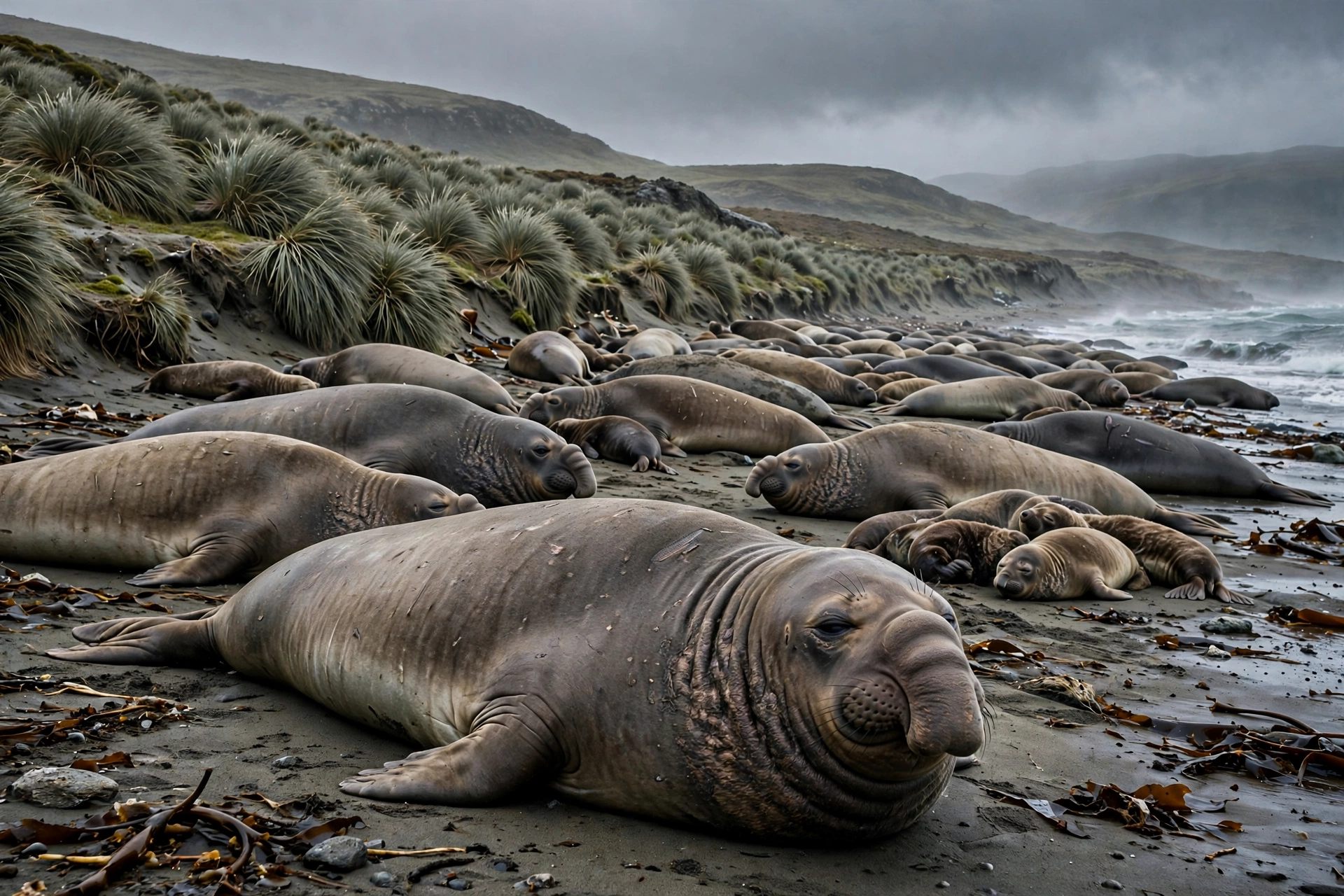
On October 17, Australia confirmed its first case of H5N1 bird flu on Macquarie Island. The samples came from an elephant seal and a kelp gull. The island is a sub-Antarctic territory, a UNESCO World Heritage site about 1,500 kilometers southeast of Tasmania — and one of the Southern Ocean’s great breeding grounds for southern elephant seals, animals that can reach 3,600 kilograms and whose pups die of this virus at rates above 90 percent in the worst outbreaks.
That last figure is not a projection. It’s a count.
Over the 2025/26 summer, on Heard Island — another Australian sub-Antarctic territory, where H5 arrived a year earlier — the virus killed more than 13,000 baby elephant seals. In the worst-hit harem, 97 percent of pups were recorded dead. The Australian Marine Conservation Society published those numbers on October 8.


Nine days later, Macquarie joined the ledger.
715 confirmed H5 events in Australian wildlife — that was the count as of 4 p.m. AEST on October 20. South Australia accounts for 332 of them, Victoria 245, New South Wales 72, Tasmania 53, Western Australia 10, Queensland two, Jervis Bay one. The public hotline has taken 66,411 reports. The virus reached the mainland in June — Australia was the last continent on earth to report it — was found in mammals by August, and is now confirmed in every mainland state.
The government, months ago, already told us what it expects next. In August, the environment department withdrew its personnel from the Macquarie research station, citing “the psycho-social risk to expeditioners of a potential H5 avian influenza outbreak.” The state pulled its own scientists off the island rather than have them watch what was coming. Its expert assessments predicted the virus would “likely cause a significant elephant seal mortality event during the upcoming breeding season.” Pupping season, roughly September to November, is underway.
On Albatross Island in the Bass Strait, up to 100 nesting shy albatrosses are being caught by hand — assessed, weighed and given two doses of vaccine over a three-to-four-week pilot. Environment Minister Guy Barnett called it the first known attempt anywhere to vaccinate albatrosses against H5. The species breeds on only three islands in the world, all of them Tasmanian, and is considered highly vulnerable to the virus under state and national risk assessments. No cases have been detected in the colonies. The vaccination is a race against arrival, not a response to it.
One hundred birds, caught by hand, two doses each, on the one breeding island a boat can reach. Against that, seal colonies in the tens of thousands on islands where vaccination is not difficult but simply unavailable as a tool — you cannot hand-vaccinate an elephant seal colony, and nobody is proposing to. The mainland numbers will keep climbing. They are the wrong metric for what comes next. What comes next is decided on Macquarie, where the virus found its hosts at the start of the season that killed 13,000 pups the last time it happened.
Tasmania’s own count says the same thing in miniature. Fifty H5 events by mid-October. A first detection in a brown skua in August. One hundred and fifty little penguins found dead on King Island in late August. No detections in commercial poultry or backyard flocks. In Australia, unlike most of the world, this virus is almost entirely a wildlife story so far.
Global and national health authorities keep saying the immediate human risk is low, and the evidence supports that. But low human risk is not a contained virus. The hotline has taken 66,411 calls. The confirmed count is 715 events and rising. And on a World Heritage island with no resident human population left to withdraw, the pupping season is now running with the virus in it. The next dashboard update and the next four weeks of the vaccination pilot will say whether anything on the ledger can still change that.