Midterm Mandate Triggers AI Sell-Off as Chip Stocks Plunge
Chip stocks lead rout as voters back data center limits

Investors reined in enthusiasm for the artificial intelligence boom on Thursday after Democratic midterm victories raised fresh doubts about the speed and cost of building AI data centers. The reversal came just one day after the market had climbed on election results.
The Nasdaq Composite fell 5.52%, its steepest single-day drop since April 2025, and slipped into correction territory, defined as at least 10% below its October 6 record closing high. The S&P 500 dropped 4.36%, while the Dow Jones Industrial Average closed down 1,833.06 points, or 3.44%.
Nvidia, the leading chipmaker, fell 9.26%. The Philadelphia Semiconductor Index, which tracks major chip manufacturers, plunged more than 12%.



The sell-off spread beyond chipmakers. Tesla shares fell about 10.77%, and SpaceX dropped 9.05%, as analysts warned that Democratic control could bring increased scrutiny of their government contracts and autonomous driving businesses, particularly given their substantial operations in Texas.
Data center operators IREN, Applied Digital, and Nebius Group each lost more than 14%. Companies supplying power and equipment to the AI sector, including GE Vernova and Constellation Energy, were also hit.
The Democratic Party secured control of both the House and Senate in the November 3 midterm elections, along with several gubernatorial races in states like Texas, Georgia, and Michigan. A key theme in many of these campaigns was opposition to the rapid expansion of AI data centers, driven by concerns over rising electricity costs and environmental impact.
Democratic Governor-elect Gina Hinojosa in Texas, a significant hub for data center development, campaigned on a platform that included a temporary moratorium on new data center approvals and eliminating certain tax incentives for businesses building these facilities. At the federal level, Senator Bernie Sanders (I-Vt.) and Representative Alexandria Ocasio-Cortez (D-N.Y.) had introduced legislation earlier in the year, the Artificial Intelligence Data Center Moratorium Act, calling for a pause on new data center construction until national safeguards are established.
Market analyst Jakub Rochlitz of eToro said the market’s interpretation is that “the AI infrastructure buildout will become slower and more expensive, which is rewriting growth expectations across the whole supply chain.”
Goldman Sachs estimates that states where Democratic lawmakers are likely to impose tighter data center restrictions account for approximately 45% of planned U.S. data center capacity.
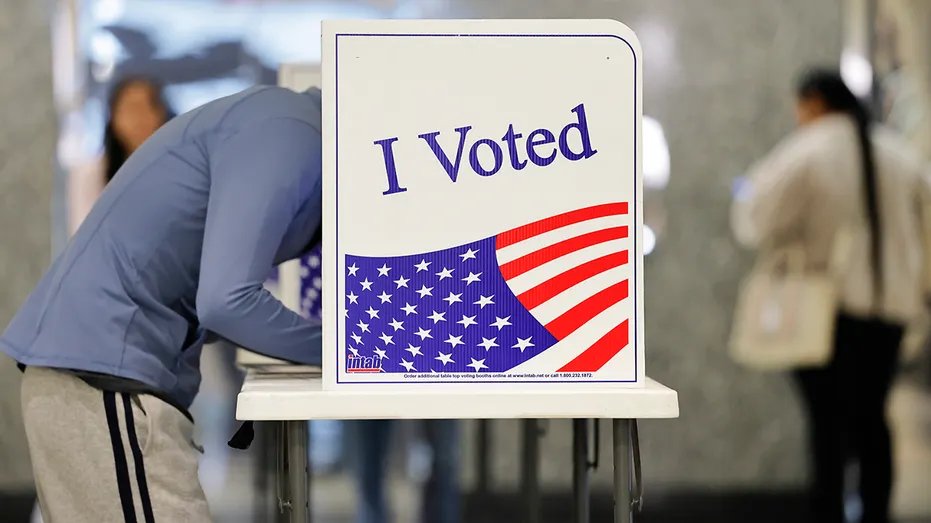
The widespread public concern over rising utility bills, partly linked to data center energy demands, had made the issue a prominent talking point during the midterm campaigns, contributing to the electoral success of candidates advocating for greater oversight.
Whether the regulatory pressure materializes into concrete policy remains an open question as the new Congress convenes.