AI Data Centers Get Rejected in 41 Local Races Across 10 States
Governors in Ohio, Texas, and Georgia adopt stricter data center rules

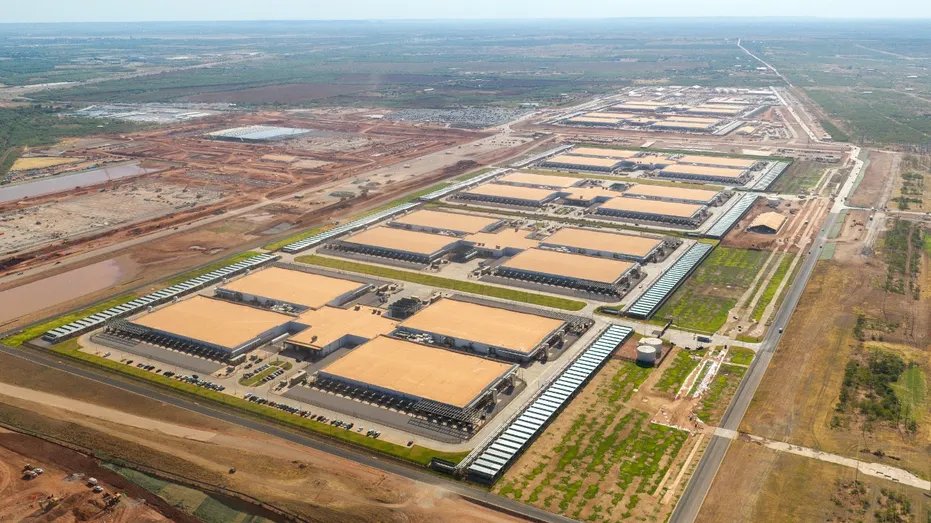
In all but one of 41 local ballot measures this election cycle, voters turned down proposals to expand data center development or backed restrictions on new facilities, according to analyses of results from at least 10 states. The outcomes mark a shift in how communities are weighing artificial intelligence infrastructure against electricity costs, land use, and local control.
Ohio produced some of the sharpest results. Defiance voters approved a charter amendment prohibiting data centers using more than 25 megawatts of power, 64.73% to 35.27%. Pataskala passed a comparable amendment by 73.62%. Granville backed a preventive measure by 82.45% to 17.55%.
In Ashville, 81.61% voted to repeal a council resolution authorizing negotiations with EdgeConneX for two data centers and an associated natural gas plant on 195.4 acres. The Ohio Supreme Court had ordered the referendum onto the ballot after municipal officials initially tried to block it.
Sunbury, Grove City, Hubbard, Urbana, Upper Sandusky, Piqua, Conneaut, and Trenton all passed their own bans or consent requirements. Grove City adopted a Community Consent Amendment requiring a public referendum for industrial developments exceeding 20 megawatts or 500,000 gallons of water per day.
The backlash reached the governor’s mansion. Texas Democrat Gina Hinojosa defeated Governor Greg Abbott after campaigning for a moratorium on new data center projects and stronger protections for electricity ratepayers. Ohio Democrat Amy Acton won with a conditional moratorium that would require data centers to cover 100% of utility costs, use union labor, operate transparently, meet environmental standards, and be sited on brownfields or industrial land.
"Ohio is open for business, but we are not up for sale," Acton said. "If you do not meet these conditions, we do not want you in Ohio."
In Georgia, Governor-elect Keisha Lance Bottoms made developer accountability central to her campaign, calling for a pause on new construction to assess impacts on the electric grid, consumer costs, public health, and water supplies. She said she would sign an executive order imposing the pause, which could last six months or longer.
Polling reinforces the pattern. A Washington Post-ABC News-Ipsos survey found seven in 10 Americans, including a majority of Republicans, opposed new data center construction in their communities. An election-day poll showed 56% of voters treated AI and data centers as a major or crucial factor, ranking last among five issues surveyed.
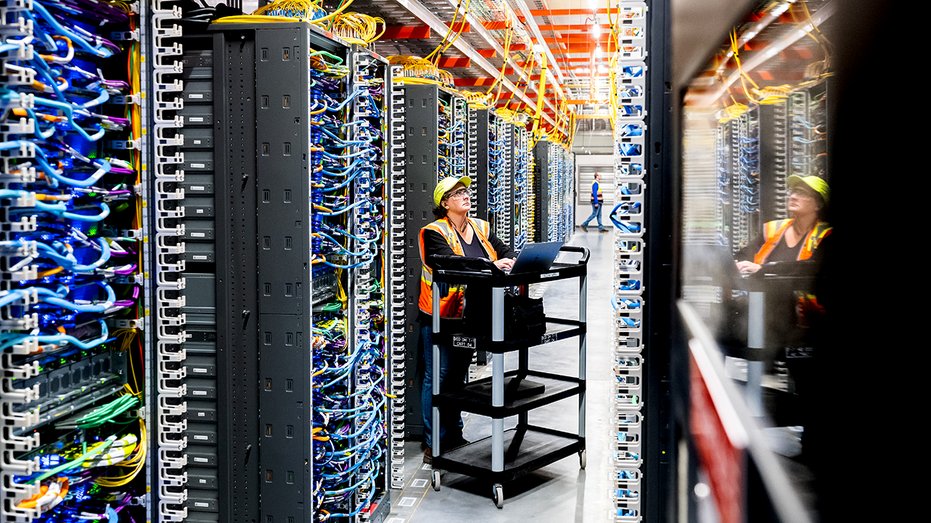
Critics point to utility strain as the driving concern. Hyperscale facilities can consume as much electricity as 100,000 homes, raising the prospect of higher rates for residents. Some data centers use millions of gallons of fresh water daily for cooling. Communities also worry about large tracts of agricultural land being converted and about secrecy, including non-disclosure agreements with public officials.
The economic promise remains contested. While construction creates temporary jobs, data centers employ relatively few workers long term, and evidence of broader local benefits can be thin.
Data centers are nonetheless expanding. More than 145 projects nationwide were delayed or canceled through early August, with public opposition cited as the primary cause. Dan Diorio of the Data Center Coalition countered that the sector generated jobs, tax revenue, and investment, with spending reaching $59.3 billion at a seasonally adjusted annual rate in May 2026.
Industry leaders are responding to the political pressure. On November 5, OpenAI published a "National Community Compact" and a "Compute Campus Policy Blueprint." For data centers it owns and operates, OpenAI pledged to pay the full cost of power and infrastructure, solicit community input, publish construction plans, and avoid non-disclosure agreements with officials. The blueprint also asked policymakers to extend similar safeguards across the industry. Chris Lehane, OpenAI’s Chief Global Affairs Officer, said the document had been in development since August, before election results were known.
The construction of AI hardware continues alongside the political pushback. On November 2, Marvell Technology agreed to acquire Lumentum in an all-stock deal worth about $115 billion, aiming to become a leader in AI connectivity through high-speed optical networking. The transaction is expected to close in the first half of 2028, subject to approvals. Separately, Google expanded voluntary exit offers to employees in Canada, France, Germany, Japan, and Switzerland in June as it seeks to control costs amid heavy AI spending.
One outlier broke the trend. In Harwood, North Dakota, roughly three-quarters of voters rejected proposed restrictions on industrial development.