Starkey Omega AI+ Hearing Aid Runs Four Neural Networks Simultaneously to Rival Consumer Earbuds
The new device processes audio through four simultaneous deep neural networks and introduces the industry's first AI-driven dual compressor, targeting a global hearing loss crisis projected to affect 2.5 billion people.
Hearing aids have crossed a technical threshold that consumer earbuds are still chasing. Starkey’s newly announced Omega AI+ processes sound through four deep neural networks operating simultaneously on a single chip, marking the first time a hearing device has parallelized machine learning tasks for distinct audio layers such as speech isolation and background noise suppression.
The Eden Prairie, Minnesota-based manufacturer unveiled the device Thursday as the direct successor to last year’s Omega AI. While the previous model introduced deep neural network directionality to the hearing aid market—making roughly 80 million automatic acoustic adjustments per hour—the new architecture fundamentally changes how those computations are handled. Rather than routing all audio through a single processing pipeline, the quad-network system divides the acoustic environment into separate streams, allowing each neural network to specialize in a specific auditory challenge before recombining the output.
This parallel processing powers what Starkey identifies as the industry’s first DNN dual compressor. Traditional digital hearing aids rely on wide dynamic range compression, which amplifies soft sounds while limiting loud ones. The persistent engineering compromise has been balancing speech intelligibility against natural sound quality; aggressive compression clarifies conversation but flattens music and environmental acoustics. The dual compressor uses artificial intelligence to continuously arbitrate between these competing demands without user intervention.


That automation extends to Edge Mode, an AI-driven enhancement previously requiring manual activation. Users can now leave the feature running continuously, eliminating the need to interact with physical buttons or smartphone applications during daily activities. Chief Hearing Health Officer Dave Fabry noted that patients increasingly expect computational power to operate subconsciously, particularly older demographics who may resist engaging directly with complex interfaces.
The push toward invisible, autonomous operation arrives as the global audiology market faces unprecedented scale. More than 1.57 billion people currently experience some degree of hearing loss, making it the third most prevalent chronic physical condition in the United States—roughly double the combined rates of diabetes and cancer. The World Health Organization projects that figure will surpass 2.5 billion within the next quarter-century, driven by aging populations and prolonged exposure to urban noise pollution.
Consumer electronics giants have responded by blurring the line between wireless earbuds and medical devices. Apple expanded over-the-counter hearing health features into its AirPods Pro lineup following the Food and Drug Administration’s 2022 ruling that allowed certain hearing aids to be sold directly to consumers without a medical exam. Starkey leadership views this mainstreaming as beneficial for reducing historical stigma, though significant hardware distinctions remain between consumer audio wearables and dedicated hearing instruments.
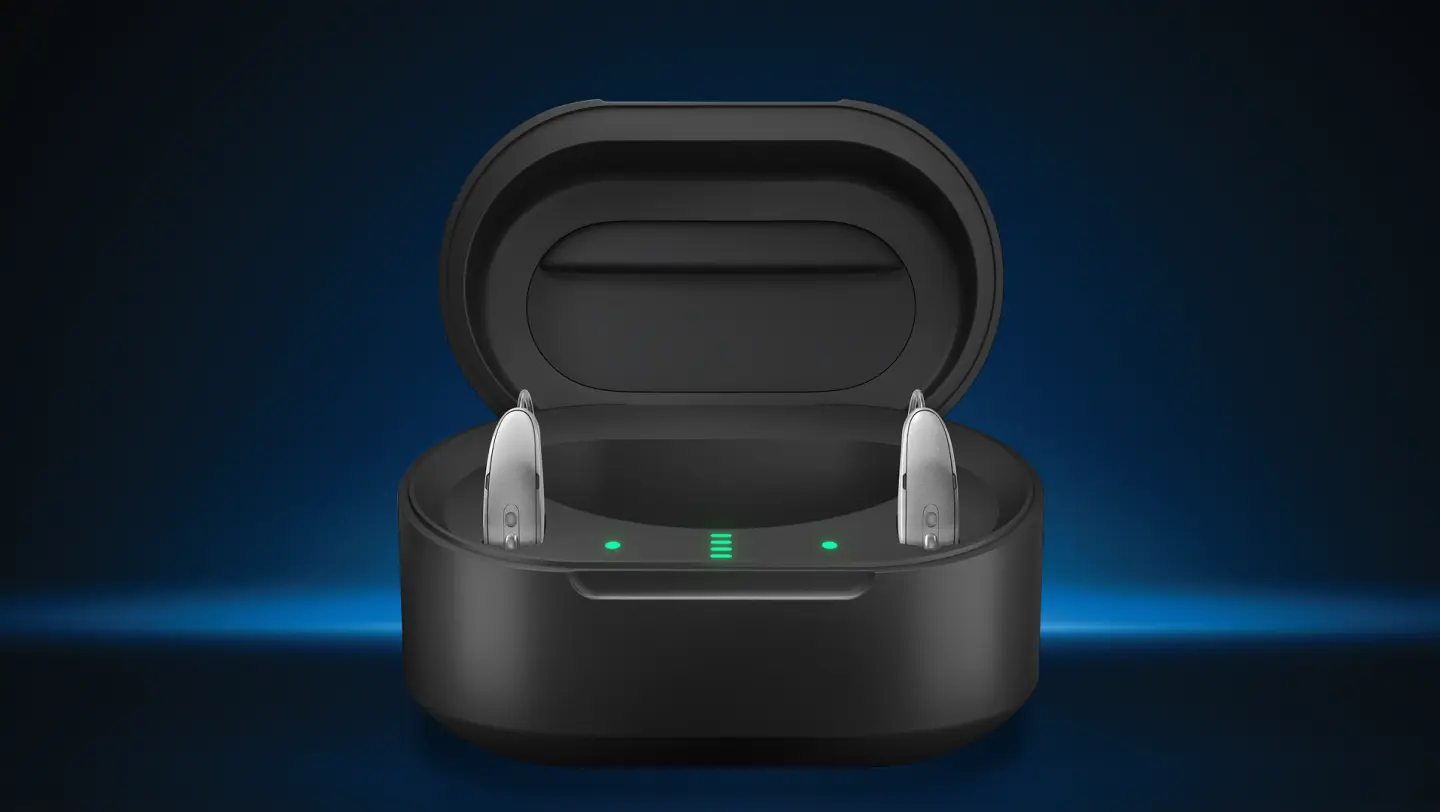
Battery endurance dictates clinical viability for severe hearing impairment. While premium true wireless earbuds typically deliver five to eight hours of continuous use before requiring a charging case, the Omega AI+ is engineered for 14-hour daily wear cycles, supported by an LED-indicated battery capacity reaching 51 hours. Form factor constraints also differ sharply; custom-molded hearing aids sit entirely within the ear canal, whereas even compact earbuds retain external stems or housings.
Beyond core amplification, the device integrates Auracast broadcast audio, a Bluetooth LE Audio standard enabling users to tap directly into public address systems in airports, theaters, and transit hubs. Starkey has also miniaturized its AI processing stack to fit inside its smallest custom shells, expanding advanced features to users who require nearly invisible fittings.
The hardware functions as a broader health telemetry node. Built-in sensors detect falls and automatically alert designated contacts, while diagnostic monitors notify users of earwax accumulation that could degrade acoustic performance. Remote telehealth capabilities allow audiologists to adjust prescription settings over broadband connections without requiring clinic visits.
Starkey operates alongside other major manufacturers such as Sonova, Demant, and WS Audiology in a sector rapidly consolidating around software-defined hardware. The company counts television investors Daymond John and Kevin O’Leary among its high-profile users, leveraging their public profiles to position clinical hearing instruments as productivity and connectivity tools rather than purely medical necessities.